Updated: May 6, 2026 · Originally published: May 6, 2026
Baliem briefing

Lake Sentani Cultural Side-Trip

Read this briefing.

See the 8-day trek →

Lake Sentani Cultural Side-Trip — Before Flying to Baliem

The Lake Sentani option

Most international travelers connect through Sentani (DJJ — the Jayapura airport on Lake Sentani) en route to Wamena. Lake Sentani has its own cultural significance — Asmat tribal communities, traditional bark-cloth painting, and the lake’s island villages. Adding a day or two at Lake Sentani before flying inland is a valuable cultural extension few travelers know about.

Why Lake Sentani matters culturally

Lake Sentani is one of the world’s largest tropical lakes (104 km²) and home to several Asmat-related coastal Papua tribes — the Sentani, Ormu, and Apawer peoples. Traditional bark-cloth painting (called bark-paintings or sebait) is an exceptional Sentani art form, with masters producing pieces that hang in international museums (Australia, Netherlands, US). The lake’s island villages provide accessible cultural depth that requires no trekking.

Where to stay at Lake Sentani

Suni Garden Lake Sentani Hotel ($80-120/night, the best mid-range option, lake views). Kalibobo Cottages ($60-90/night, traditional architecture). Several locally-owned guesthouses on lake islands ($25-50/night). We recommend Suni Garden for international visitors wanting Western-standard accommodations near the airport.

Day 1 Lake Sentani — bark-cloth painting

Visit Asei Pulau village on Asei Island (45 min by boat from Sentani). Master painters Pengantin Pum and Anton Ramatang work in their workshops there. Workshop visit is 2-3 hours — observe painting in progress, learn motif vocabulary, purchase pieces directly. Authentic bark-cloth paintings start at $200 for small pieces, $1,500-3,000 for large signed master works.

Day 2 Lake Sentani — island traditions

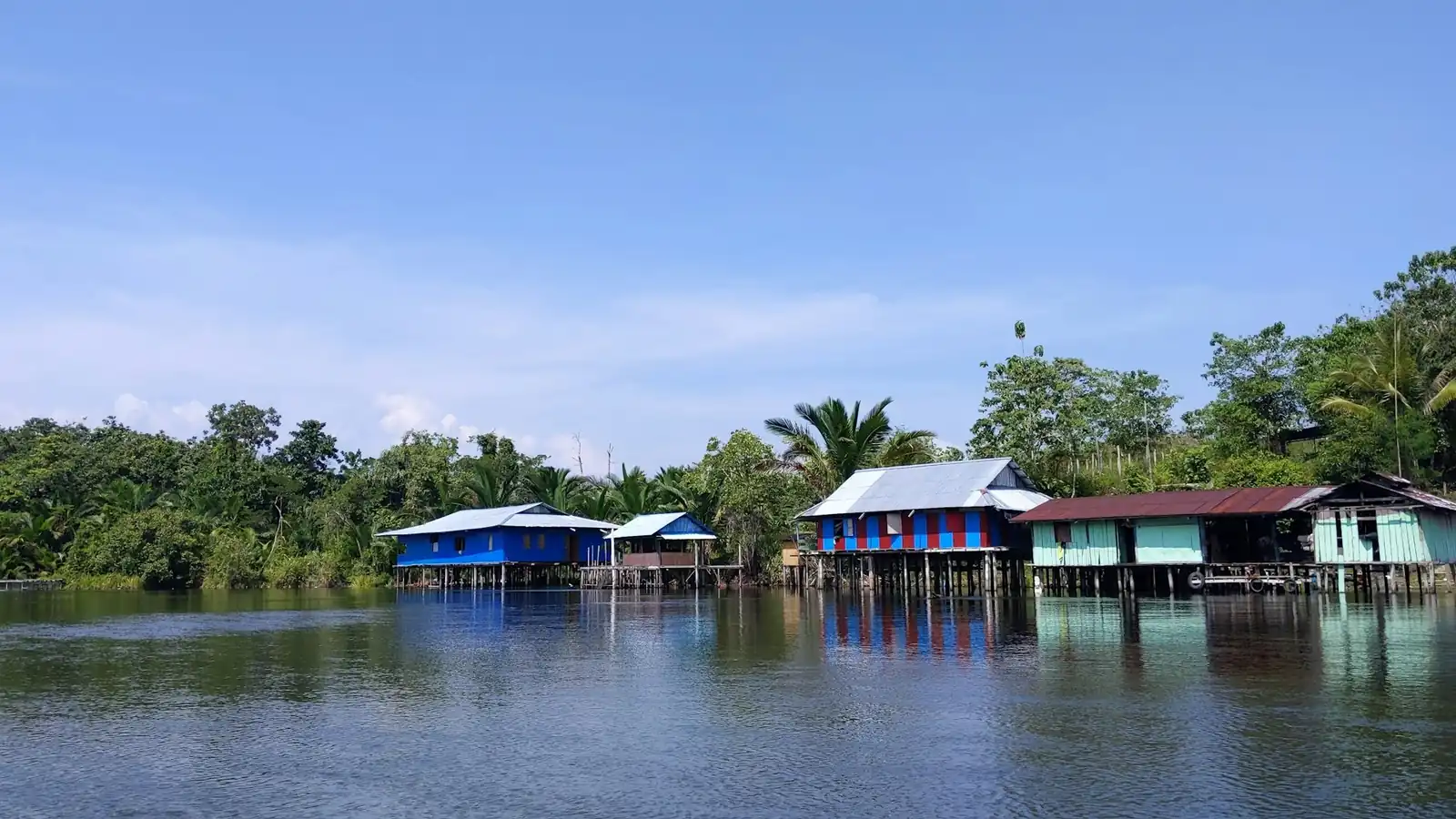
Visit Yoboi village (south side of the lake) for traditional Asmat-style architecture and family compounds. The wooden houses on stilts over the water are visually stunning. Combine with Khalkhote village for additional cultural depth — traditional canoe building, smoked fish preparations. Lunch at a local family compound.

Combining with the 8-day Baliem trek

Add 2 days before the trek: Day 1 arrival at Sentani, hotel check-in, Lake Sentani sunset boat. Day 2 Sentani cultural full day (Asei Island bark-cloth + Yoboi village). Day 3 fly to Wamena. Total 10-day program: $4,400-6,200 per person depending on tier. Recommended for cultural-focus travelers.

Cultural respect protocols

Same as Baliem — modest dress, photography permission, small gift offerings ($15-25 cash). Boat etiquette: do not stand suddenly, bring rain protection (lake weather changes quickly), respect the boat captain’s instructions. Payment for boat services: $30-60 per family for half-day excursions, includes captain and fuel.

More reading

For Baliem context, see Wikipedia’s Baliem Valley article. The Dani people article covers the cultural background. See our 8-day trek.

See the 8-day Baliem trek

Six guests max. April to October only.

Practical guide — Baliem Valley

Getting there

Wamena Airport (WMX), accessible only via Sentani (DJJ) Jayapura is the main gateway to Baliem Valley. Plan to arrive in Wamena (Baliem Valley’s main town, gateway airport) as your base. Most Western travelers connect via Jakarta or Bali; allow a full day for travel given internal Indonesian flight schedules. Direct international connections are limited — almost all visitors transit through Jakarta-Soekarno Hatta (CGK) or Denpasar-Bali (DPS) before continuing to the destination airport.

Best time to visit

April to October (dry season, best for trekking and tribal festivals). Average temperatures sit at 12-25°C (highland — significantly cooler than rest of Indonesia), with water temperatures Not relevant — Baliem is highland trekking, not coastal. The off-season runs November to March (rainy season, treks possible but muddy). We typically recommend booking 4-6 months ahead for prime-season travel; 2-3 months for shoulder-season departures. Festival calendars and local cultural events shift the optimal weeks each year, and we update our voyage calendar quarterly to reflect the current best windows.

Money, connectivity, and what to bring

Withdraw cash in Sentani (Jayapura) before flying to Wamena. Limited ATMs in Wamena.. Connectivity: Limited 4G in Wamena; no cellular in remote villages; satellite communication for emergencies. Currency is the Indonesian Rupiah (IDR). Voltage is 220V, plug type C/F. Time zone is WIT (UTC+9), no daylight savings adjustment. Pack light and modular — temperatures vary significantly between coastal and highland sites. Reusable water bottle, sun protection, modest dress for cultural visits, and good walking shoes are minimum requirements. Cash in small denominations works better than cards across most Baliem Valley establishments.

Visa and entry

Visa-on-arrival (30 days, $35) — note: some Papua areas require additional Surat Jalan permit, we handle this. Yellow fever vaccination is not required from US/EU origin countries. Travel insurance is mandatory for our voyages and must include relevant activity coverage (diving for marine destinations, evacuation for highland or remote routes). We provide a recommended insurance broker on request — most clients use World Nomads or DAN (Divers Alert Network).

Safety, language, and tipping

Generally safe but remote. Surat Jalan permit recommended. Travel with experienced guides. Local language: Indonesian + Dani, Lani, Yali highland languages. Our guides interpret on cultural visits. Tipping: Not mandatory. $30-50/day per group for porter and guide teams. Indonesian travel etiquette: remove shoes when entering homes, dress modestly at religious sites, and ask before photographing people in villages.

Activity certification level

Not relevant — Baliem is highland trekking and cultural, not diving. We assess each guest individually — the certification is a baseline, not a guarantee. Strong currents, depth, and surface intervals require comfort beyond the minimum certification level. Beginners are welcome on appropriate sites; we will not place guests on dives or treks above their experience level.

Cost expectations

Baliem Valley travel costs vary widely. Backpacker independent travel runs $50-90 per day. Mid-range guided tours run $200-400 per day per person. Premium small-group voyages and luxury programs run $500-1,000 per day per person. Total trip cost (including international flights, visas, voyage, insurance, and tips) typically lands at $7,000-13,000 per person for our flagship 7-12 day programs from a US/EU origin.

Why book through us

We are a small operator focused on a tight portfolio of Indonesian destinations. We do not run weekly mass tours. We operate fewer voyages each year, which lets us hand-select naturalists, historians, and divemasters as on-board interpretive guides — most are residents of the regions we visit. Group sizes are intentionally small (eight to twelve guests) so cultural visits remain immersive rather than performative. When we recommend a particular departure window, we are weighing six axes — sea conditions, festival overlap, dive visibility, accommodation availability, school holiday traffic, and historical-site access. Most operators optimize for one or two of these. We optimize for all six. Our pricing is transparent and inclusive — most of what your trip needs is already in the quoted price. We tell you up front what is not included rather than discovering it on day six.

Nearby Indonesian destinations to consider

Baliem Valley pairs well with extensions to other Indonesian regions. Bali (Denpasar) is the most common pre-trip stop for jet-lag recovery and gentle introduction to Indonesian travel rhythms. Komodo National Park (Labuan Bajo) suits travelers wanting reef-shark encounters and the iconic Padar Island viewpoint. Raja Ampat in West Papua is the global benchmark for biodiversity and pairs well with Banda for marine-focused trips. Lombok and Gili Trawangan offer beach-relaxation finishes. We coordinate seamless multi-region itineraries on request.