On this page
In 2027, Baliem Valley continues its evolution as a destination for culturally immersive experiences, with ongoing efforts to balance visitor engagement with the preservation of Dani, Yali, and Lani traditions. The valley’s inherent geographical and logistical challenges still define its visitor profile, emphasising sustainable and respectful engagement.
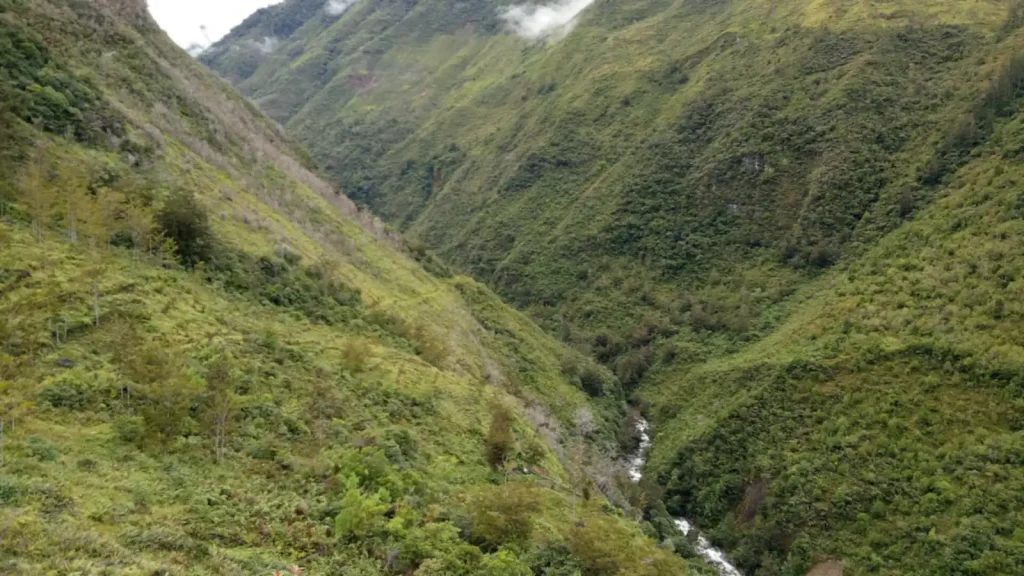
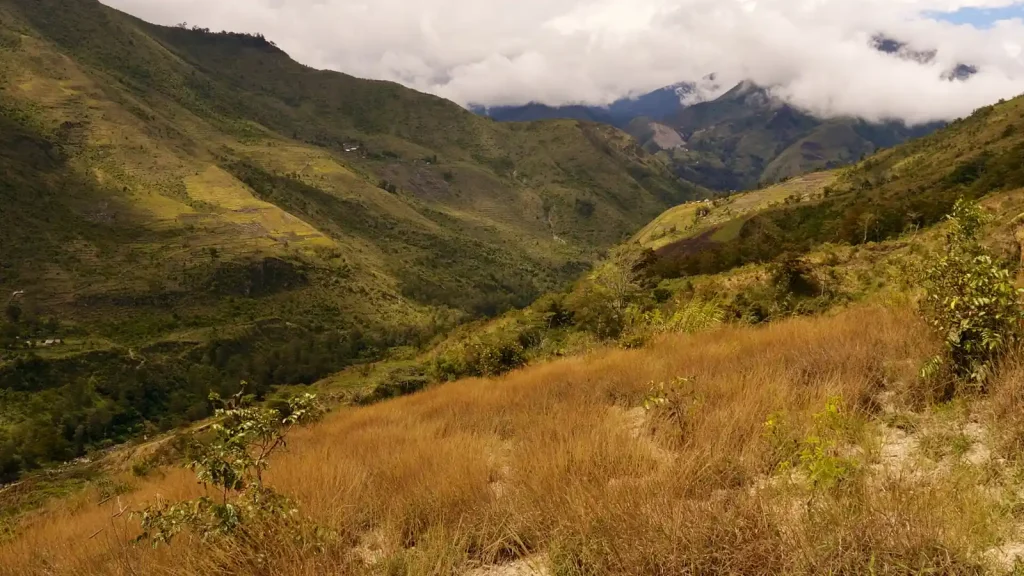
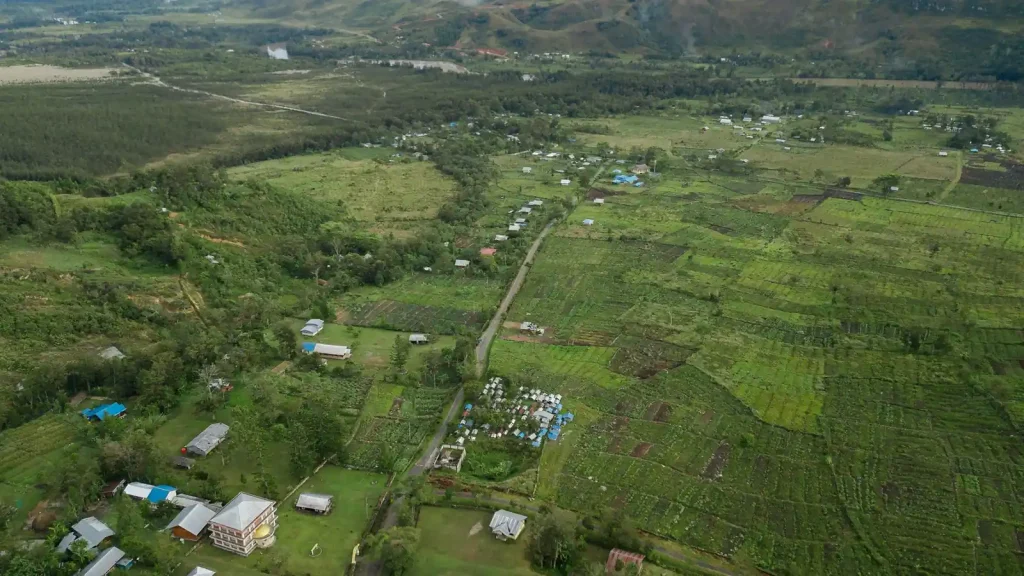
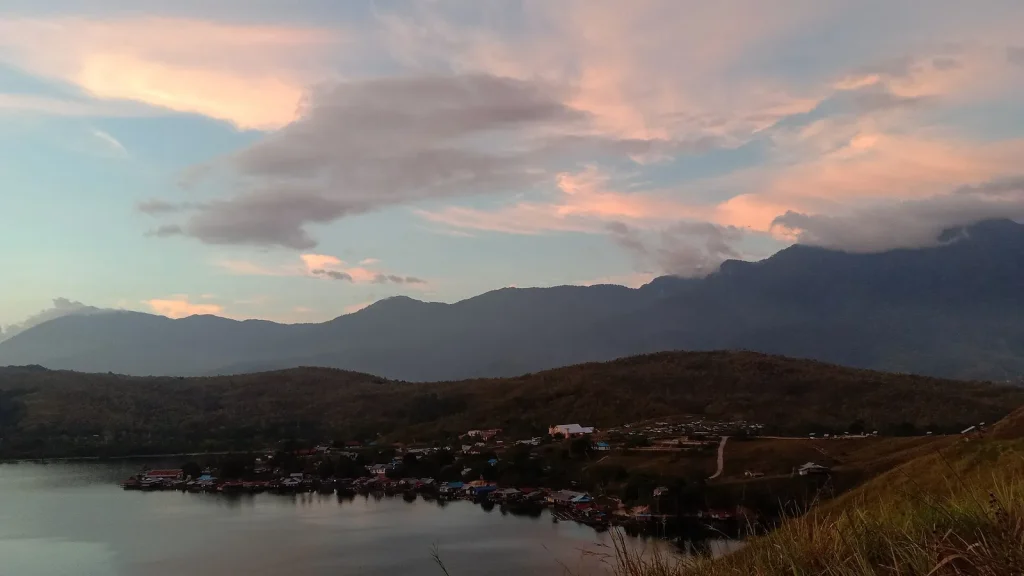
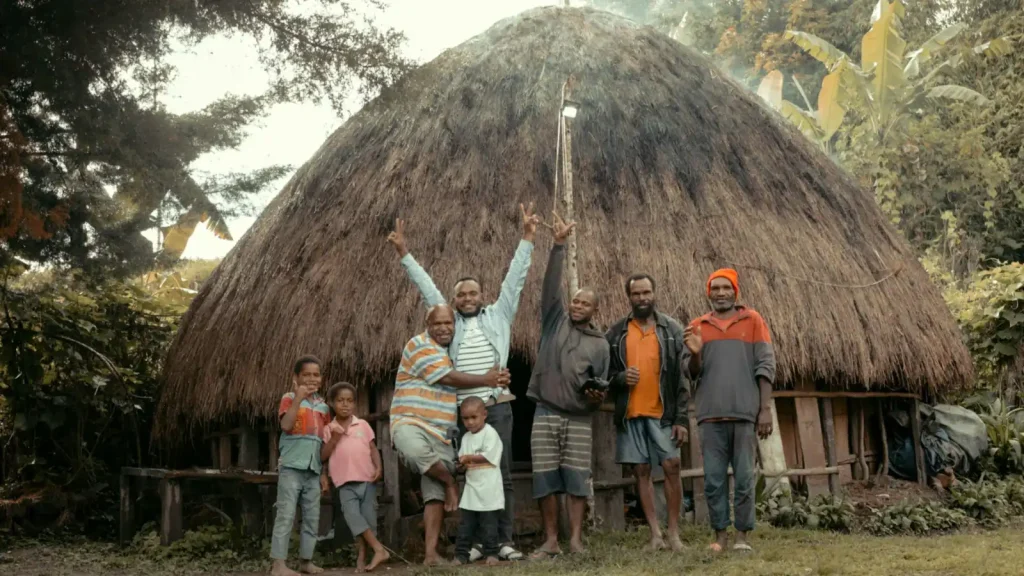
As we approach 2027, the Baliem Valley in Papua, Indonesia, remains a compelling destination for those seeking profound cultural immersion. This vast region, home to an estimated 100,000 to 400,000 Dani people and related sub-tribes like the Yali and Lani, continues to navigate the complexities of modern engagement while safeguarding its ancient heritage. The valley, stretching 70–80 km long and 15–20 km wide across 1,272 square kilometres, presents a unique tableau of traditional life set against a backdrop of stunning highlands. Situated at 1,600–1,700 meters above sea level, its mild daytime temperatures give way to cool nights, often dropping to 10–15°C, providing a distinct climate for visitors.
Accessibility in 2027: Still by Air Alone
Accessibility to Baliem Valley in 2027 is, as it has always been, exclusively by air. Wamena Airport (WMX) remains the sole aerial , with flights primarily originating from Jayapura (DJJ). Airlines such as WingsAir and TriganaAir continue to service this route, making air travel an intrinsic part of the Baliem Valley experience. This single point of entry ensures the region maintains a degree of isolation, contributing to the preservation of its cultural integrity but also dictating the logistics and cost of travel. The administrative and trading hub, Wamena, with a population fluctuating between 10,000 and 17,000, serves as the primary base for most visitors.
The Economic Realities: Prices and Logistical Challenges
The economic landscape of Baliem Valley, particularly Wamena, is heavily influenced by its remote location. Goods remain expensive due to the intricate supply chain: items are shipped to Jayapura, trucked to Sentani, and then flown into Wamena. This logistical complexity directly impacts local prices, a factor visitors must consider. For instance, a Baliem Valley Cultural Festival package in 2027 continues to reflect these costs, with similar offerings to the Rp 16.2 million (approximately $1,000 USD) per person observed in previous years, covering transport, accommodation, and guided cultural experiences. These packages aim to provide comprehensive access while accounting for the inherent operational expenses in such a unique destination.
Visitor Trends and the Future of Cultural Tourism
Understanding visitor trends is crucial for sustainable tourism development. Historically, foreign visitor numbers saw a significant increase from 758 in 1988 to 6,000 in 1995, before a decrease to 1,000 in 2002. More recently, events like the 2009 festival attracted around 400 foreign tourists, predominantly from Europe and Japan, making up 40% of the total attendees. For 2027, projections suggest a steady, controlled increase in discerning travellers who prioritise authentic cultural exchange and responsible tourism. The focus is shifting towards smaller, more impactful group visits that foster direct engagement with local communities and support indigenous enterprises. The imperative for visitors to understand and respect local customs is paramount, ensuring that the benefits of tourism are equitably distributed and the cultural fabric remains intact. For those managing international logistics, including personal effects for longer stays, understanding regulations is key; for example, bali customs clearance services offer valuable assistance for import and export needs in Indonesia, though specific to Bali, it highlights the general complexity of Indonesian customs.
The Annual Baliem Valley Festival: A 2027 Highlight
The annual Baliem Valley Festival, traditionally held in August (e.g., August 8–11 in 2011), remains the pinnacle event for cultural immersion. In 2027, this festival continues to be the best time for visitors to witness the vibrant traditions of the Dani, Yali, and Lani people. The festival provides a rare opportunity to observe mock tribal warfare, traditional dances, and ceremonies that have been preserved for centuries. Planning a visit during this period is highly recommended for those seeking the most profound cultural experience. The best travel season to avoid heavy rains generally spans from March to August, extending to September, aligning perfectly with the festival timing.
Sustainable Practices and Community Engagement
The discourse around tourism in Baliem Valley in 2027 increasingly centres on sustainability and direct community benefit. Initiatives are being explored to ensure that tourism revenue directly supports local Dani, Yali, and Lani communities, contributing to their infrastructure, education, and healthcare, while empowering them to be stewards of their own cultural heritage. This involves working closely with local guides, patronising community-run guesthouses, and purchasing authentic handicrafts directly from artisans. The goal is to create a tourism model that is respectful, economically viable for locals, and environmentally conscious.
Planning Your 2027 Baliem Valley Journey
A journey to Baliem Valley in 2027 requires careful planning and an open mind. Due to its remote nature and the distinct cultural practices, engagement with reputable local tour operators is advisable. These operators can facilitate permits, arrange internal flights and ground transportation, and provide experienced guides who understand the local customs and languages. Preparedness for basic accommodations and facilities is also important, as the focus here is on authentic experience rather than luxury. The rewards, however, are immeasurable: an encounter with one of the world’s most unique indigenous cultures, set amidst a landscape of extraordinary natural beauty.
Q&A: What is the best time of year to visit Baliem Valley in 2027?
The optimal period to visit Baliem Valley in 2027 is between March and August (or extending to September) to avoid the heavy rainy season. This timeframe also coincides with the annual Baliem Valley Festival, typically held in August, offering the most vibrant cultural experiences.
Q&A: How has accessibility to Baliem Valley changed by 2027?
By 2027, accessibility to Baliem Valley remains unchanged, with Wamena Airport (WMX) being the only entry point via plane. Flights continue to originate primarily from Jayapura (DJJ), serviced by airlines such as WingsAir and TriganaAir, reinforcing the region’s remote and culturally preserved status.