On this page
- 01The Evolving Permit Landscape for Baliem Valley in 2027
- 02Understanding Local Regulations and Customs
- 03Cultural Sensitivity During the Baliem Valley Festival
- 04Responsible Travel Practices and Environmental Considerations
- 05Supporting Local Economies and Ethical Engagement
- 06Future Outlook for Baliem Valley Tourism
In 2027, travel to Baliem Valley, home to 100,000 to 400,000 Dani people, necessitates careful adherence to Indonesian regulations, including obtaining a ‘Surat Jalan’ permit from local police in Wamena. Visitors must demonstrate cultural respect, particularly during the annual August festival, to ensure a positive impact on the region’s 1,272 square kilometer expanse.
The Evolving Permit Landscape for Baliem Valley in 2027
As Baliem Valley continues to attract intrepid travellers seeking authentic cultural experiences in 2027, understanding the prevailing permit requirements remains paramount. The region, accessible solely via Wamena Airport (WMX) from Jayapura (DJJ), has always operated under specific regulations designed to manage visitor impact and ensure local security. While the fundamental requirement for a ‘Surat Jalan’ (travel permit) from the local police in Wamena persists, the application process and necessary documentation have seen minor adjustments to streamline efficiency and enhance local oversight.
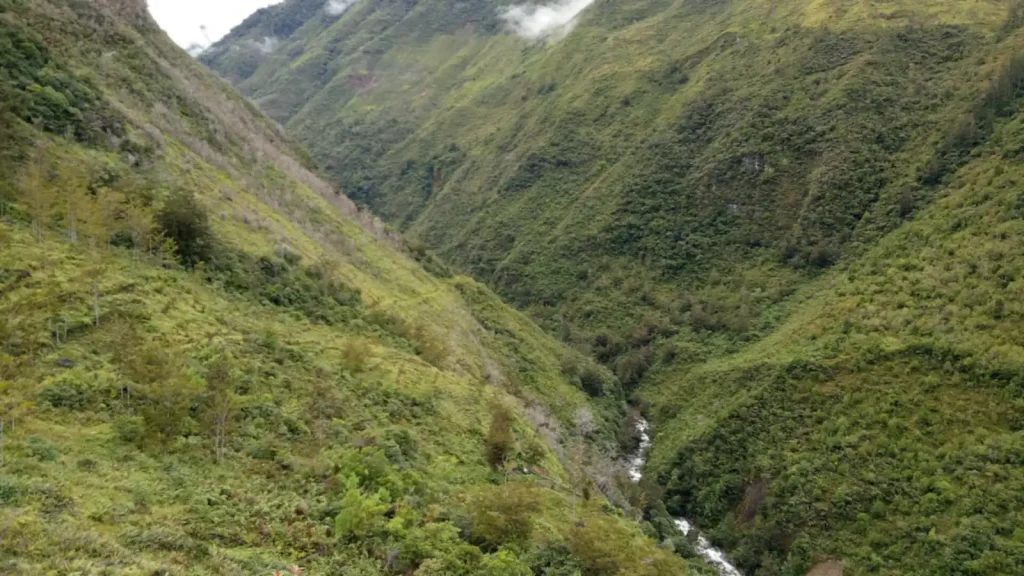
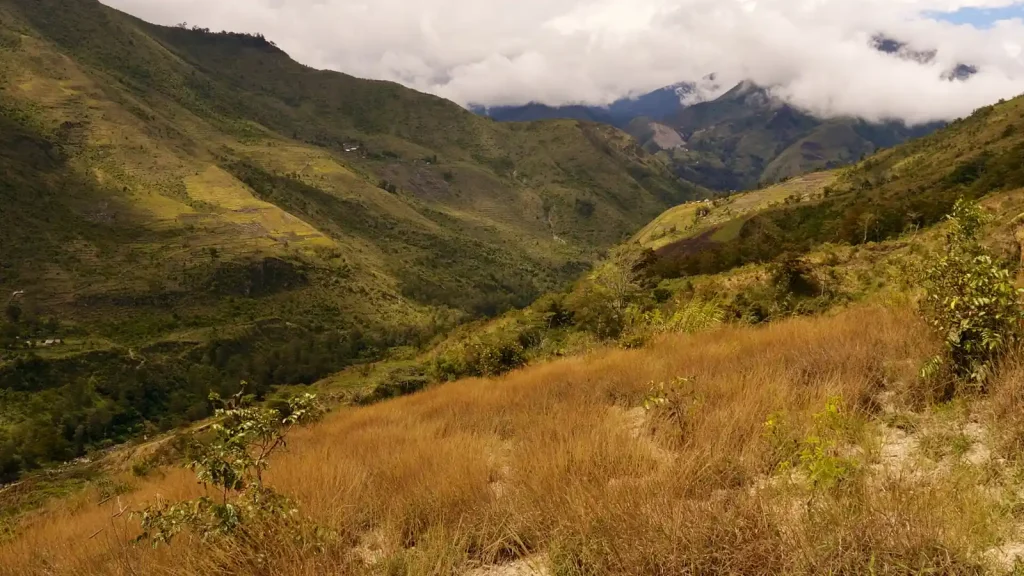
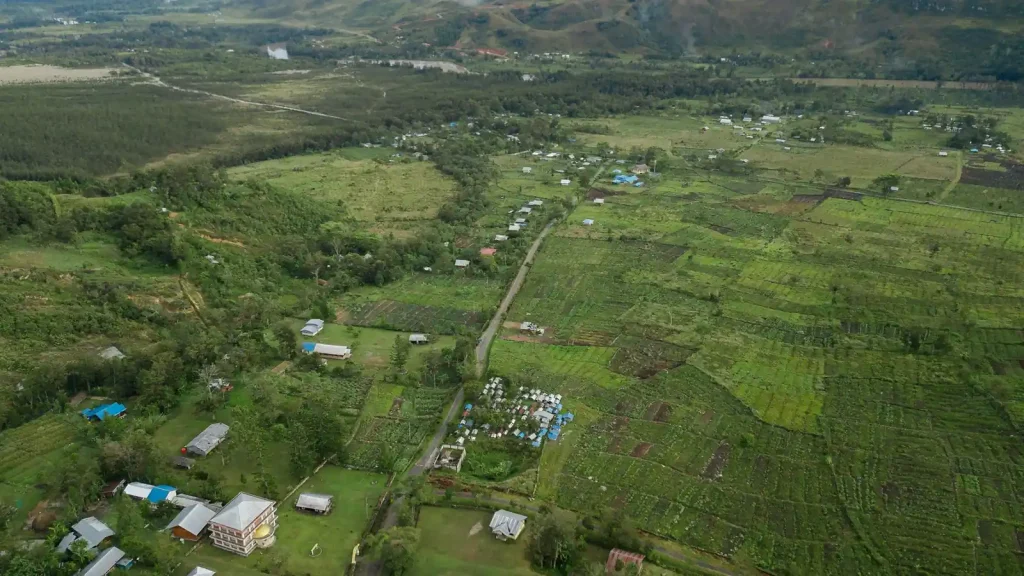
Travellers arriving in Wamena, the administrative hub with a population of 10,000–17,000, must present their passport, Indonesian visa, and a copy of their flight itinerary. It is advisable to allow at least one full working day for the permit’s processing, particularly if planning extensive treks into the more remote parts of the valley, which stretches 70–80 km long and 15–20 km wide. The permit specifies the intended travel route and duration, and deviating significantly from this without prior amendment can lead to complications. This structured approach helps authorities monitor visitor movements within this unique highland environment, situated at 1,600–1,700 meters above sea level.
Understanding Local Regulations and Customs
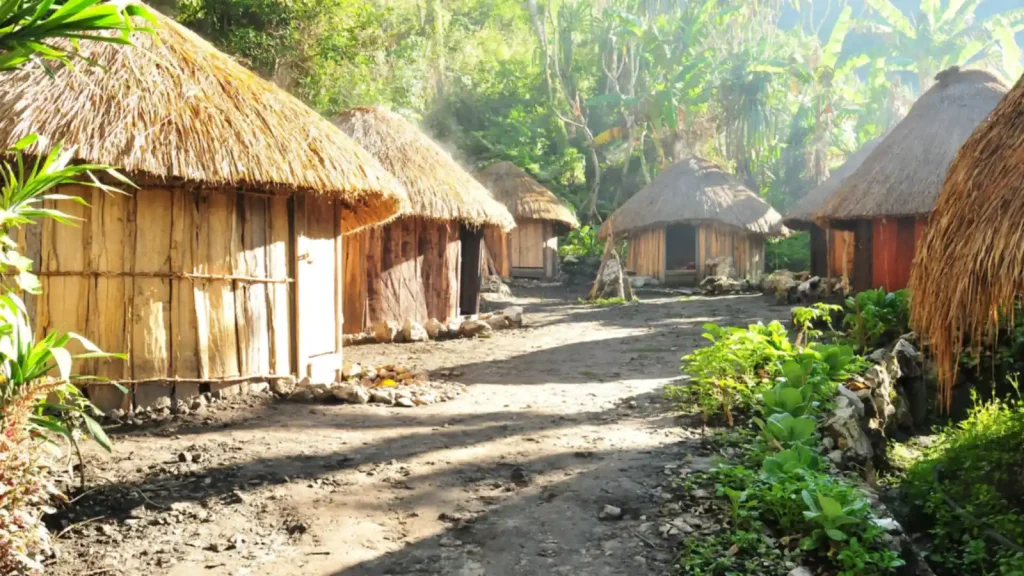
Beyond the formal permits, navigating Baliem Valley in 2027 demands a deep appreciation for local customs and regulations. The Dani people, alongside sub-tribes like the Yali and Lani, maintain rich traditions that are integral to their daily lives. Visitors are expected to dress modestly, particularly when visiting villages or attending ceremonies. Photography, while generally permitted, should always be conducted with explicit permission from individuals, especially elders or those participating in rituals. Offering a small gratuity (often tobacco or a symbolic amount of Rupiah) for photographs is a common practice and demonstrates respect.
Consumption of alcohol is generally frowned upon outside of designated establishments in Wamena, and its public display or consumption in rural areas is considered highly inappropriate. Bargaining for goods in local markets is customary, but always with good humour and respect. Given that goods in Wamena are inherently expensive due to the complex logistics – items are shipped to Jayapura, trucked to Sentani, and then flown in – travellers should be prepared for higher prices for basic necessities. Supporting local artisans and businesses, even at a premium, contributes directly to the community’s welfare.
Cultural Sensitivity During the Baliem Valley Festival
The annual Baliem Valley Festival, typically held in August, remains a major draw, attracting hundreds of foreign tourists, predominantly from Europe and Japan. In 2009, approximately 400 foreign visitors attended, representing 40% of the total attendance. For 2027, similar numbers are anticipated, and cultural sensitivity during this vibrant event is crucial. The festival is a celebration of Dani culture, featuring mock battles, traditional dances, and pig feasts. While it is a spectacle for outsiders, it is fundamentally a cultural expression for the local community.
Visitors should observe from designated areas and avoid disrupting performances or ceremonies. Engaging with locals respectfully, perhaps through a local guide who can facilitate introductions and explain nuances, greatly enhances the experience for both parties. Remember, this is not merely a show; it is a living tradition. The festival period, falling within the optimal travel season of March to August (or March to September) to avoid heavy rains, offers a profound insight into Dani life, but it requires visitors to be mindful and respectful guests.
Responsible Travel Practices and Environmental Considerations
Responsible travel in Baliem Valley in 2027 also extends to environmental considerations. The valley’s mild temperatures, dropping to 10–15°C at night, support a unique ecosystem. Visitors are encouraged to minimise their environmental footprint by carrying out all rubbish, using reusable water bottles, and avoiding single-use plastics where possible. Trekking routes, while well-trodden in some areas, can be fragile, and staying on marked paths helps preserve the natural landscape.
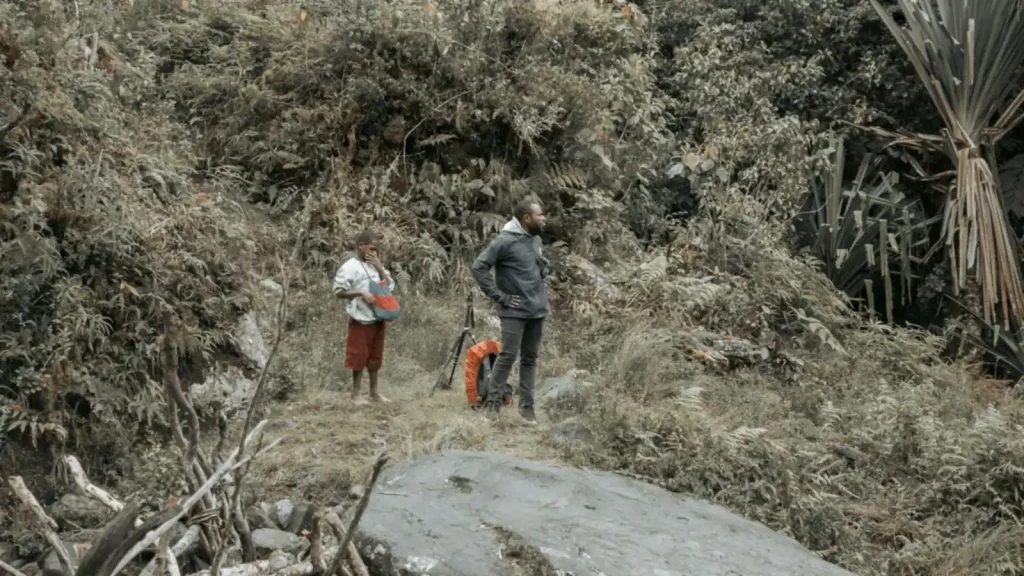
Engaging with local guides not only enriches the cultural experience but also provides economic opportunities for the community. These guides possess invaluable knowledge of the terrain, local customs, and safe travel practices. They are instrumental in bridging the cultural gap and ensuring a mutually beneficial interaction between visitors and locals. Furthermore, for those considering extended stays or bringing in specific equipment, understanding local import regulations, similar to navigating bali customs clearance, can prevent unforeseen delays or complications upon arrival in Wamena.
Supporting Local Economies and Ethical Engagement
Supporting local economies in Baliem Valley is vital for sustainable tourism. This goes beyond simply purchasing souvenirs. It involves choosing locally owned guesthouses, eating at local warungs (small restaurants), and hiring local porters for treks. While a Baliem Valley Cultural Festival package can cost up to Rp 16.2 million (approximately $1,000 USD) per person, understanding how these funds are distributed and opting for services that directly benefit the local population ensures a more ethical engagement.
- Always use licensed local guides.
- Purchase handicrafts directly from artisans.
- Bargain respectfully for goods and services.
- Support local eateries and accommodations.
- Avoid giving money directly to children; instead, donate to reputable community projects.
| Aspect | 2027 Regulation/Expectation |
|---|---|
| Surat Jalan Permit | Required from Wamena police; allow 1 day processing. |
| Cultural Photography | Always ask permission; offer small gratuity. |
| Alcohol Consumption | Discouraged publicly outside Wamena. |
| Environmental Impact | Minimise waste, stay on marked trails. |
| Economic Support | Prioritise local guides, guesthouses, artisans. |
Future Outlook for Baliem Valley Tourism
The future of tourism in Baliem Valley in 2027 appears poised for cautious growth. While foreign visitor numbers saw a significant increase from 758 (1988) to 6,000 (1995) before shrinking to 1,000 (2002) due to various factors, the consistent draw of the annual festival and the increasing global interest in authentic cultural experiences suggest a slow but steady resurgence. The optimal travel period between March and August remains crucial for a pleasant visit, avoiding the heavy rains that can impede travel and trekking.
The key to sustainable growth lies in balancing visitor access with the preservation of the Dani culture and environment. Continued engagement with local communities to develop tourism initiatives that are culturally appropriate and economically beneficial will be central to this effort. The focus will likely remain on low-impact, high-value experiential tourism, ensuring that the unique character of Baliem Valley endures for generations to come.
Q&A: What is the primary permit required for travel into Baliem Valley in 2027?
The primary permit required for travel into Baliem Valley in 2027 is the ‘Surat Jalan’. This travel permit must be obtained from the local police station in Wamena, the administrative centre of the valley. Visitors need to present their passport, Indonesian visa, and flight itinerary, and should allow at least one full working day for processing.
Q&A: What is the best time of year to visit Baliem Valley to avoid heavy rains and experience the cultural festival?
The best time of year to visit Baliem Valley to avoid heavy rains and experience the cultural festival is between March and August, or extending to September. The annual Baliem Valley Festival is typically held in August, making this month particularly appealing for cultural visits. This period offers milder weather conditions, making travel and trekking more comfortable in the valley’s 1,600–1,700 meter altitude.