Updated: May 2026
Baliem Valley Highlands Society Packing Guide
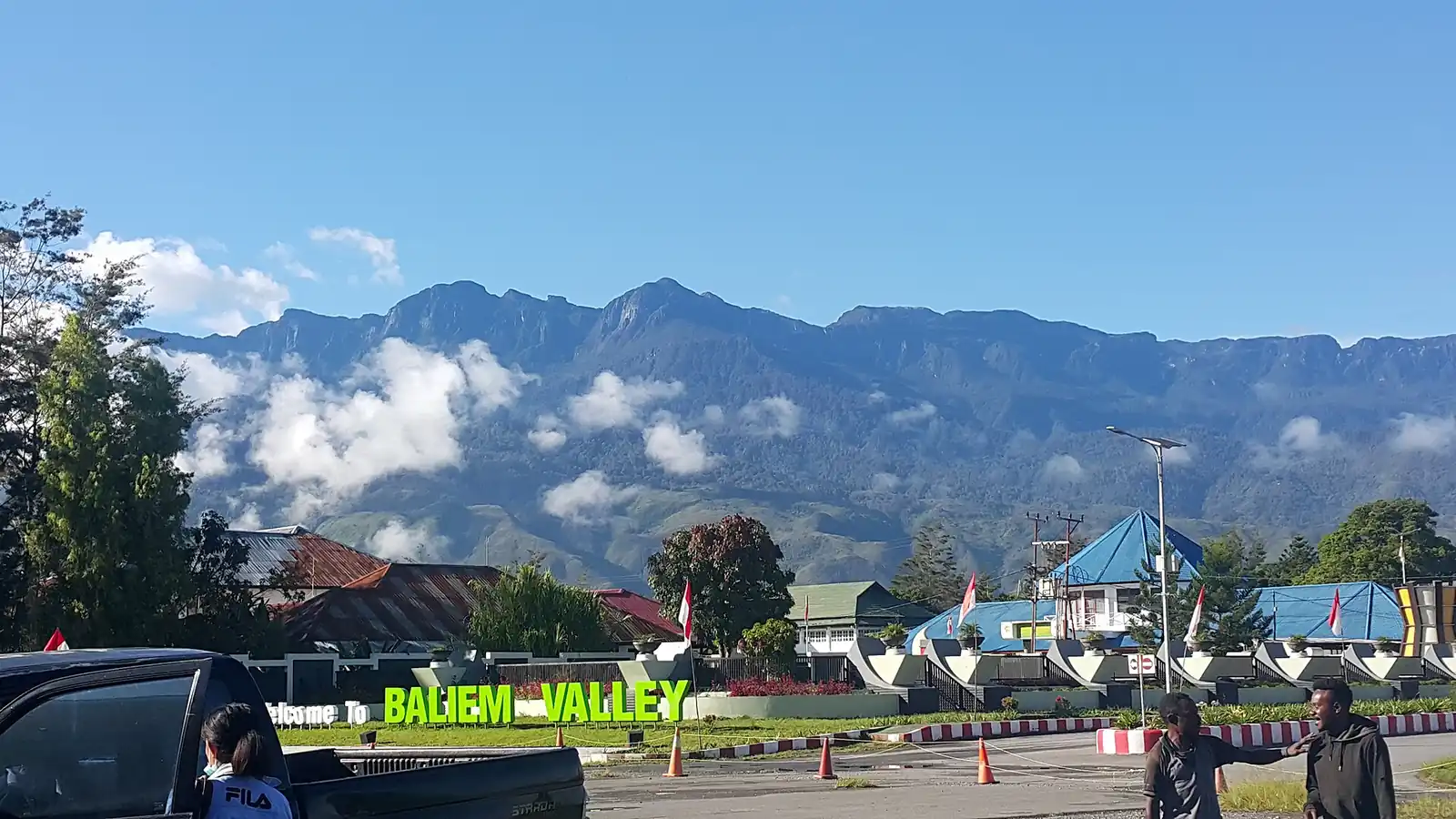
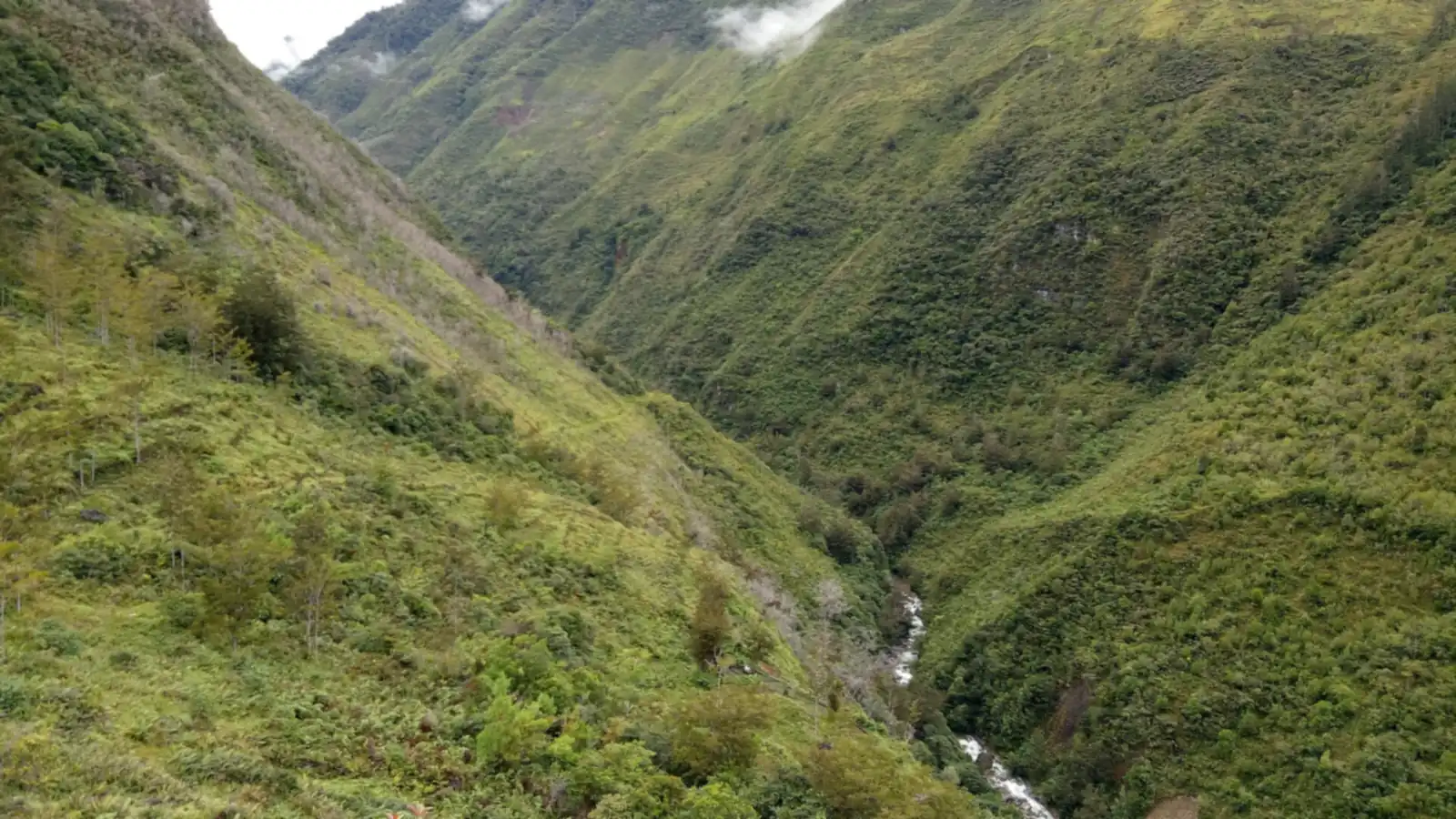
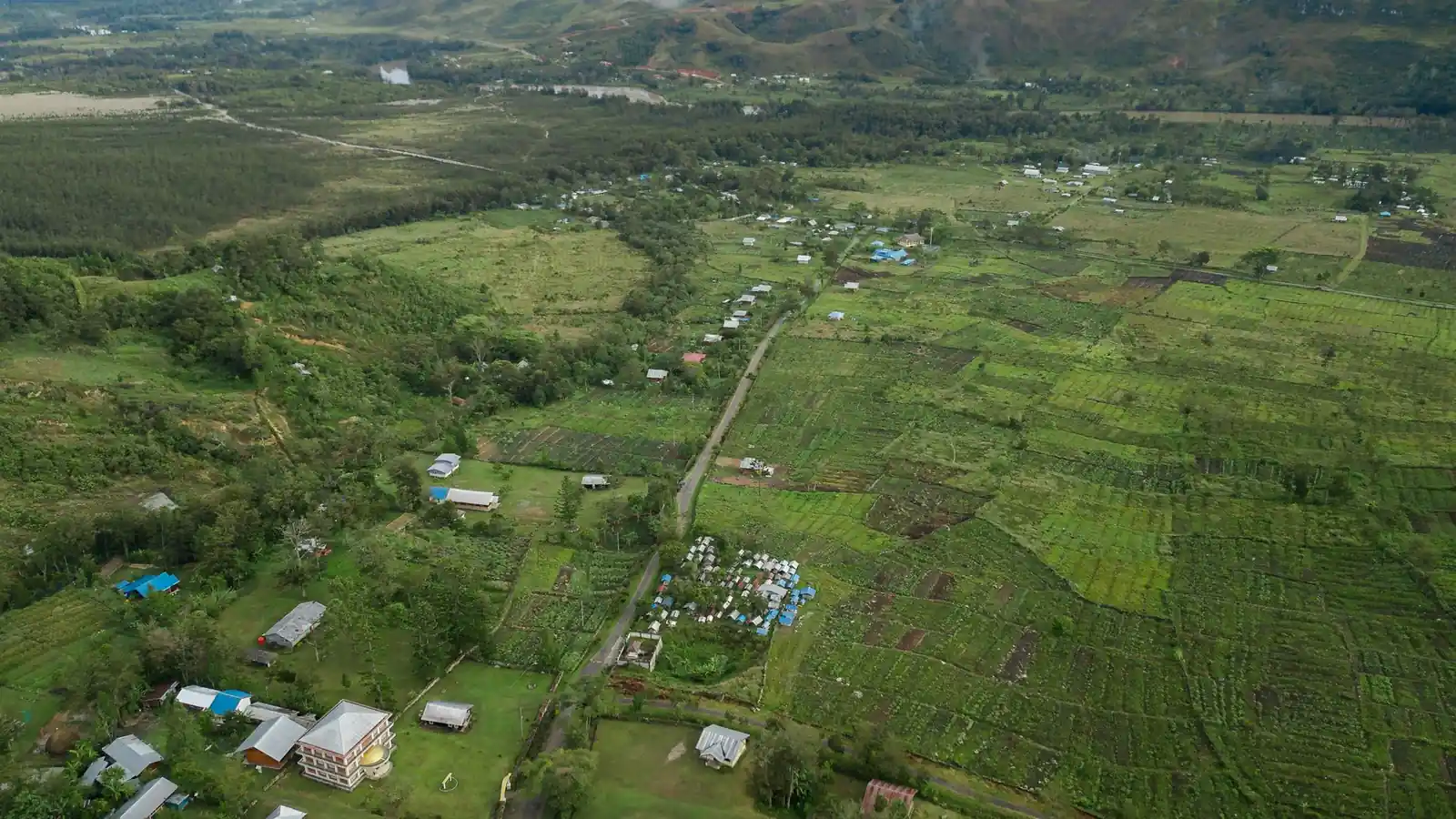
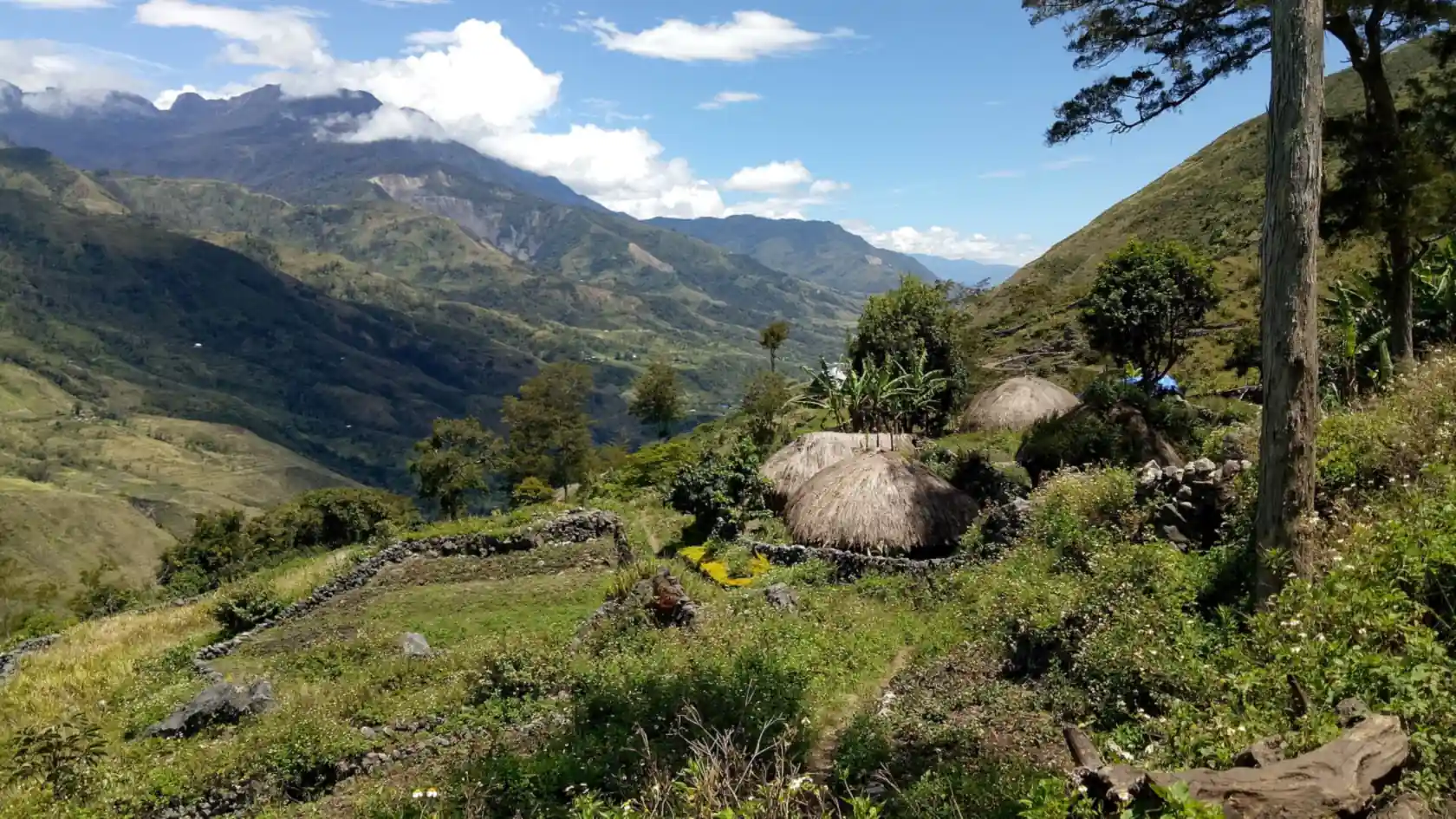
The Baliem Valley, a remote highland region in Indonesia’s Papua Province, offers an unparalleled journey into one of the world’s most distinct indigenous cultures. Located at elevations typically between 1,600 and 2,000 meters, this valley is a mosaic of emerald terraced fields, ancient traditions, and mist-shrouded peaks. Proper packing ensures comfort, safety, and cultural respect amidst its unique climate and social landscape.
- Prepare for significant diurnal temperature swings and unpredictable highland weather.
- Prioritize modest, durable, and quick-drying layers suitable for trekking and village visits.
- Embrace cultural sensitivity through respectful attire and thoughtful engagement with local communities.
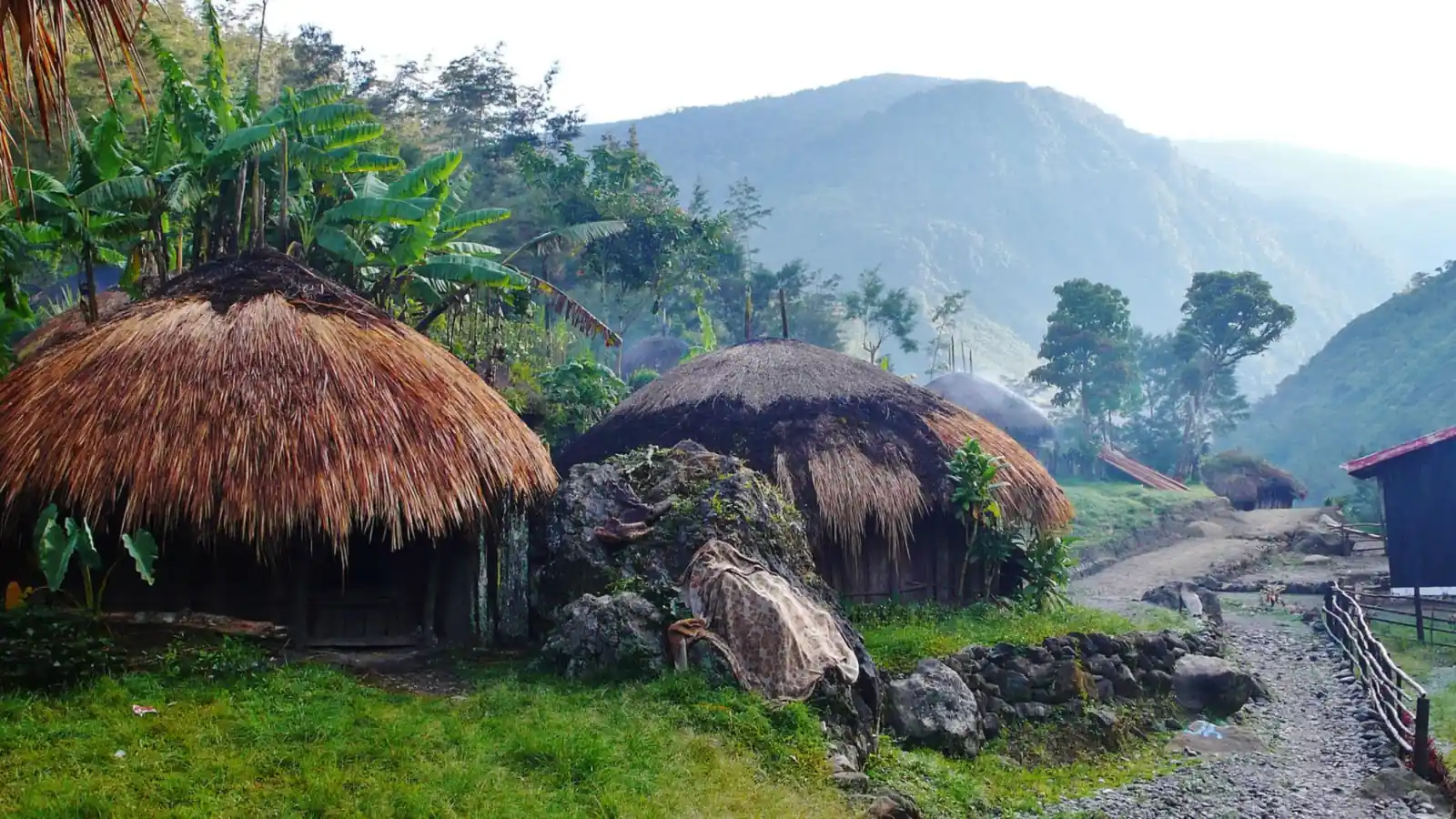
The cool, crisp air of the Baliem Valley awakens you. Outside your traditional honai-inspired lodge, the first tendrils of mist ascend from the valley floor, carrying the faint scent of woodsmoke and damp earth. Sunlight, still soft, begins to paint the surrounding peaks in hues of amber and gold. You hear the distant call of a bird, the murmur of the Baliem River, and the quiet rustle of leaves as the day begins. This is not a typical tropical escape; this is an immersion into a land where time seems to slow, where the rhythm of life pulses with ancient traditions. Preparing for this journey demands a thoughtful approach, one that balances the practicalities of highland exploration with a profound respect for the local culture. Your packing choices become integral to the depth and comfort of your Baliem Valley experience.
Navigating the Highlands Climate: A Study in Contrasts
The climate of the Baliem Valley presents a fascinating dichotomy. While geographically located near the equator, its significant altitude, typically ranging from 1,600 to over 2,000 meters (5,250 to 6,560 feet) above sea level, dictates a temperate rather than purely tropical environment. Expect warm, sun-drenched days that invite exploration, often reaching pleasant temperatures of 20-25°C (68-77°F). However, as the sun dips below the horizon, the temperature plummets quite dramatically, frequently falling to 10-15°C (50-59°F), and occasionally even lower during the dry season. This diurnal shift, a temperature variance of up to 15 degrees Celsius, necessitates a strategic layering system.
Rainfall is a constant consideration. While the dry season, generally from June to September, sees less precipitation, afternoon showers can occur at any time of year. The annual rainfall averages around 2,000 to 2,500 millimeters (78-98 inches), ensuring lush landscapes but also muddy trails. Humidity levels remain relatively high, often around 80-90%, even during drier periods, which influences the choice of quick-drying fabrics. The sun’s intensity at this altitude is also remarkable; UV index readings can frequently exceed 10, making sun protection non-negotiable. Understanding these climatic nuances is the first step towards curating an effective packing list for your Baliem Valley adventure. Consider the weight of your pack; even a few extra kilograms feel substantial after a 10-kilometer trek through varied terrain.
Seasonal Nuances: Adapting Your Layers
While the core packing philosophy for the Baliem Valley remains consistent year-round, subtle adjustments can enhance comfort depending on your travel dates. During the peak dry season (June-August), you might slightly reduce the bulk of your rain gear, perhaps opting for a lighter shell, but never eliminating it entirely. This period often offers clearer skies, ideal for photography, but also brings cooler nights. Conversely, the wet season (October-May) demands a more robust waterproof outer layer and perhaps an extra pair of quick-drying trousers. Regardless of the month, the daily temperature swings mean that a versatile combination of base, mid, and outer layers is paramount. Remember, the weather can change rapidly in the highlands, transitioning from bright sun to heavy rain within an hour, so preparedness is key for every 24-hour cycle.
The Art of Layering: Apparel Essentials for Exploration
Successful navigation of the Baliem Valley’s climate hinges on the principle of layering. Begin with a high-quality, moisture-wicking base layer. Merino wool or synthetic blends are ideal, as they manage perspiration effectively, keeping you dry and comfortable during exertion and preventing chills when resting. Brands like Smartwool or Icebreaker offer excellent options, with merino wool providing natural odor resistance, a significant advantage on multi-day treks. Next, a mid-layer for insulation is crucial. A lightweight fleece jacket (e.g., from Patagonia or The North Face) provides warmth without excessive bulk. For colder evenings, a compact, packable down or synthetic insulated jacket (like an Arc’teryx Atom LT) offers superior warmth-to-weight ratio. These can compress down to a mere 1.5 liters, saving valuable space.
The outermost layer must be a waterproof and windproof shell. Look for Gore-Tex or similar proprietary membrane technologies that offer both breathability and robust protection against the sudden highland downpours and persistent mists. A jacket with pit zips allows for ventilation during strenuous activity. For your lower body, durable, quick-drying trekking pants are essential. Convertible pants that zip off into shorts can be versatile, but full-length trousers are often preferred for sun protection and cultural modesty. Avoid cotton denim, which retains moisture and dries slowly. Opt for synthetic fabrics from brands like Fjällräven or Prana. Additionally, pack a wide-brimmed hat (SPF 50+ recommended) for sun protection, a warm beanie for cold evenings, and lightweight gloves to guard against chilly mornings. Each item should perform its function efficiently, contributing to a cohesive system that adapts to every nuance of the Baliem Valley’s environment.
Footwear for Varied Terrain: Stability and Comfort
Your feet will carry you across diverse landscapes – muddy trails, rocky paths, and village grounds. A pair of sturdy, waterproof trekking boots with good ankle support is non-negotiable. Brands like Lowa, Salomon, or Merrell offer models designed for challenging terrain, providing excellent grip and cushioning. Ensure they are well broken-in before your trip to prevent blisters. For evenings and relaxing around the lodge, a pair of comfortable, lightweight camp shoes or sandals (e.g., Chaco, Teva) will be a welcome relief for tired feet. Don’t forget several pairs of quality hiking socks, preferably merino wool blends, which help regulate temperature and reduce friction, preventing hotspots and blisters. Aim for at least 3-4 pairs for a week-long trip, allowing for changes.
Cultural Sensitivity & Respectful Attire in the Baliem Valley
Journeying into the Baliem Valley is not merely an adventure; it is a privilege to engage with the Dani, Lani, and Yali peoples, whose traditions remain vibrantly alive. Your attire plays a significant role in demonstrating respect and fostering positive interactions. Modesty is paramount. When visiting villages or attending ceremonies, ensure your shoulders and knees are covered. Long-sleeved shirts and trousers or long skirts are ideal. While the climate can be warm during the day, resist the urge to wear revealing clothing, even if you see some local men in traditional attire. This is a sign of respect for their customs, which differ significantly from Western norms. Approximately 95% of your interactions will benefit from this respectful approach.
Opt for neutral, earthy tones in your clothing. Bright, flashy colors or overly patterned garments can be distracting or perceived as ostentatious. Blending in subtly allows for a more authentic and less intrusive experience. Focus on practical, comfortable clothing that allows for ease of movement, as you may participate in impromptu dances or sit on the ground during discussions. Avoid wearing expensive or elaborate jewelry, which can draw unwanted attention or be culturally inappropriate. A simple wedding band or watch is generally acceptable. Remember that your presence in these remote communities is a unique exchange, and dressing thoughtfully is a fundamental way to honor their heritage and ensure your visit is welcomed. Your guide will provide specific advice on local etiquette, but a foundational understanding of modest dressing is always a strong starting point for any visit to Indonesia’s culturally rich regions.
Essential Gear for Exploration & Personal Comfort
Beyond clothing, a carefully curated selection of gear enhances both your safety and enjoyment in the Baliem Valley. A comfortable and well-fitting backpack is indispensable. For day treks, a 25-35 liter daypack is sufficient, while longer treks may require a 40-60 liter pack. Osprey or Deuter packs are renowned for their ergonomic designs and durability. Given the remote nature of the region, access to potable water can be limited. A personal water purification system – a filter bottle (e.g., Sawyer Squeeze) or purification tablets – is highly recommended. This allows you to safely refill from streams and minimize single-use plastic bottles, aligning with sustainable tourism practices. Carrying at least 2 liters of water capacity is wise for daily treks.
A reliable headlamp with extra batteries is crucial for navigating after dark, whether in your lodge or during early morning starts; power outages are not uncommon. A robust power bank (at least 10,000 mAh) is essential for charging phones, cameras, and other small electronics, as charging opportunities are infrequent. A comprehensive personal first-aid kit, tailored to your specific needs, should include blister treatment, pain relievers, anti-diarrhea medication, antiseptic wipes, and any prescription medications you require. Insect repellent with DEET or picaridin is vital, particularly in the evenings, to ward off mosquitoes and other biting insects, which are present but generally less numerous than coastal areas. High SPF sunscreen (50+) and lip balm with SPF are non-negotiable due to the intense highland sun. If bringing camera equipment, ensure it is protected from dust and moisture with waterproof bags or covers. Investing in quality gear ensures you are prepared for every eventuality, allowing you to focus on the unique experiences the Baliem Valley offers. Discover more about immersive experiences.
Health & Wellness Considerations: Proactive Protection
While the Baliem Valley is not typically a high-risk malaria zone due to its altitude, consulting your doctor about appropriate prophylaxis is always prudent for any visit to Papua. Altitude sickness is a possibility, though the valley’s typical elevation is moderate. Staying hydrated and pacing yourself during initial days helps acclimatization. Consider carrying a small supply of oral rehydration salts. Basic hand sanitizer is also useful for maintaining hygiene, especially before meals in remote settings. Prioritizing these health precautions ensures a more comfortable and worry-free exploration of this extraordinary region.
Recommended Brands for the Discerning Traveler
For the traveler accustomed to luxury and performance, selecting the right brands for your Baliem Valley expedition is key to comfort and reliability. Look for companies renowned for their commitment to quality, durability, and often, sustainability. For outer layers, Arc’teryx is a perennial favorite, known for its meticulously engineered waterproof shells and insulated jackets that perform flawlessly in challenging conditions. Patagonia offers a compelling blend of high-performance apparel, from fleece mid-layers to quick-dry trekking pants, coupled with a strong ethical and environmental ethos. Their commitment to repair and longevity aligns perfectly with responsible travel.
When it comes to base layers, Smartwool and Icebreaker dominate with their superior merino wool products, offering natural temperature regulation and odor resistance – crucial for multi-day treks. For robust and comfortable trekking boots, Lowa, Salomon, and Scarpa are top contenders, providing excellent ankle support and waterproof protection essential for the varied terrain of the Baliem Valley. Backpacks from Osprey and Deuter are consistently praised for their ergonomic designs, load-carrying comfort, and durability, ensuring your gear is transported efficiently. For water purification, Sawyer and Katadyn offer reliable, lightweight systems. These brands represent an investment in your comfort and safety, allowing you to fully immerse yourself in the profound cultural and natural beauty of the Baliem Valley without compromise. Choosing gear that can withstand the rigors of the highlands means fewer worries and more moments to savor the unique landscape and its people. Your journey to the Baliem Valley Highlands Society deserves nothing less than the best in preparation.
Local Contributions & Sustainable Choices
Your journey to the Baliem Valley transcends personal adventure; it offers an opportunity to engage meaningfully and sustainably with the local communities. While direct monetary handouts are generally discouraged as they can foster dependency, thoughtful contributions can be impactful. Small, practical gifts for hosts or children, such as pens, notebooks, or simple art supplies, are often appreciated. Always consult your local guide before distributing anything, as they possess invaluable insight into cultural norms and what is most appropriate. Supporting local artisans by purchasing handicrafts directly – intricate woven bags (noken), carved wooden figures, or traditional jewelry – injects money directly into the local economy and helps preserve traditional skills. A hand-carved piece of wood from a Dani elder carries more stories than any souvenir shop item.
Embrace sustainable practices throughout your trip. Minimize your waste by carrying a reusable water bottle and filtering your own water, significantly reducing plastic consumption. Pack out everything you pack in. Be mindful of your environmental footprint, adhering to designated trails and leaving no trace. Your presence, managed responsibly, can be a positive force, supporting the preservation of both the natural environment and the cultural heritage of the Baliem Valley. This conscious approach enhances your own experience while contributing to the well-being of the communities you encounter. Approximately 80% of the local economy relies on subsistence farming, so tourism, when managed ethically, provides a vital alternative income source.
Essential Documents & Finances: Prepared for the Remote
Before you depart, ensure all your essential documents are in order. Your passport must have at least six months’ validity beyond your intended departure date from Indonesia, and you will need a valid visa, if applicable (check current Indonesian visa regulations via official government channels). Keep photocopies or digital backups of all critical documents separately from the originals. For finances, while credit cards are accepted in larger Indonesian cities, they are largely irrelevant in the remote Baliem Valley. You will need a significant amount of Indonesian Rupiah (IDR) in cash for village fees, local purchases, and tipping. Bring a mix of denominations, including plenty of smaller bills, as change can be scarce. Budget approximately IDR 500,000 to 1,000,000 per day for incidental expenses and community contributions, depending on your activities. Access to ATMs is virtually nonexistent in Wamena, the gateway town, so plan to withdraw sufficient funds in Jayapura or your previous major city stop. A secure money belt or neck wallet is advisable for carrying your cash and documents safely. Explore more about the rich cultural heritage.
Your journey to the Baliem Valley is an invitation to step beyond the familiar, to engage with a world of profound cultural depth and untamed natural beauty. Thoughtful preparation, from the layers you choose to the respect you carry, transforms a trip into a truly transformative expedition. Pack wisely, travel consciously, and prepare to be captivated by the highlands. The unparalleled wonders of the Baliem Valley await.