On this page
- Private Air Charters: The majority of the cost is often allocated to chartering a private aircraft from Jayapura to Wamena, bypassing unreliable commercial options.
- Expert Guides & Support: Elite Papuan guides, cooks, and porters who navigate complex tribal relations command premium rates.
- Exclusive Cultural Access: Significant fees are required for authentic, private ceremonies like mock battles and pig feasts, which are central to the experience.
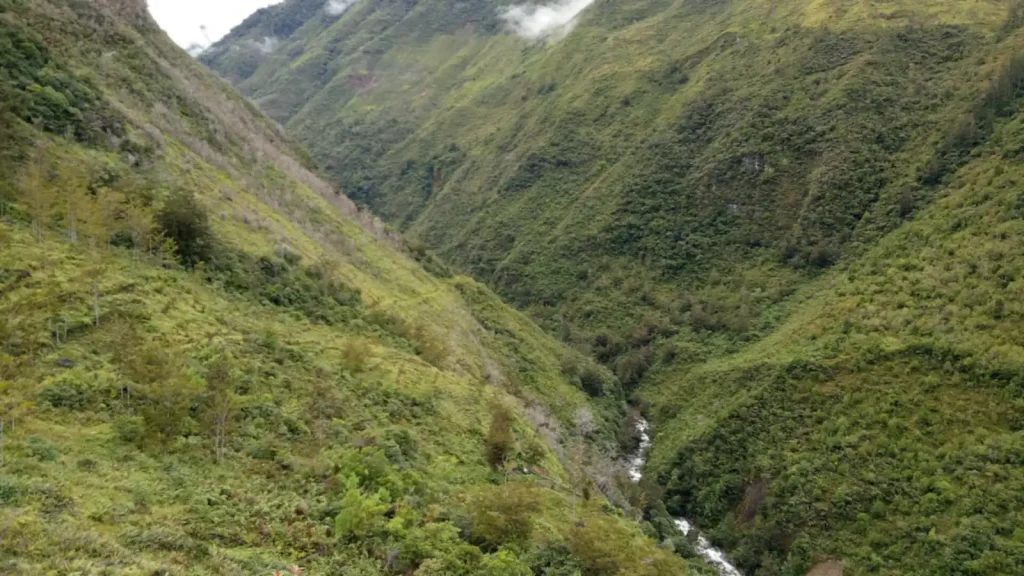
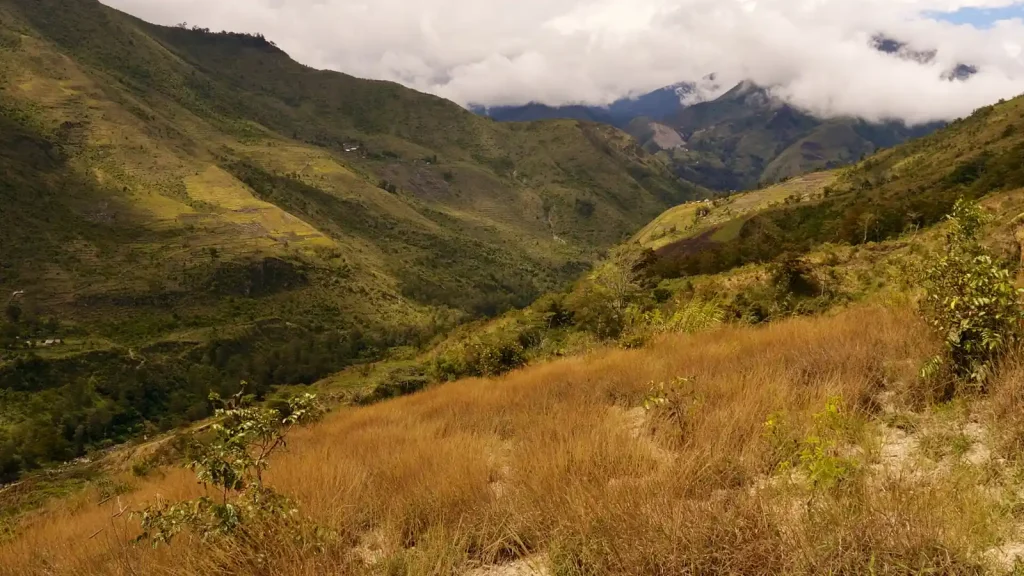
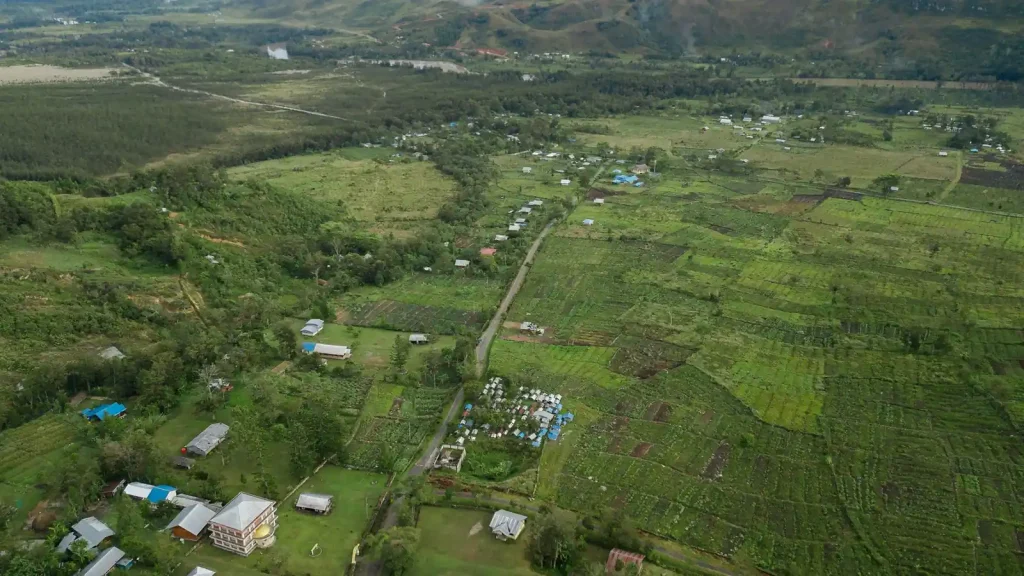
The air is thin and sharp at 1,600 meters, carrying the scent of woodsmoke and damp earth. From the window of a chartered Pilatus PC-6, the Baliem River appears as a silver serpent carving through an immense green canvas. This is not a landscape you simply arrive in; it is a world you enter, a remnant of the Stone Age accessible only to the determined. As we descend towards the airstrip in Wamena, the valley’s patchwork of sweet potato fields and circular thatch-roofed honai compounds comes into focus. The question isn’t just how one gets here, but what it truly costs to experience this place with the level of access, safety, and insight that defines modern luxury travel. The answer is complex, measured less in thread counts and more in the currency of logistics, relationships, and exclusive access. (See Dani people for context.)
Deconstructing the Price Tag: Beyond the Flight from Jakarta
Understanding the cost of a high-end expedition into the Bali Em Valley requires a fundamental shift in perspective. The typical metrics of luxury travel—five-star hotels, Michelin-starred dining—do not apply here. Instead, value is calculated in logistical seamlessness and privileged cultural immersion. The journey begins not in Wamena, but in Jakarta (CGK) or Bali (DPS), with a multi-hour flight to Jayapura (DJJ), the provincial capital of Papua. From there, the real investment begins. While commercial flights to Wamena (WMX) exist, operators like Trigana Air have a notoriously inconsistent schedule, with cancellations due to weather or mechanical issues being commonplace. For this reason, a private charter is non-negotiable for any serious luxury itinerary, a cost factor that can immediately add $8,000 to $10,000 to your budget. This is the first and most significant line item distinguishing a standard tour from a luxury one.
Beyond aviation, every single element in the valley carries a premium. All goods, from bottled water to fuel for the 4x4s, must be flown in, inflating their cost by as much as 300% compared to Java. Furthermore, navigating the region requires a Surat Jalan, a travel permit that must be secured and registered with the local police upon arrival. While the permit itself is inexpensive, the facilitation by a top-tier ground handler is part of the service you are paying for. According to our contacts at a leading Jakarta-based outfitter, a significant portion of any tour budget, nearly 40%, is dedicated purely to transportation and the movement of supplies. This is the foundational cost of operating in a place where the nearest major road is, for all practical purposes, an ocean away.
The Guide and Support Team: Your Cultural Interpreters
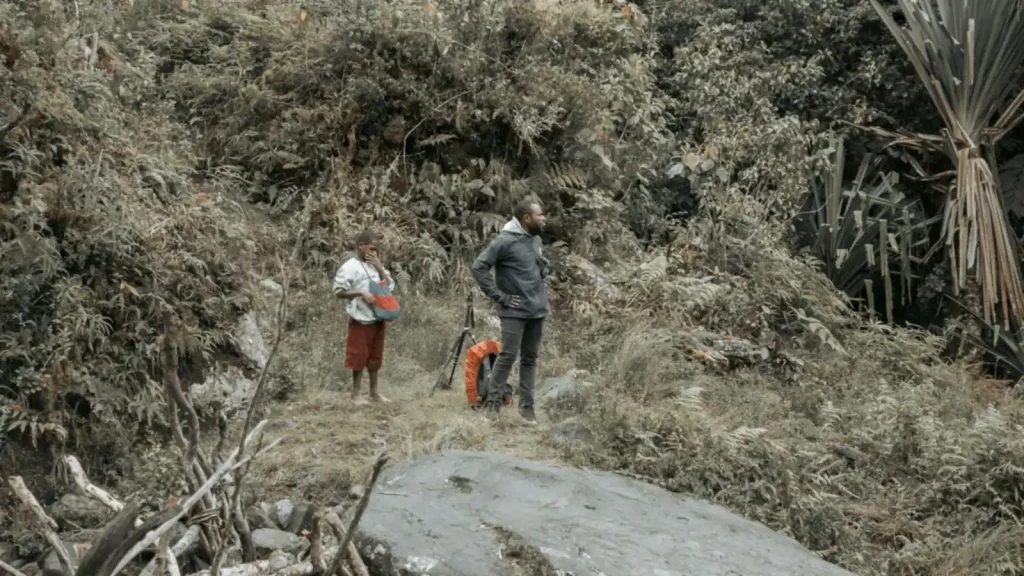
In the Baliem Valley, your guide is not merely a navigator; they are your translator, diplomat, security detail, and cultural conduit. The distinction between a standard guide and an elite one is profound, and it is here that a significant portion of a luxury budget is wisely spent. A top-tier Papuan guide, often from the Dani or Lani tribe themselves, possesses decades of relationships with village chiefs. They understand the intricate web of familial ties, ancient grievances, and ceremonial obligations. This is crucial. Access to a sacred mummy, permission to witness a private ceremony, or even the ability to safely trek through certain territories is granted based on the guide’s reputation and the respect he commands. These guides, who are often fluent in English and Bahasa Indonesia as well as several local dialects, can command fees of $200 to $300 per day—a figure that is more than justified.
A luxury baliem highlands tour also includes a full support team. This is not a solo-backpacker-with-a-guide scenario. For a traveling couple, the team typically includes a dedicated cook, a driver for the rugged and limited road network around Wamena, and several porters for any multi-day treks into the southern valley. The cook is essential, ensuring high standards of hygiene and preparing palatable meals from a mix of local and flown-in ingredients, a critical factor for maintaining health in a remote environment. Porters, often hired from the villages you pass through, not only carry gear but also serve as a form of economic diplomacy, ensuring your passage is welcomed. The total daily cost for this support team can easily reach $500-$700, a necessary expense for a journey that is both comfortable and culturally sensitive.
Accommodation: The Singular Comfort of the Baliem Valley Resort
Lodging options in and around Wamena are extremely limited, and this scarcity defines the premium for comfort. While the town of Wamena has a few basic hotels, such as the Baliem Pilamo, they fall far short of international standards. For the discerning traveler, there is effectively only one choice: The Baliem Valley Resort. Perched at an altitude of 1,900 meters with commanding views of the surrounding highlands, this German-managed property provides an oasis of order and cleanliness. The resort consists of approximately 15 traditional-style bungalows, each with private bathrooms offering hot water—a profound luxury in this part of the world. The entire operation is a logistical marvel, with a generator providing reliable electricity and a kitchen staff adept at creating surprisingly sophisticated European and Indonesian cuisine.
A stay at the resort is a significant investment, with nightly rates for a bungalow often exceeding $500, inclusive of all meals. This price reflects the immense operational cost of maintaining such a facility in near-total isolation. Everything, from the bed linens to the coffee beans, is part of a complex supply chain that terminates at the Wamena airstrip. The resort’s founder, Dr. Werner Weiglein, first established it in 1999, recognizing the need for a comfortable base from which to explore the region. Its existence single-handedly enables the possibility of a luxury baliem highlands tour. Without it, visitors would be limited to much more basic, and potentially less hygienic, local homestays. The resort is not just a place to sleep; it is the critical infrastructure that underpins the entire high-end tourism ecosystem in the valley.
Curated Experiences: The Price of Authenticity
The core of any journey into the Bali Em Valley lies in its cultural encounters. In a luxury context, these are not passive, public spectacles but private, pre-arranged events that require significant investment. The most iconic of these is the Dani mock battle and pig feast. Arranging this requires your guide to negotiate with a village chief weeks in advance. The cost, which can range from $1,500 to $3,000, covers several components. First is the purchase of a large pig, the ultimate symbol of wealth and social currency in the highlands. The pig is ceremonially slaughtered and cooked in an earth oven with hot stones, a process that takes hours. Second, the fee compensates the 30 to 50 warriors from the village who participate, donning their traditional attire of kotekas (penis gourds), boar tusks, and cassowary feather headdresses. This is not a performance for a crowd; it is a private, powerful re-enactment of tribal traditions for you and your party alone.
Beyond the mock battle, other experiences also carry a price. Visiting the famed 270-year-old smoked mummy of the Dugum clan in Jiwika, for example, requires a specific offering and fee to its guardian. A multi-day trek into Yali territory involves hiring local porters and paying “tolls” to each village you pass through. For travelers visiting in August, the public Baliem Valley Festival offers a concentrated dose of culture, but a luxury itinerary focuses on interactions far from the festival grounds. According to the historical record, these traditions have been practiced for centuries, and ensuring their respectful continuation means contributing directly and substantially to the communities that uphold them. This is the ethical and financial reality of authentic cultural tourism in Papua.
The Hidden Costs: Insurance, Contingency, and Cash
An often-overlooked component of a luxury tour’s cost is the robust contingency planning built into the price. The Baliem Valley is one of the most unpredictable travel destinations on Earth. A sudden cloudburst can close the Wamena airport for days, stranding travelers. Political situations can be fluid. A minor health issue can become serious without proper support. Therefore, a premium tour price includes a significant buffer for these eventualities. This means your operator has the resources to charter a helicopter for a medical evacuation, which can cost upwards of $20,000. It means they have alternative itineraries and the local connections to implement them at a moment’s notice. You are paying for a safety net woven from experience and financial readiness.
Comprehensive travel insurance with specific coverage for remote destinations and medical evacuation is mandatory, and policies can cost several hundred dollars. Furthermore, the entire valley operates on a cash economy. There are no ATMs that reliably accept foreign cards and credit cards are useless. Your tour operator handles all major payments, but this requires them to transport and manage huge sums of Indonesian Rupiah. For an 8-day tour for two people, the ground operator might be carrying the equivalent of $5,000-$7,000 in cash to pay for pigs, village fees, porters, and market purchases on the spot. This logistical and security challenge is factored into the overall price. The final invoice for your tour is not just a sum of its parts; it is a comprehensive fee for a meticulously managed, de-risked expedition into a formidable environment.
Quick FAQ
Is the Baliem Valley safe for luxury travel? With a premier operator, yes. Safety is ensured through deep local relationships and meticulous logistical planning, not overt security. The primary risks are related to aviation delays and health, which is why a top-tier tour includes contingency plans and access to medical evacuation services, a cost factored into the high-end price point. Political stability can fluctuate, but experienced guides are adept at navigating local dynamics.
What is the best time of year to visit? The driest and most accessible season is from March to August. The annual Baliem Valley Festival in August is a major draw, but this is also the most crowded and expensive period, with guide and accommodation costs increasing by up to 25%. For a more intimate experience, the shoulder months of May, June, and September offer an excellent balance of favorable weather and fewer visitors.
Can I use credit cards or withdraw money in Wamena? No. The highlands are a cash-only society. All transactions, from market souvenirs to ceremonial fees, are conducted in Indonesian Rupiah (IDR). A luxury tour operator will handle all planned expenses, but you should still bring a personal supply of cash. We advise clients to carry at least 10-15 million IDR ($600-$900 USD) for a week-long trip for incidentals and artisan purchases.
What level of physical fitness is required? This is highly customizable. A luxury tour can be tailored to your fitness level. It can be based around the Baliem Valley Resort with daily 4×4 excursions to nearby villages and markets, requiring minimal walking. Or, it can include strenuous multi-day treks into the Yali lands, involving 6-8 hours of hiking per day over challenging terrain. The cost remains high for either option, as the core logistical expenses are the same.
Ultimately, a luxury tour in the Baliem Valley is an investment in access, not opulence. The price purchases a seamless and profound encounter with one of the planet’s last intact megalithic cultures. It is the cost of chartering the plane that gets you there when others are grounded, of hiring the guide who can open doors to private ceremonies, and of staying in the one place that offers a clean bed and a hot meal after a day of exploration. The bali em valley is a world apart, and the price of admission is a reflection of its precious, untamed nature. To begin planning your own journey into this remarkable corner of the world, explore the curated expeditions offered by the Baliem Valley Highlands Society.
Updated July 4, 2026