On this page
- 01The Baliem Valley Cultural Festival: More Than a Spectacle
- 02Beyond the Festival Grounds: Authentic Encounters in Wamena
- 03The Art of the Trek: Navigating the Southern and Northern Circuits
- 04A Culinary Journey: From Pig Feasts to Highland Coffee
- 05Practicalities for the Discerning Traveler: Permits, Packing, and Protocols
- 06Quick FAQ for Your August Expedition
- Witness spectacular mock battles featuring hundreds of warriors from the Dani, Lani, and Yali peoples.
- Participate in traditional ceremonies, including the communal Barapen pig feast and Pikon music performances.
- Leverage the peak dry season for unparalleled trekking conditions into remote villages and landscapes.
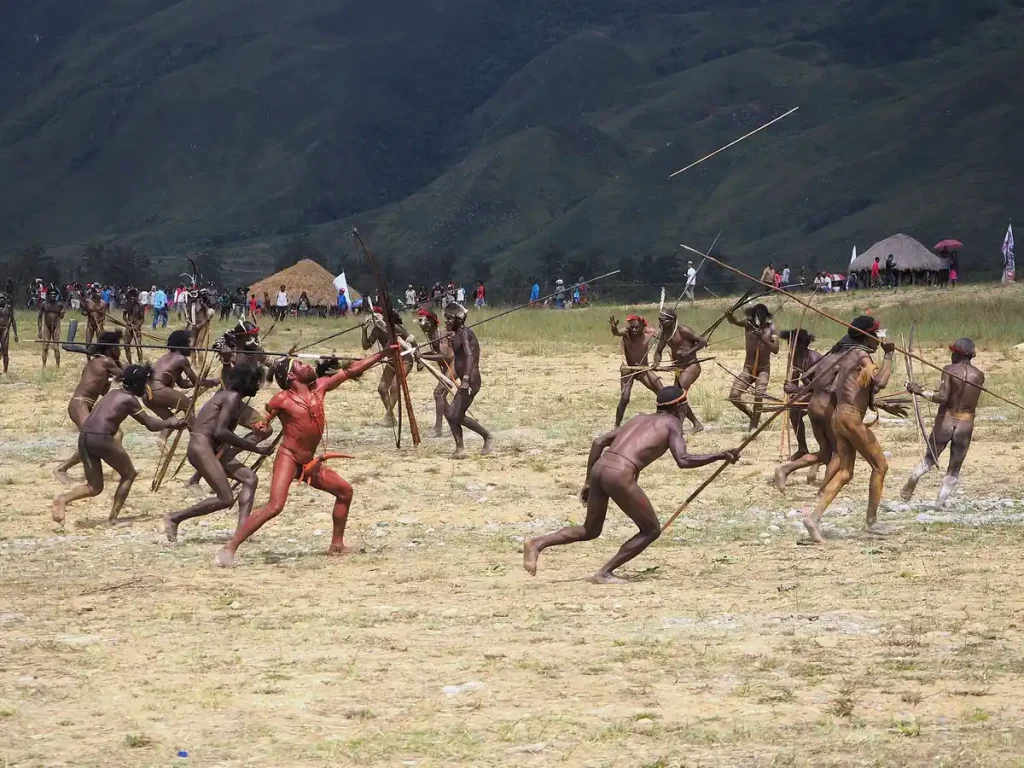
The air, thin at 1,600 meters, carries the scent of woodsmoke and damp earth. A low, rhythmic chant rises from the valley floor, a sound that feels older than the mountains themselves. Before you, a field transforms into a stage of living history. Hundreds of Dani, Lani, and Yali warriors, their bodies adorned with ochre clay, boar tusks, and the iridescent plumage of cassowaries, surge forward. This is not a reenactment. As you stand on the edge of the festival grounds in Wosilimo, you realize you are a witness to the vibrant, enduring pulse of Papuan culture, a world away from any itinerary you have ever known. (See Dani people for context.)
The Baliem Valley Cultural Festival: More Than a Spectacle
To understand the Baliem Valley Cultural Festival is to understand its purpose. Initiated by the government in 1989, it was designed as a means to preserve fading traditions and, crucially, to channel inter-tribal rivalries into a peaceful, celebratory context. For three days each August, typically around the 8th to the 10th of the month, the valley resonates with a powerful energy. The centerpiece is the mock battle, a breathtaking display of martial choreography where more than 500 warriors from up to 40 different tribal groups demonstrate their prowess. My contact in Wamena, veteran guide Pak Yoris, insists the most compelling moments happen before the main events. “Arrive by 8 a.m.,” he advised me on my last visit, “see the men applying their paint, the quiet preparations. That is where you feel the spirit.” The festival is not merely for outsiders; it is a vital annual gathering for the highland communities themselves. Beyond the thrilling spear-throwing contests and ambushes, you will hear the haunting, hypnotic notes of the Pikon, a traditional mouth instrument made from bamboo, and witness the intricate process of the Barapen pig feast. It’s an event that requires careful planning, as the entire region books out months in advance, a testament to its unique draw for those seeking genuine cultural encounters in the Baliem Valley.
Beyond the Festival Grounds: Authentic Encounters in Wamena
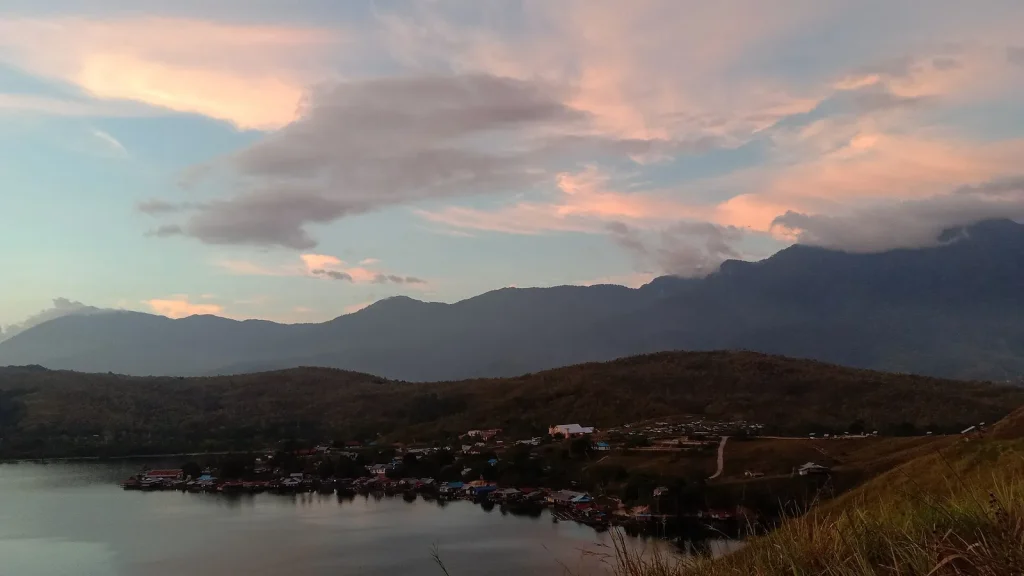
Wamena, a town of roughly 31,000 people, serves as the rugged, functional hub for any journey into the highlands. It is not a destination of polished comforts, but it is the essential gateway, accessible only by a 40-minute flight from Jayapura’s Sentani Airport (DJJ). The town itself offers a fascinating slice of highland life. A morning spent at Pasar Jibama, the main market, is an immersion in the local economy and culture. Here, you’ll see Dani women selling everything from enormous sweet potatoes (hipere), the absolute staple of the local diet, to vibrant produce and the famed Noken woven bags. These intricate, handmade bags are so culturally significant they are recognized on UNESCO’s list of Intangible Cultural Heritage. For accommodation, the Baliem Valley Resort, located about a 30-minute drive from the town’s chaotic center, remains the premier choice for discerning travelers, with bungalows offering panoramic views and rates starting around $250 per night. While simpler guesthouses exist in town, the resort provides a level of service and logistical support that is invaluable in this remote region. Wamena is the starting point, the place where you acclimatize and provision before the real work of exploring the Baliem Valley begins.
The Art of the Trek: Navigating the Southern and Northern Circuits
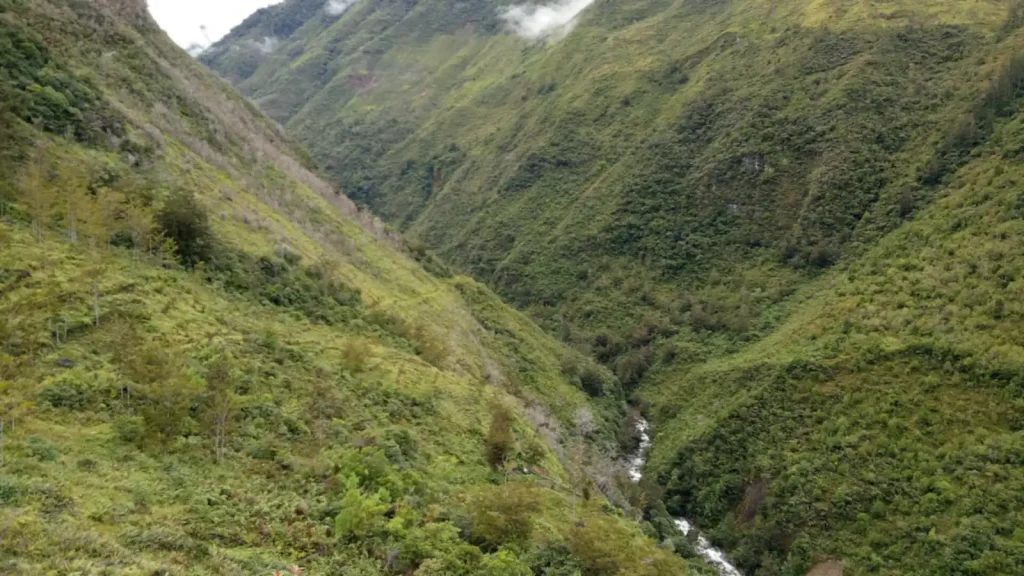
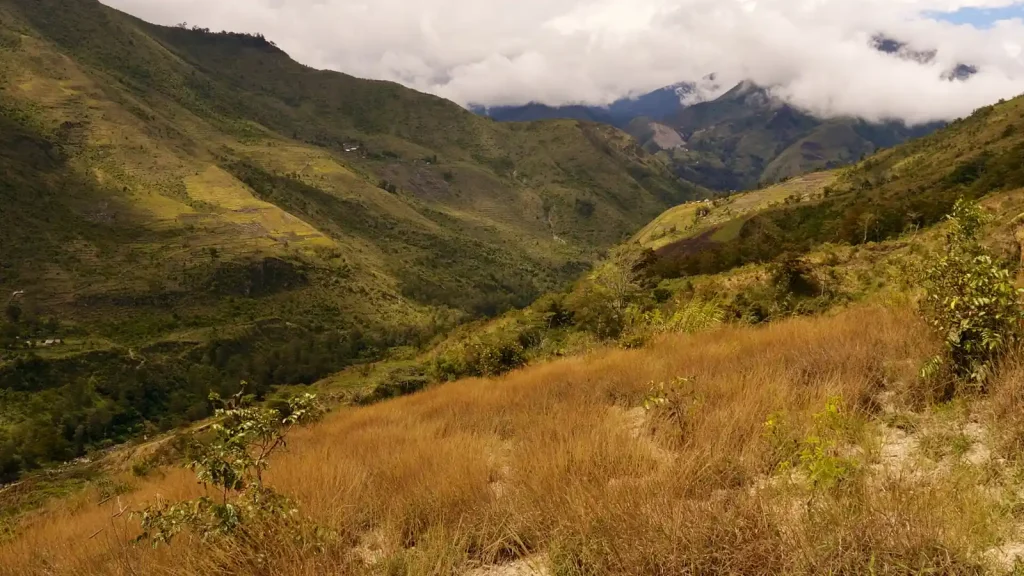
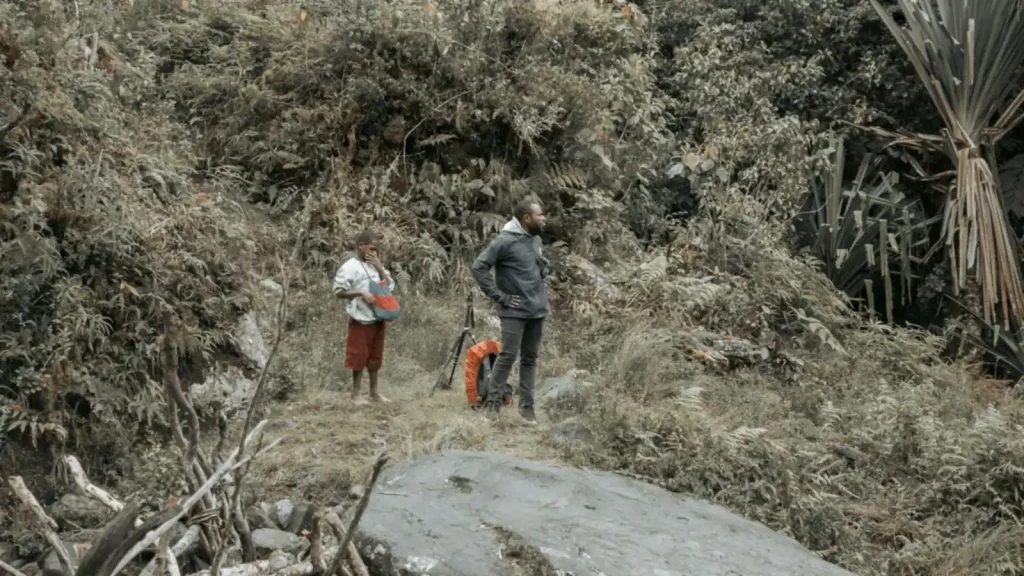
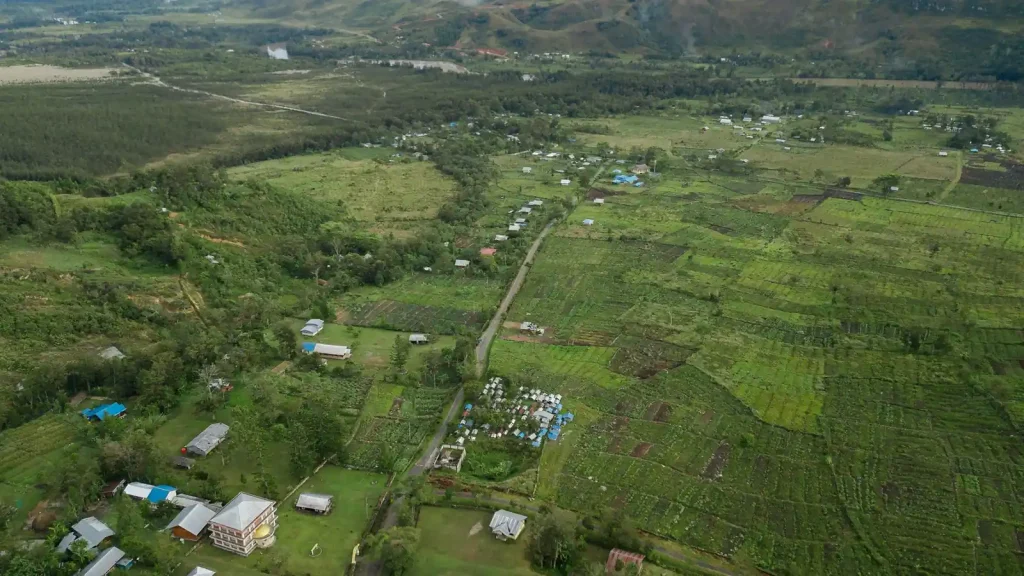
The festival may be the reason for a visit in August, but the trekking is the reason you will remember the Baliem Valley for a lifetime. The landscape is a dramatic canvas of steep, terraced hillsides, lush forests, and roaring rivers crossed by precarious suspension bridges. Treks are generally divided into two main areas. The Southern Circuit, starting from the village of Sogokmo, is the more accessible route. A typical 3-to-4-day trek here involves moderate hiking through Dani farmlands, following the Baliem River and staying in traditional village huts. The Northern Circuit presents a more formidable challenge. This route, often starting near Jiwika, involves steeper ascents to altitudes approaching 2,500 meters and offers a glimpse into more isolated communities. It is in the north that you can visit the famed smoked mummy of the Wimontok Mabel clan, a preserved ancestor said to be over 250 years old. Viewing this incredible piece of history requires a negotiation and a fee, usually around 300,000 IDR, which is paid directly to the village elders. Independent trekking is strongly discouraged; the trails are unmarked and the cultural landscape is complex. A qualified guide, costing approximately 800,000 IDR per day, and porters (500,000 IDR per day) are essential for safety, translation, and navigation. This is where a meticulously planned journey, focusing on Papua’s Highland Trekking and cultural immersion, proves its worth.
A Culinary Journey: From Pig Feasts to Highland Coffee
The culinary landscape of the Baliem Valley is inextricably linked to its soil and traditions. The most significant culinary event is the Barapen, or pig feast. This is a communal affair of immense cultural importance, often reserved for major celebrations like weddings, funerals, or the festival itself. The process is a masterclass in ancient cooking techniques. A pit is dug and filled with stones that have been heated in a fire for hours. The pig, along with sweet potatoes, cassavas, and ferns, is layered between banana leaves and the hot stones. The entire pit is then covered with earth and leaves, creating a subterranean oven where the food steams for 4 to 5 hours. The result is incredibly tender, smoky meat and vegetables. For the Dani, sweet potatoes are not just a side dish; they are the core of their existence, accounting for over 90 percent of the caloric intake in some communities. Beyond these staples, you might encounter Udang Selingkuh, a type of freshwater crayfish unique to the region. In recent years, another local product has gained prominence: Wamena coffee. The Arabica beans, grown at altitudes above 1,600 meters, produce a low-acidity, full-bodied brew with chocolatey notes. Purchasing a bag of locally roasted beans (around 150,000 IDR) directly from a producer in town is an excellent way to support the local economy.
Practicalities for the Discerning Traveler: Permits, Packing, and Protocols
A journey to this part of Indonesia requires more logistical foresight than a trip to Bali or Java. The first and most critical document is the Surat Jalan, a mandatory travel permit for foreigners visiting the Papuan highlands. This can be obtained from the central police station (Polres) in Jayapura or Wamena and requires your passport, two passport-sized photos, and a nominal fee of about 50,000 IDR. It is a bureaucratic but non-negotiable step that our team handles seamlessly for all our guests. Packing must be strategic. The highland climate is one of contrasts; days can be warm and sunny, but temperatures at night regularly drop to between 10-15°C. Layering is key: bring lightweight fleeces, a waterproof and windproof outer shell, and sturdy, broken-in hiking boots. Cash is king, as ATMs in Wamena are notoriously unreliable. A well-stocked first-aid kit and water purification tablets are also essential. Most importantly, cultural sensitivity is paramount. Always ask for permission before taking someone’s photograph, a small gift of cigarettes or cash is customary when meeting a village chief, and be respectful of local traditions like the Koteka, the penis gourd worn by men of certain tribes. Understanding these protocols is fundamental to a rewarding and responsible exploration of the bali em valley.
Quick FAQ for Your August Expedition
Is the Baliem Valley safe for luxury travelers?
With a reputable and experienced operator, it is. The primary challenges are logistical, not related to personal safety in the villages. The political situation in Papua can be fluid, so it’s wise to check government travel advisories, as noted by sources like indonesia.travel. A private guide, chartered transport, and pre-arranged accommodations mitigate nearly all potential issues, allowing you to focus on the experience.
What is the approximate cost of a trip to the Baliem Valley Festival?
This is not a budget destination. A high-end, fully-catered 5-day itinerary, including the necessary Trigana Air flights from Jayapura, a private guide and vehicle, porters for treks, and premium lodging, can range from $3,500 to $5,000 per person. The cost reflects the complex logistics of operating in such a remote area.
How physically demanding is trekking in the valley?
The difficulty is scalable. The Southern Loop is a moderate trek suitable for anyone with a good level of fitness, involving daily hikes of 4-6 hours on rolling terrain. The Northern routes and treks toward the Yali territory are considerably more strenuous, with steep inclines and higher altitudes that demand excellent physical conditioning.
What is the best way to get to the Baliem Valley?
The only way into the valley is by air. You must first fly from a major Indonesian hub like Jakarta (CGK) or Bali (DPS) to Jayapura (DJJ). From Jayapura, you take a connecting 40-minute flight on a smaller aircraft, operated by Trigana Air or Wings Air, to Wamena Airport (WMX). There are no direct international flights to Papua, a vast and diverse region as detailed on its Wikipedia page.
The Baliem Valley in August is more than a trip; it is an expedition to one of the last truly intact cultural landscapes on Earth. It challenges your perspective and rewards you with moments of profound human connection. To move beyond the pages of a magazine and stand on that festival ground, to share a meal cooked in the earth, and to walk the ancient footpaths of the highlands is to experience travel in its purest form. To begin crafting your own journey into the heart of Papua, explore the bespoke itineraries offered by the Bali Em Valley Highlands Society. We curate experiences that connect you to the soul of this remarkable land.
Updated July 4, 2026