On this page
- Cultural treks emphasize anthropology, photography, and personal connection.
- Adventure treks challenge endurance with steep ascents and river crossings.
- The best experiences often blend elements of both for a holistic journey.
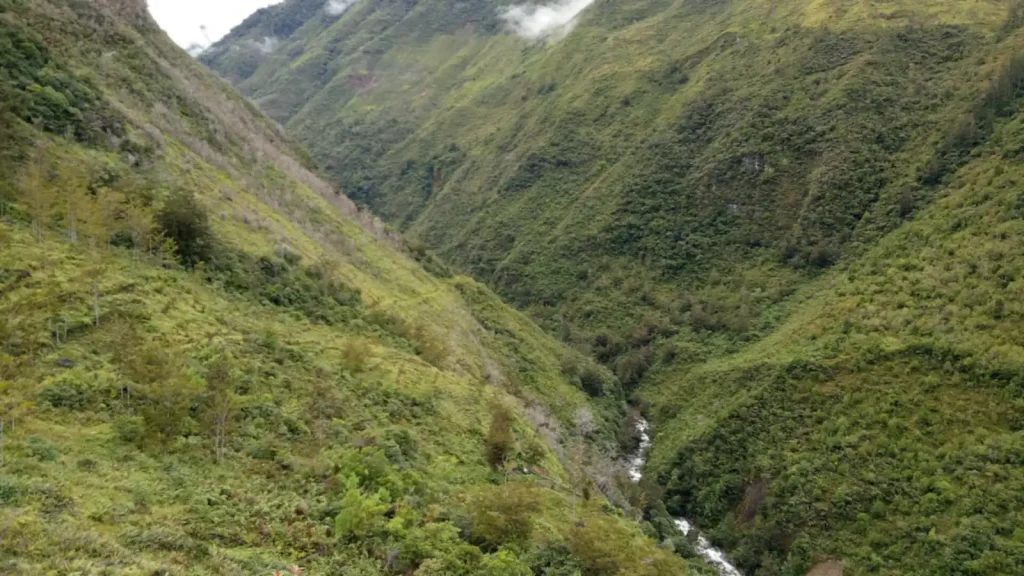
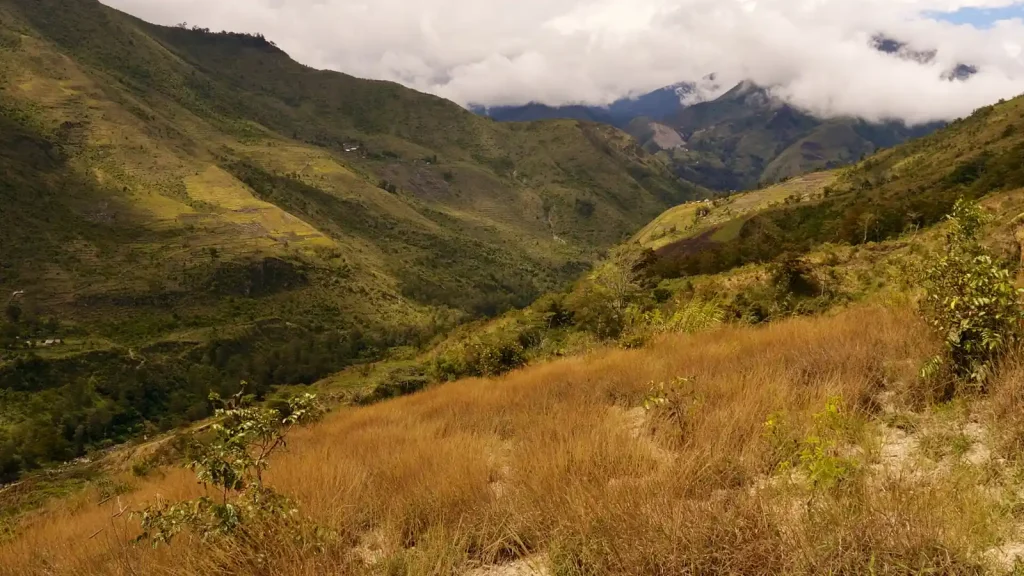
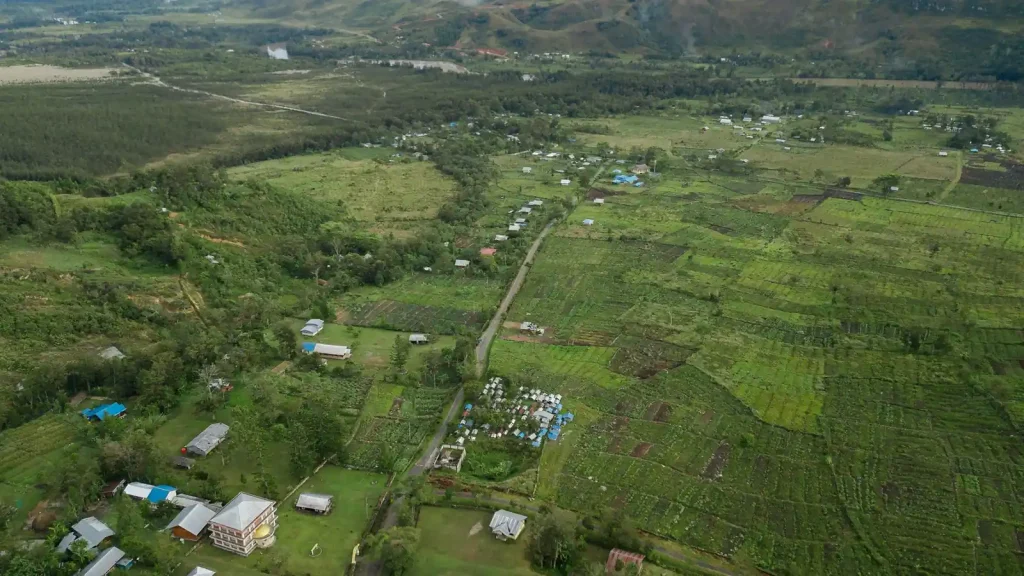
The air in Wamena is thin and carries the scent of woodsmoke and damp earth. It’s a fragrance that clings to you, a constant reminder that you have arrived somewhere truly apart from the modern world. As the small propeller plane banks over the valley, the view is a patchwork of impossible greens—terraced sweet potato gardens carved into 45-degree slopes, separated by ancient stone fences. Below, the Baliem River, a silver serpent, carves its path through the 72-kilometer-long valley floor. This is not a landscape you simply observe; it is one you must enter on foot. The moment your boots touch the trail, the debate begins: are you here for the raw, physical challenge of the trek, or for the profound human connection that awaits in the villages scattered across these highlands? The path you choose will define your entire experience in one of the planet’s last truly wild places.
The Allure of the Highlands: Why Trek Here?
To understand the magnetic pull of exploring the Baliem Valley, one must first appreciate its profound isolation. This fertile highland expanse, situated at an average altitude of 1,600 meters, was completely unknown to the outside world until an aerial discovery in 1938 by American zoologist Richard Archbold. What he saw was a thriving Neolithic culture that had existed, unchanged, for millennia. This is the fundamental appeal of Baliem Valley trekking: it is less a hike and more a form of time travel. Unlike other world-class trekking circuits where the primary goal is a summit or a scenic viewpoint, here the destination is the journey itself—a passage through the living history of the indigenous Dani, Lani, and Yali peoples. The trails you walk are not recreational paths; they are ancient trade routes and familial connections etched into the land over countless generations. Every step is a negotiation with the terrain, a dialogue with a culture that has mastered it.
The experience is visceral. The physical environment is a formidable character in its own right, with dramatic limestone cliffs and dense pockets of cloud forest. Yet, it is the human element that truly distinguishes it. Here, wealth is measured not in currency but in pigs and social obligations. Traditions like the elaborate pig feasts and the historic practice of smoke-mummifying esteemed ancestors are not relics performed for tourists, but integral parts of the cultural fabric. My own guide, a Dani man named Yali, explained that the stone fences we saw crisscrossing the valley weren’t just for agriculture; they were maps of family lineage, each one telling a story of marriage, alliance, and conflict. A trek here offers a rare opportunity to witness a society where the spiritual, the communal, and the natural worlds are inextricably linked, a reality that feels a world away from our own. It is this potent combination of physical challenge and anthropological depth that makes these treks a pilgrimage for the serious traveler.
Defining the Journey: The Cultural Immersion Trek
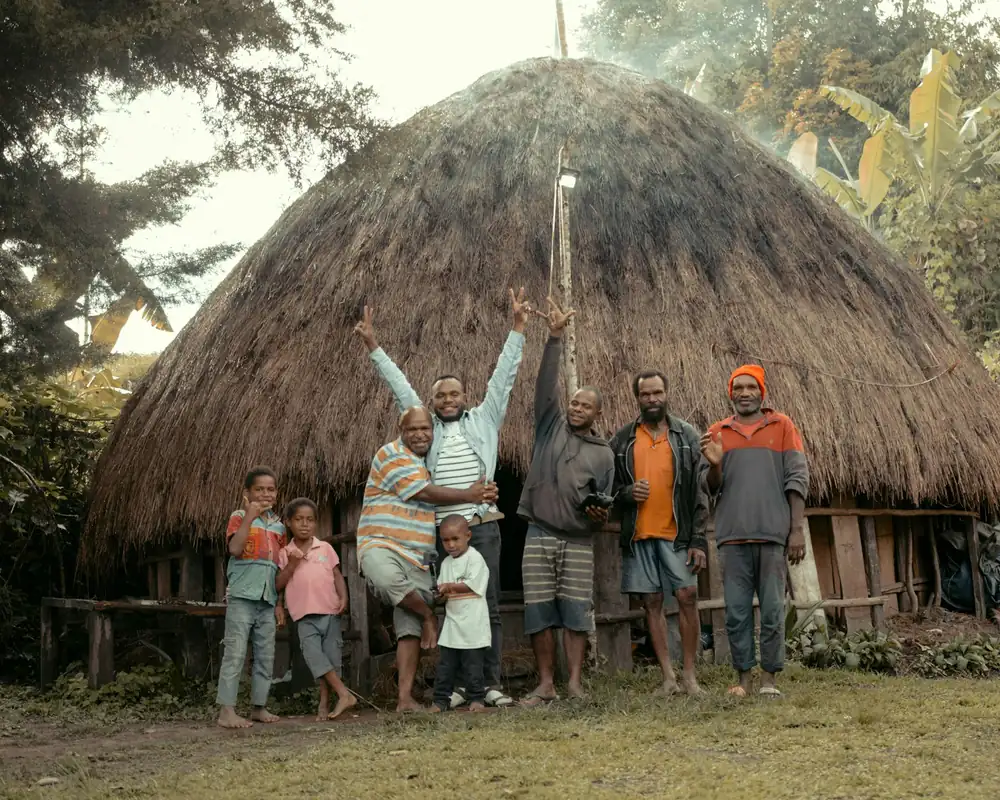
A cultural immersion trek is an exercise in patience and observation. It deliberately slows the pace, transforming the journey from a physical conquest into a deep, ethnographic study. The objective is not to cover maximum distance—daily treks might only span 5 to 10 kilometers—but to maximize engagement. This style of travel is for the photographer, the anthropologist, the artist, and anyone who believes the richest travel experiences are found in human connection. Your days are measured in conversations, not kilometers. You will spend hours in a village, perhaps sitting in the cool, smoky darkness of a circular men’s hut, a honai, learning about the symbolic importance of the boar’s tusk worn through a village elder’s nose. The itinerary is fluid, dictated by the rhythms of village life rather than a rigid schedule. An invitation to witness the preparation of a meal cooked with hot stones in an earth oven can easily become the highlight of the entire day, and indeed, the entire trip.
On these journeys, your guide is your most critical asset, acting as a translator and cultural bridge. A great guide facilitates genuine interaction, moving beyond transactional tourism. They understand the intricate etiquette of gift-giving—presenting salt or sugar is often more valuable than money—and know which families are open to hosting guests. I recall spending an afternoon with a Dani family, my guide translating as the matriarch explained her intricate noken, a hand-woven bag made from orchid fibers, a craft so significant it is listed as Intangible Cultural Heritage by UNESCO. These treks often involve staying overnight in a designated guest honai. The accommodation is basic—a sleeping bag on a straw-covered floor—but the experience is unparalleled. Lying in the dark, listening to the sounds of the village, you feel a profound sense of connection to a way of life that has endured for centuries. This is the core of the cultural trek: it asks you to set aside your own expectations and simply be present.
The Adrenaline Route: The Adventure-Focused Tour
For a different type of traveler, the Baliem Valley presents a formidable physical gauntlet. The adventure-focused tour reimagines the highlands as a rugged natural gymnasium, where the primary dialogue is between your body and the demanding terrain. These are not leisurely strolls between villages; they are challenging multi-day expeditions designed to push your limits. Daily trekking can last anywhere from 6 to 9 hours, often involving significant elevation changes as you ascend from the 1,600-meter valley floor to mountain passes that can exceed 3,000 meters. The trails can be treacherous—a mix of slick mud, sharp limestone, and precarious log bridges. The iconic swaying suspension bridges, constructed from vines and planks and spanning roaring rivers, are a signature feature of these routes and a true test of nerve. The reward is access to parts of the valley that few outsiders ever witness.
These treks typically venture into more remote territories, such as the lands of the Yali people in the south, a journey that can take over a week. The logistics for such an undertaking are complex, requiring a full team of porters to carry food, camping equipment, and other essential supplies for the duration. The focus shifts from deep cultural immersion in a single village to a broader, more transient experience of the landscape and its inhabitants. While you will still encounter local people, the interactions are often briefer, dictated by the rigorous pace of the trek. The satisfaction comes from a different source: the feeling of accomplishment after a grueling ascent, the panoramic views from a high ridge, and the knowledge that you are navigating a truly wild and untamed environment. This is the ideal choice for seasoned mountaineers and endurance athletes who see the formidable topography of the Baliem Valley not as an obstacle, but as the main attraction.
The Guide: Your Crucial Link to the Valley
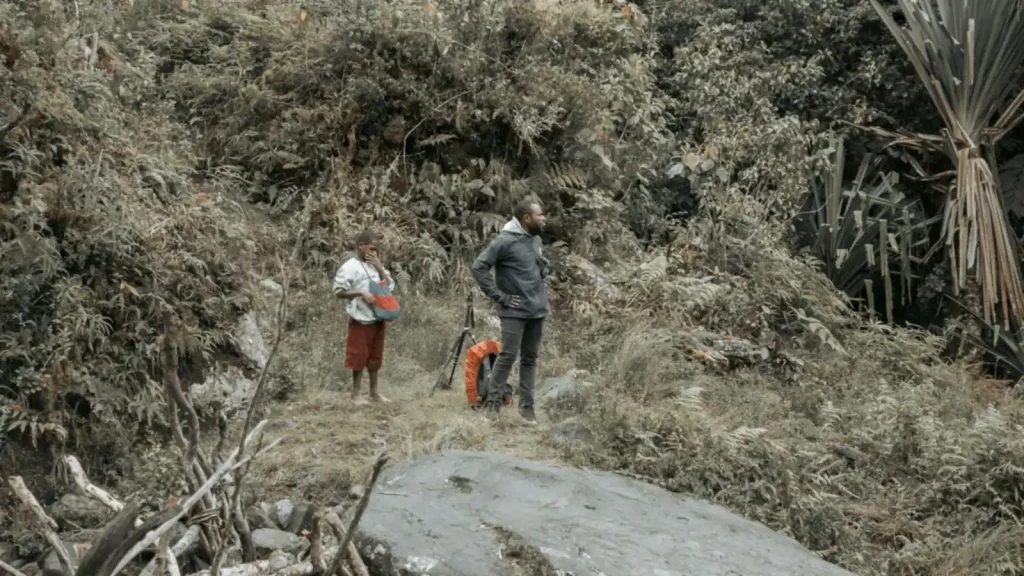
Nowhere in my travels has the choice of a guide been more critical than in the Baliem Valley. Your guide is not merely a navigator; they are your interpreter, your diplomat, your security detail, and your window into a complex culture. The distinction between a standard trek leader and a true cultural liaison can make or break your entire expedition. A mediocre guide will lead you along a path, pointing out basic landmarks. A great guide, however, will unlock the valley’s soul. They will have deep-rooted personal connections in the villages, allowing for authentic, unscripted interactions that go far beyond a staged photograph. They can explain the subtle nuances of a greeting, the history behind a particular farming terrace, or the meaning of a local dispute. The best guides, many of whom are from the Dani or Lani tribes themselves, operate with a deep sense of responsibility to their communities.
This is where partnering with a reputable organization like the Baliem Valley Highlands Society becomes paramount. A well-organized trek ensures that tourism benefits the local economy directly and ethically. A significant portion of the cost of a high-quality, 7-day private trek—which can range from $2,000 to $3,500 per person—is channeled back into the community through wages for the guide and porter team, payments to villages for accommodation, and the purchase of local food. This practice of responsible tourism is vital for preserving the very culture that draws us here. Before booking, it is essential to ask about a company’s relationship with the local communities. Do they employ local guides and porters exclusively? How do they handle compensation and food distribution? The answers to these questions are far more important than the thread count of your sleeping bag. An expertly guided journey is the ultimate luxury here, providing not just access but understanding.
Crafting Your Itinerary: Can You Have Both?
The discerning traveler often asks: must I choose between deep cultural immersion and a challenging physical adventure? The answer, fortunately, is no. The most rewarding and thoughtfully designed **bali em valley** itineraries are not binary choices but artful hybrids. A well-crafted journey recognizes that the cultural and physical landscapes of the valley are two sides of the same coin. By blending the two approaches, you gain a more holistic and profound appreciation for this remarkable region. A successful hybrid trek might begin with two or three days based in or near a single Dani village in the northern part of the valley. This allows time for acclimatization to the altitude (Wamena sits at 1,550 meters) and for building a rapport with a local community. You can participate in daily life, visit the local market in Wamena, and perhaps see the famed 250-year-old Mummy of Jiwika without the pressure of a tight trekking schedule.
Once this cultural foundation is laid, the second phase of the journey can commence: a more strenuous 4- or 5-day trek into the more remote southern valley. This leg of the trip would satisfy the desire for adventure, featuring longer hiking days, challenging river crossings, and more basic, expedition-style camping or stays in less-visited villages. This structure provides the best of both worlds. You get the deep, personal connections that come from a slow-paced immersion, followed by the exhilarating sense of accomplishment that a tough physical challenge provides. This is precisely the kind of bespoke experience that allows for a complete narrative of the valley to unfold. Many visitors also time their trip to coincide with the renowned Baliem Valley Festival, typically held in early August, which offers a spectacular, if concentrated, display of tribal traditions. Combining a festival visit with a private hybrid trek creates an unparalleled journey into the heart of Papuan life.
Quick FAQ: Your Baliem Valley Trekking Questions Answered
What is the best time of year for a Baliem Valley trek? The most favorable trekking season is during the drier months, from March to October. However, this is a tropical highland environment, so rainfall can occur at any time. The valley’s high altitude, as detailed on its Wikipedia page, keeps temperatures mild, typically ranging from 10°C at night to 22°C during the day, requiring layered clothing.
Is it safe to travel in the Baliem Valley? When arranged through a reputable operator with experienced local guides, travel in the valley is generally safe. The key is local knowledge. Your guide navigates not just the physical trails but also complex local customs and politics. A government travel permit, known as a surat jalan, is mandatory for all foreign visitors and will be arranged by your tour operator.
What level of fitness is required for Baliem Valley trekking? Fitness requirements vary dramatically by itinerary. Cultural immersion tours with shorter daily walks (2-4 hours) on relatively flat terrain are suitable for anyone with a good general level of fitness. Adventure treks, which can involve 6-9 hours of hiking daily over steep and uneven ground, demand a high level of cardiovascular fitness and prior multi-day hiking experience.
What are the essential items to pack? Beyond standard trekking gear, key items include a high-quality waterproof jacket and pants, broken-in waterproof hiking boots with excellent grip, a water filter or purification tablets, a powerful headlamp, and a warm sleeping bag. It’s also customary to bring small gifts for host villages; your guide will advise on appropriate items like salt, sugar, or tobacco, which they can help procure in Wamena.
Ultimately, a journey through the Baliem Valley is a deeply personal undertaking. Whether you seek the quiet contemplation of a cultural exchange or the rigorous test of an adventure trek, the highlands offer an experience that will resonate long after you have returned home. The true luxury of a trip here lies in its authenticity and the expertise of those who guide you through it. To begin crafting an itinerary that balances your desire for discovery with your appetite for adventure, we invite you to connect with our specialists and design your own **bali em valley** journey. Our deep-rooted local partnerships ensure your travel is not only transformative but also responsible and sustainable.
Updated July 4, 2026