Skip to content
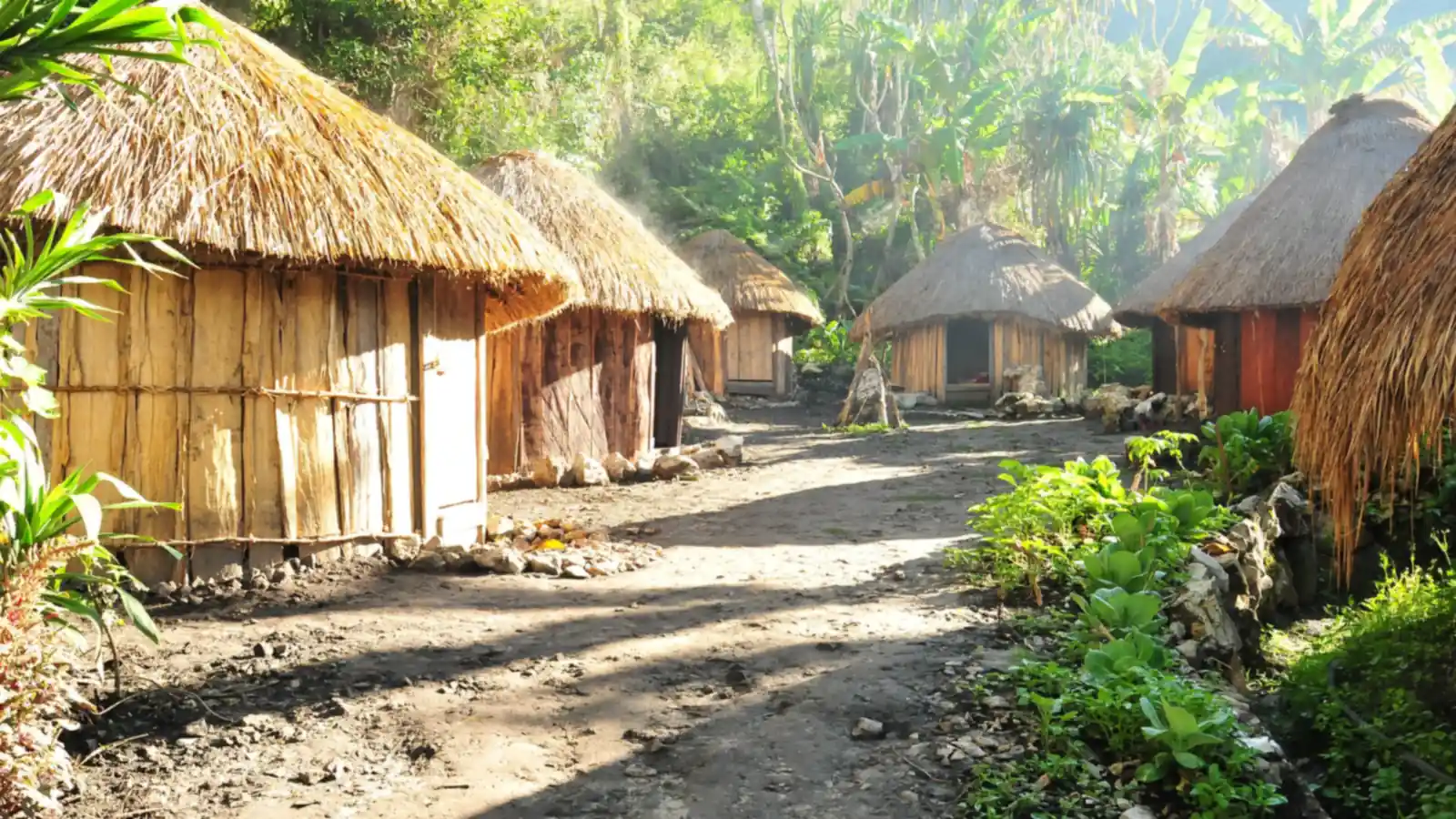
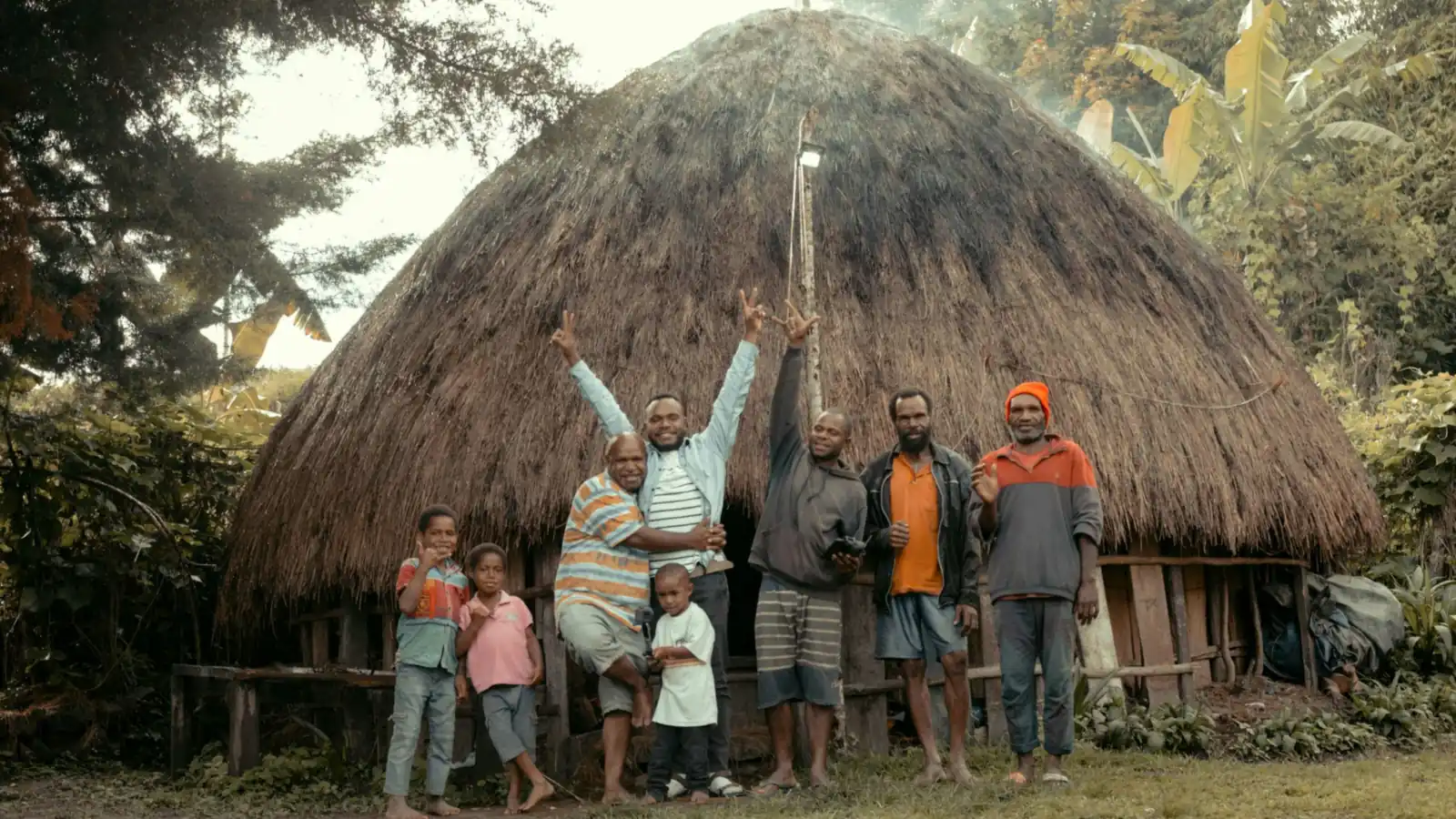
Thatched honai houses along a village lane

Culture · Sacred heritage

Visiting the Dani mummified chief

Wuriferi, a Dani chief who died about 250 years ago, rests in a honai at Akima village, 30 minutes from Wamena.

The Dani preserve their most important ancestors as mummified figures, kept in honai houses for ritual purposes. The best known is Wuriferi, at Akima village. You can visit — but this is sacred ground, and it asks for the care you would bring to any place of worship.

~250 yrs

Since Wuriferi died

30 min

From Wamena by 4WD

4

Visitors at a time

15–20 min

A respectful visit

The Story

An ancestor still present

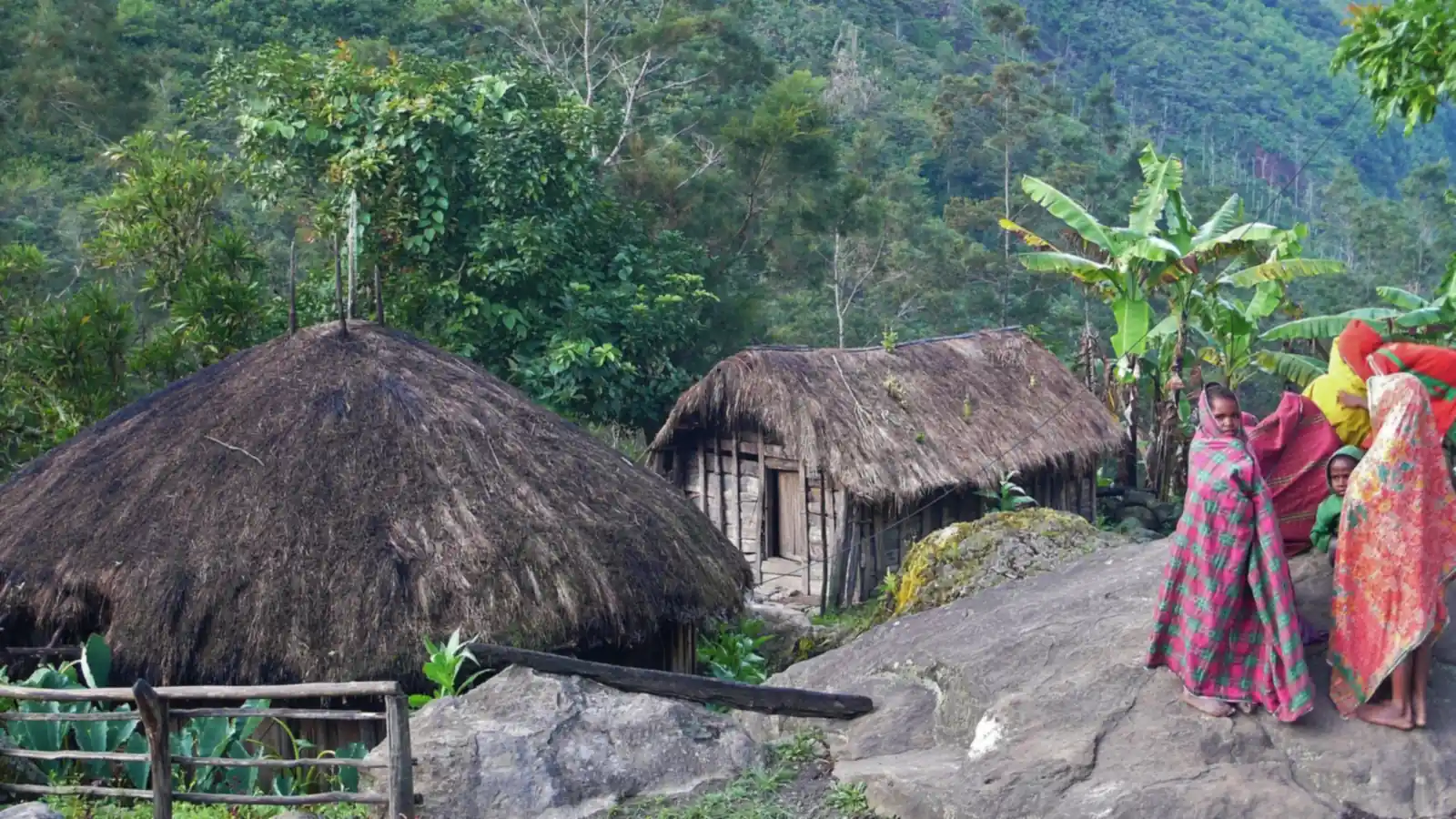
Residents among honai houses in a highland village
01

Context

Ancestors kept at home

The Dani preserve their most important ancestors as mummified figures, kept in honai houses for ritual purposes.

The best known is Wuriferi, a chief who died roughly 250 years ago. He is kept in a specially designated honai at Akima village.

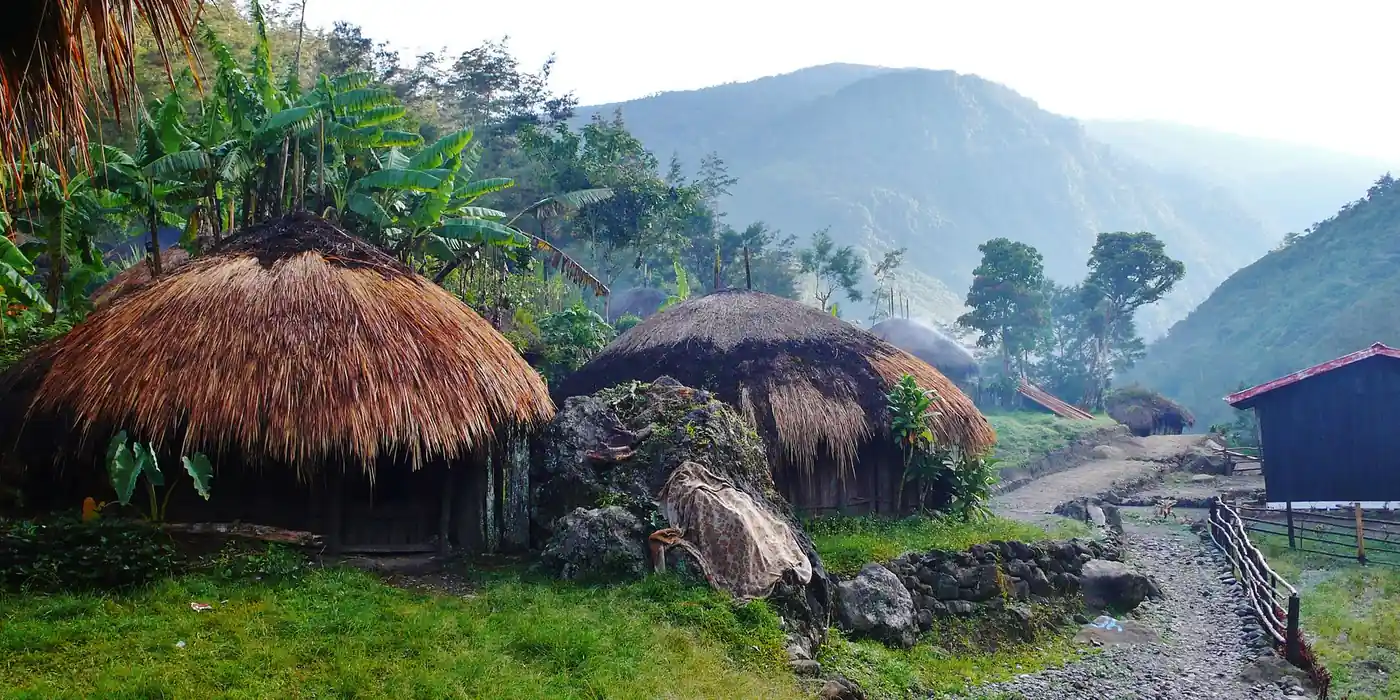
Morning haze over a honai village
02

Belief

Why the Dani mummify

In Dani belief the mummified ancestor stays spiritually present and can be consulted on important matters — not simply dead in the Western sense, but a continuing presence in the village.

The bodies were preserved by smoking: dried over a slow fire for weeks until fully dehydrated.

Welcome to Baliem Valley sign at Wamena airport
03

The visit

Visiting Wuriferi at Akima

Akima is about 30 minutes from Wamena by 4WD. The visit needs advance arrangement, which we handle.

Only small groups enter — at most four visitors at a time. Wuriferi rests in a special honai with its own orientation rituals; visitors observe but do not interact.

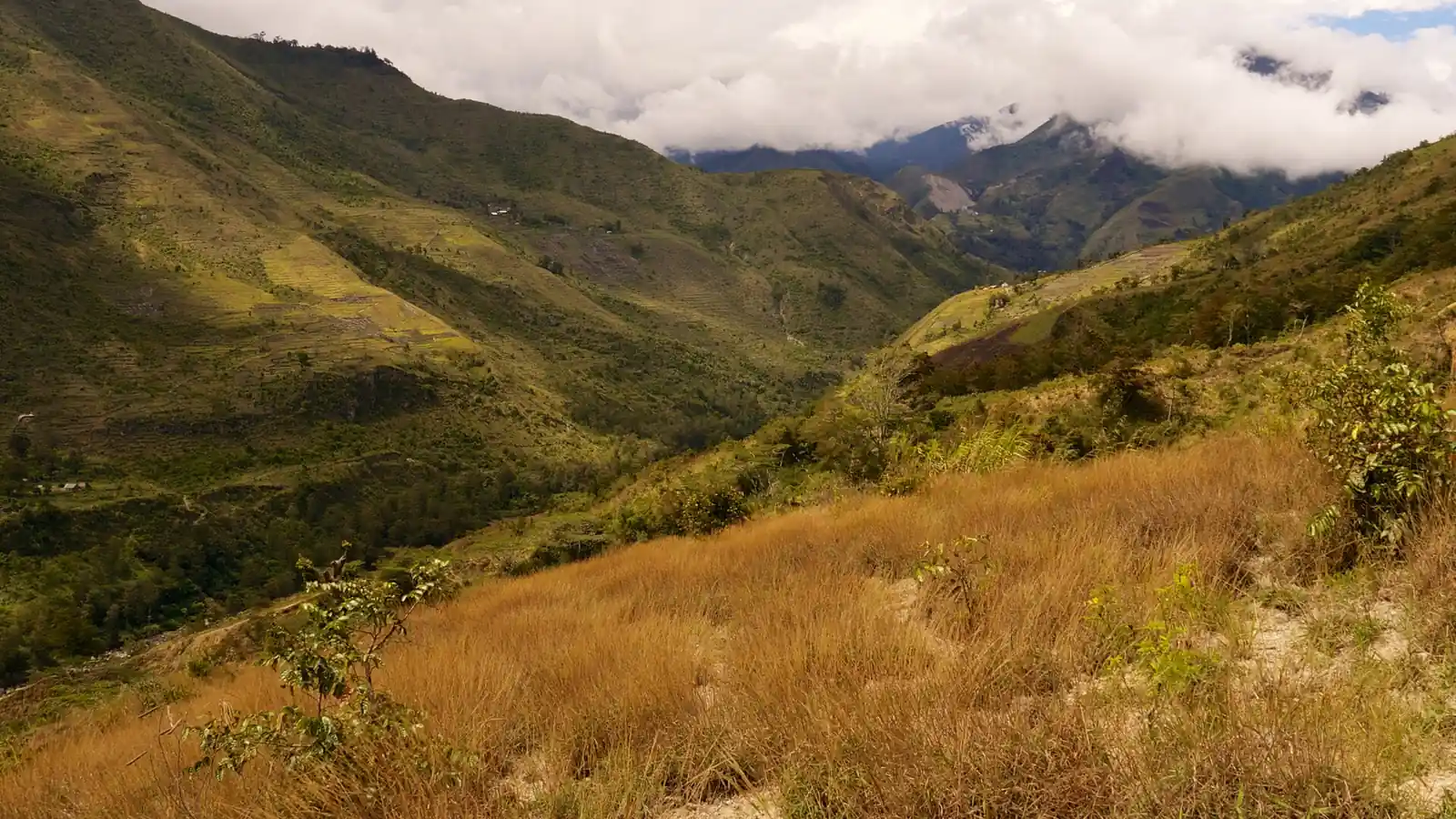
Grassy slopes above the Baliem Valley
04

Beyond Akima

Other Dani mummies

Sumpaima village keeps its own ancestor mummy, visited under similar protocols. Other villages allow viewing only with direct permission from a village elder.

Access changes, so our cultural guide checks the current status before each tour.

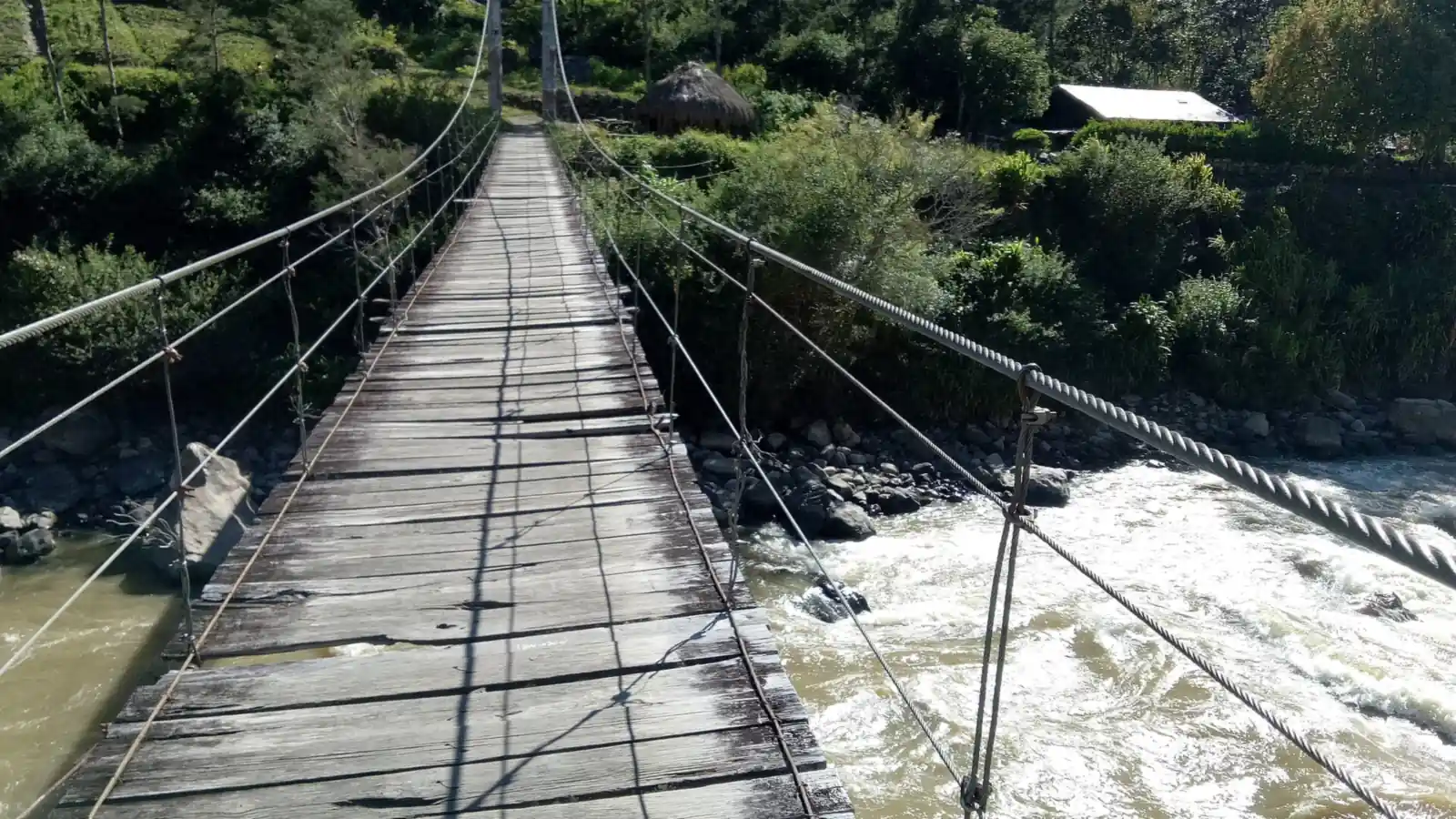
Suspension bridge over the Baliem River near Kurima
05

On the trek

Part of the 8-day trek

We usually include the visit on Day 2 of the 8-day trek, the Wamena cultural orientation, when access allows. With the museum and market it fills a half day.

Many guests find it the most culturally significant moment of the trip.

This is genuinely sacred ground.
Baliem Valley Highlands Society

Visit Protocol

Treat it as a sacred site

Photography is allowed with permission — the caretaker family signals when it is welcome.

Do

  • Dress modestly and keep quiet, as you would at any religious site.
  • Wait for the caretaker family to signal before taking photos.
  • Use natural light or long exposures; group and honai-exterior photos are welcome.
  • Hand the $20–30 cash gift to the caretaker respectfully, with a slight bow.
  • Stay 15–20 minutes — rushed five-minute visits feel disrespectful.

Don’t

  • Don’t use flash — light damages the mummified remains.
  • Don’t fly a drone anywhere in the village.
  • Don’t take close-up portraits without consent.
  • Don’t touch the mummy or the objects around it.
  • Don’t ask inappropriate questions.

Visit FAQ

Before you visit Wuriferi

Access, photos, gifts and timing.

01 Where is the mummified chief kept?

Wuriferi is kept in a specially designated honai at Akima village, about 30 minutes from Wamena by 4WD.

02 Do I need to arrange the visit in advance?

Yes. The visit needs advance arrangement, which we handle. Only small groups enter — at most four visitors at a time.

03 Can I take photographs?

Yes, with explicit permission once the caretaker family signals. No flash and no drones; no close-up portraits without consent. Group and honai-exterior photos are welcome.

04 What gift should I bring?

A cash gift of $20–30 for the mummy’s caretaker family, handed over respectfully.

05 How long does the visit take?

Allow 15–20 minutes at the honai. Paired with the Wamena museum and market, it fills a half day.

06 Is it part of the 8-day trek?

We usually include it on Day 2, the Wamena cultural orientation, when access allows.