On this page
- 01Key Takeaways
- 02Understanding Bali’s Dry Season: May to September
- 03Tourist Traffic and Peak Season: May to August
- 04Visa and Entry Requirements for 2027
- 05Accommodation and Costs in 2027
- 06Transportation Challenges and Solutions
- 07Embracing Bali’s Cultural Events
- 08Environmental Initiatives and Ecotourism
Key Takeaways
- “Bali Emvalley” doesn’t exist; likely confusion with known areas like Ubud’s valleys.
- Best to visit Bali during the dry season: May to September 2027.
- Peak tourist traffic in Bali is from May to August 2027.
- High season affects real areas like Canggu, Ubud, and Seminyak in 2027.
Planning a trip to Bali in 2027? The best time to experience Bali’s optimal weather is during the dry season, from May to September. With warm temperatures and minimal rainfall, these months promise a delightful vacation experience across the island’s popular destinations.
Understanding Bali’s Dry Season: May to September
Bali’s dry season runs from May through September, a period when the island enjoys warm temperatures, low humidity, and minimal rainfall. This is when the weather is at its most favorable, making it the perfect time for outdoor activities and exploring all that Bali has to offer. The dry season is particularly popular among tourists, as the clear skies and abundant sunshine make it ideal for enjoying Bali’s beaches, hikes, and cultural sites.
During these months, temperatures typically range between 26°C and 29°C (79°F to 84°F), providing a comfortable climate for travelers. The reduced humidity compared to the wet season means that the heat is more tolerable, especially for those not accustomed to tropical climates. This is also the time when Bali’s cultural festivals and events thrive, offering visitors a unique insight into Balinese traditions and celebrations. Areas like Canggu and Ubud become lively with activities, attracting visitors eager to partake in local festivities.
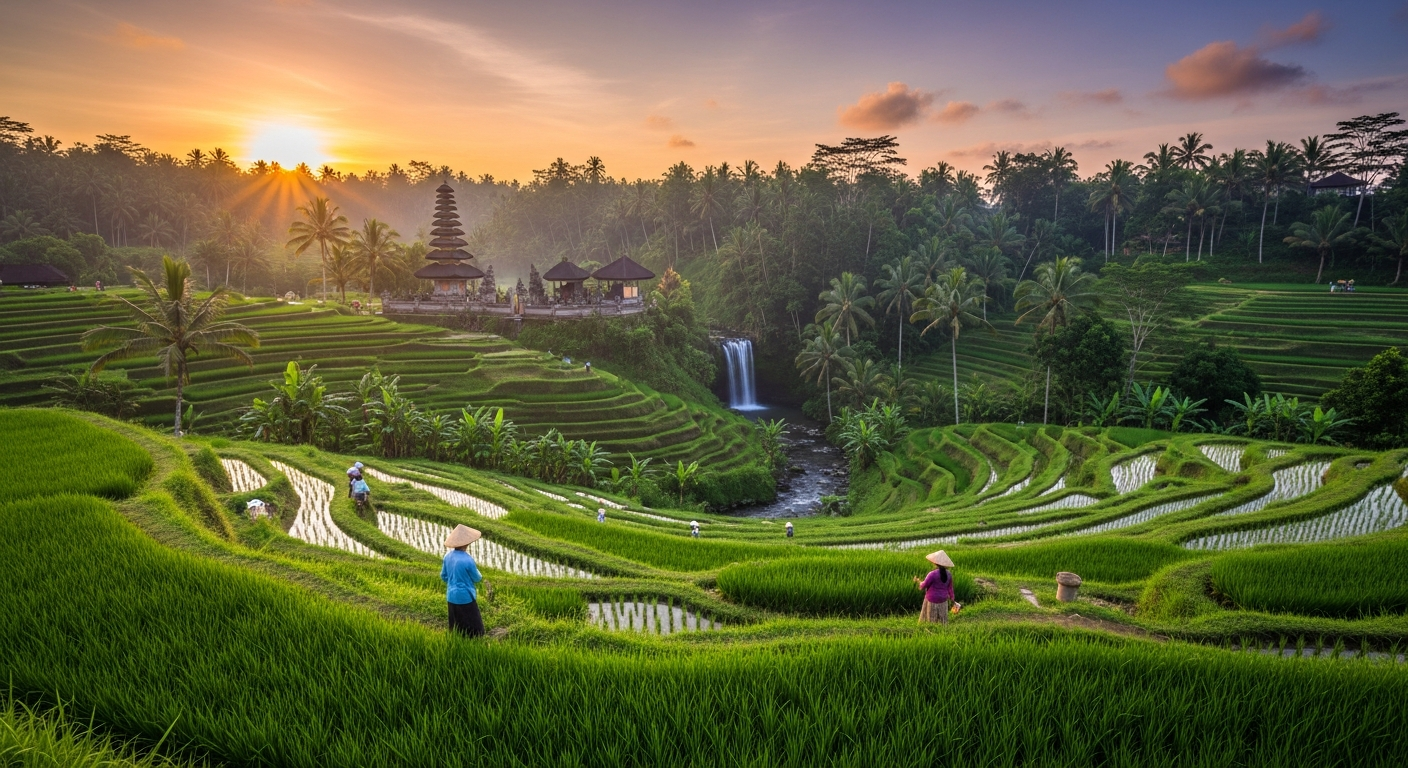
The dry season also marks the period when Bali’s natural beauty is in full display. The famous rice terraces in Tegallalang, near Ubud, and the beaches of Seminyak offer remarkable views and picture-perfect moments. Travelers can expect clear skies, ideal for watching the striking sunsets that Bali is renowned for, creating memorable memories.
Tourist Traffic and Peak Season: May to August
The peak tourist season in Bali coincides with the dry season, especially from May to August. These months see the highest influx of international visitors, drawn by the promise of perfect weather and lively cultural experiences. Popular areas like Canggu, Ubud, and Seminyak are busy with activity as tourists flock to enjoy the island’s renowned hospitality and diverse attractions.
During peak season, visitors should be prepared for higher accommodation prices and crowded attractions. Booking your stay in advance is highly recommended to secure the best rates and availability. Despite the crowds, the energy and excitement during this time add to the allure of Bali, making it a lively and dynamic destination. Restaurants and cafes in areas like Seminyak offer an array of culinary delights, but reservations are advisable to ensure a spot at popular dining venues.
In addition to accommodation, travel services also see a surge in demand. Whether hiring a scooter for a day of exploration or booking a guided tour to the iconic Uluwatu Temple, planning ahead is crucial to avoid disappointment. The collaborative efforts of local vendors ensure tourists have a memorable experience, despite the busy environment.
Visa and Entry Requirements for 2027
Before planning your trip to Bali in 2027, it’s essential to understand the visa and entry requirements to ensure a smooth journey. As of 2027, travelers from most countries can enter Bali with a Visa on Arrival, valid for 30 days. This visa costs $35 USD and can be extended once for an additional 30 days at a cost of $35 USD. It’s important to note that the extension process requires a visit to an immigration office in Bali.
Additionally, Bali has implemented a tourist levy of 150,000 IDR (approximately $9.50 USD) to support the local infrastructure and environment. Plans to increase this levy to 300,000 IDR (approximately $19 USD) have been proposed, so travelers should budget accordingly. Ensure your passport is valid for at least six months beyond your intended stay, and check for any updates to entry requirements prior to your departure. These fees contribute to preserving Bali’s natural and cultural heritage, ensuring sustainable tourism practices.
Travelers are advised to keep copies of all travel documents and receipts related to the visa and levy to ensure a hassle-free experience at Bali’s entry points. With preparations complete, visitors can focus on enjoying the island’s attractions, from the artistic communities in Ubud to the lively nightlife found in Kuta.
Accommodation and Costs in 2027
Accommodation options in Bali vary widely, from luxury resorts to affordable guesthouses. In popular areas like Canggu, Ubud, and Seminyak, prices for a one-bedroom pool villa in 2027 are expected to range from $630 to $760 USD per month. Accommodation costs have been rising by approximately 20% year-over-year, so early booking is advised to lock in current rates.
Beyond lodging, travelers should budget around $150 USD per day for expenses such as food, transportation, and activities. This budget allows for a comfortable experience, enjoying Bali’s diverse cuisine and engaging in various tours and excursions. Being aware of these costs helps ensure a well-planned and enjoyable visit to the island. Dining options range from high-end restaurants offering international cuisine to local warungs where visitors can savor traditional Balinese dishes at reasonable prices.
The lively local markets and shops in areas like Ubud and Seminyak offer countless opportunities for shopping, with souvenirs, artisanal crafts, and fashion items tempting every traveler. Haggling is a common practice and can be an enjoyable part of the shopping experience, allowing tourists to interact with locals and engage themselves in Balinese culture.
Transportation Challenges and Solutions
While Bali is relatively small, transportation on the island can be challenging due to traffic congestion. Even short distances can take significantly longer to traverse, with a 40 km journey often lasting 2 to 2.5 hours. This is an issue the local government aims to improve by 2030 through infrastructure developments and traffic management strategies.
Visitors are encouraged to plan their travel with these challenges in mind. Using local transport options such as scooters, private car hires, or ride-hailing services can help navigate Bali’s roads more efficiently. Alternatively, organizing day tours with transportation included can alleviate some of the stress associated with getting around. Exploring Bali’s various regions on guided tours, such as those to the scenic rice paddies and volcanic landscapes, provides an excellent opportunity to learn about the island while bypassing traffic concerns.
For those staying in popular tourist areas, walking or cycling can be a practical and enjoyable way to explore the local surroundings. Many accommodations offer bike rentals, allowing guests to experience Bali at a leisurely pace, stopping at sights and attractions along the way.
Embracing Bali’s Cultural Events
The dry season is not only the best time for weather but also for participating in Bali’s rich cultural events. Visitors can engage themselves in unique experiences like the Bali Arts Festival, which showcases traditional dance, music, and crafts. These events offer a deeper understanding of the island’s heritage and are a highlight for many travelers.
Attending temple festivals and ceremonies provides further insight into Balinese culture and spirituality. These lively events are open to tourists, who are encouraged to observe and respect local customs. By participating in these cultural activities, visitors gain a more authentic and enriching experience of Bali. Highlights such as the Galungan festival, which symbolizes the victory of good over evil, offer immersive cultural experiences, celebrating Balinese beliefs and traditions.
In addition to scheduled festivals, many villages host their own unique events, providing opportunities to witness local craftsmanship and innovation. From witnessing traditional gamelan performances to participating in community temple rituals, there are endless possibilities for cultural enrichment during a stay in Bali.
Environmental Initiatives and Ecotourism
Bali is not only a place of cultural richness and natural beauty but also a pioneer in ecotourism and sustainable practices. Efforts to preserve its unique ecosystems have seen a rise in eco-friendly accommodation and activities that prioritize the environment while offering immersive experiences for travelers.
Eco-lodges and sustainable resorts are increasingly common, particularly in areas like Ubud and the northern regions of Bali. These establishments blend luxury with environmental responsibility, using renewable energy sources, organic produce, and waste management systems to minimize their ecological footprint.
Travelers can also participate in conservation activities, such as coral reef restoration projects and wildlife protection initiatives. Many local organizations offer volunteer opportunities, allowing visitors to contribute to the island’s ecological health while learning about its diverse flora and fauna. This approach ensures that tourism positively affects both the environment and the local community, offering a holistic and meaningful travel experience.
FAQs
Q? What is the best month to visit Bali in 2027?
A: The best months to visit Bali in 2027 are during the dry season, from May to September, when the weather is most favorable with minimal rain and pleasant temperatures.
Q? How much should I budget for daily expenses in Bali?
A: Travelers should budget around $150 USD per day for daily expenses, excluding accommodation, to cover food, transportation, and activities in popular areas like Canggu, Ubud, and Seminyak.
Q? Are there any new entry requirements for Bali in 2027?
A: As of 2027, travelers can enter Bali with a Visa on Arrival costing $35 USD, valid for 30 days, with a possible 30-day extension. A tourist levy of 150,000 IDR (~$9.50 USD) is also applicable, with potential plans to increase it.
For wider arrangements, our partner baliluxurytransport can coordinate end to end.
Planning something bigger across Indonesia? See trusted arrangements from komodoboatcharter.
Explore all baliemvalley.com options and plan your trip.