On this page
The Dani people, numbering between 100,000 and 400,000 across the Baliem Valley, maintain intricate clan dynamics and traditional alliances, which are fundamental to their social structure and historical interactions. These systems, vital for resource management and conflict resolution, continue to shape community life in 2027.
The Enduring Structure of Dani Clans
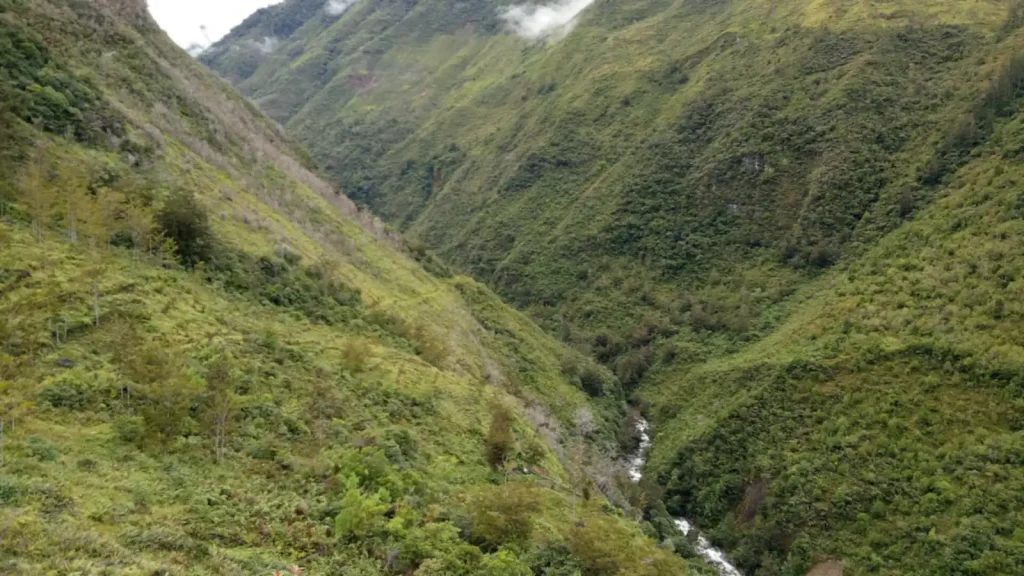
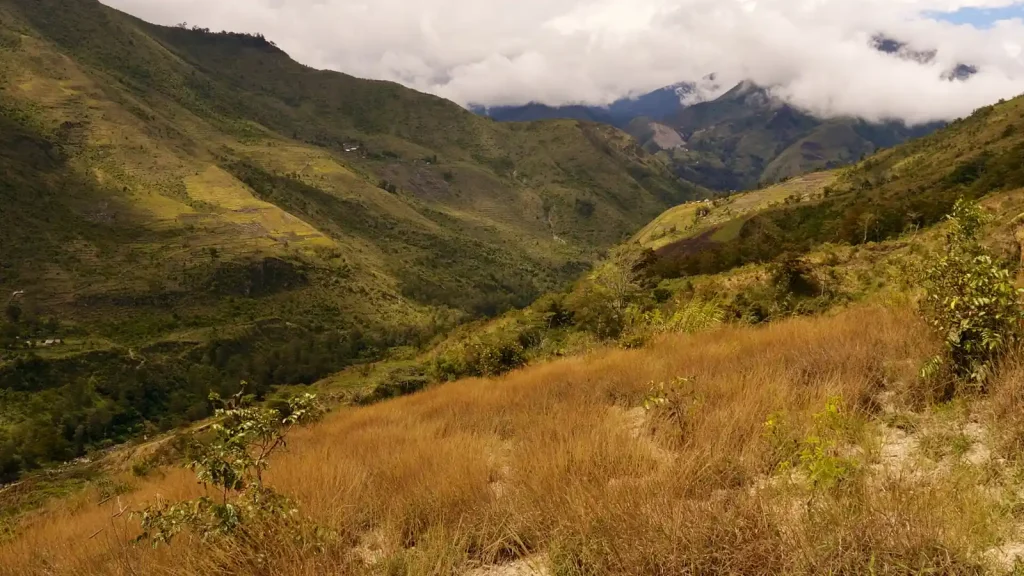
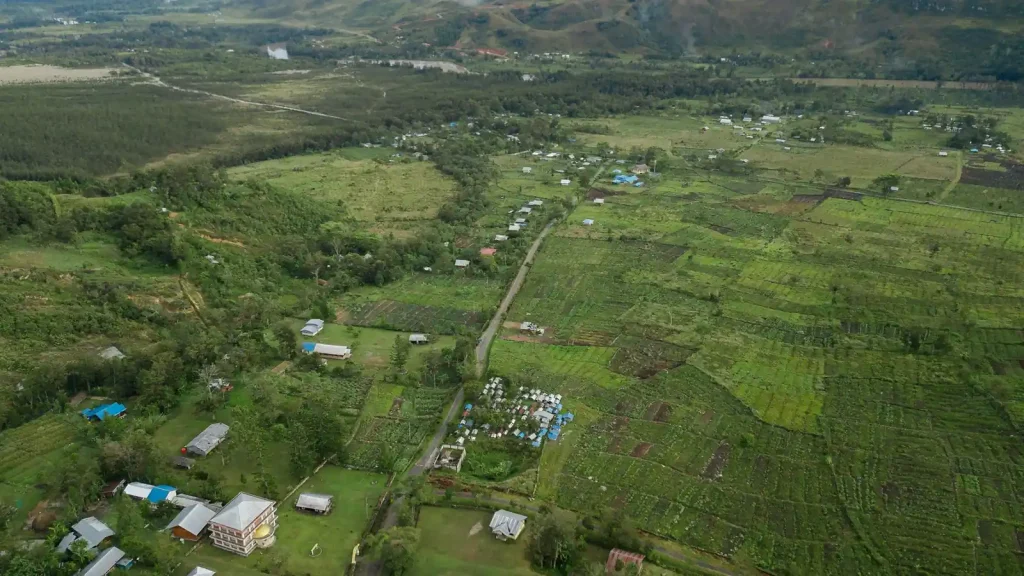
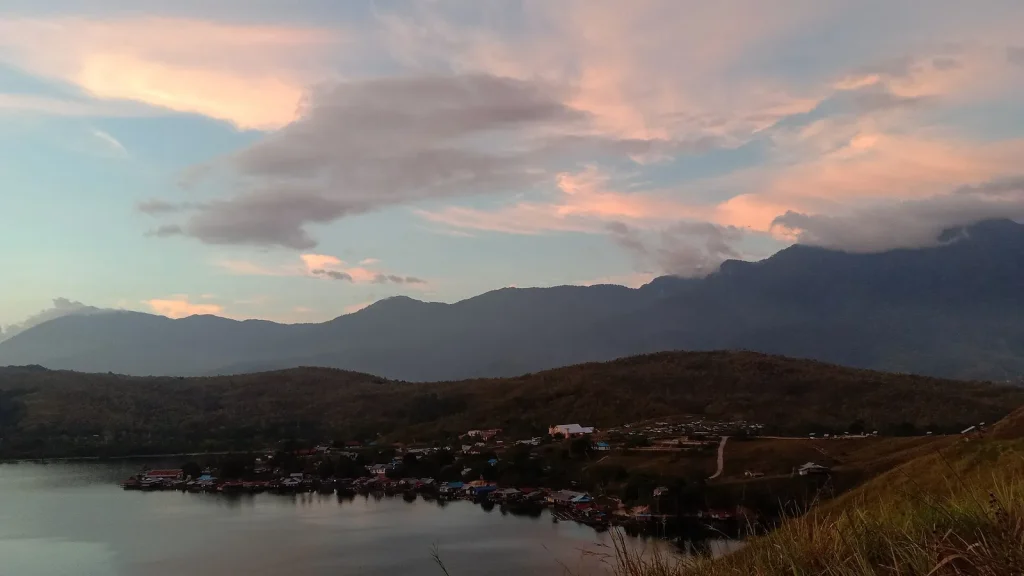
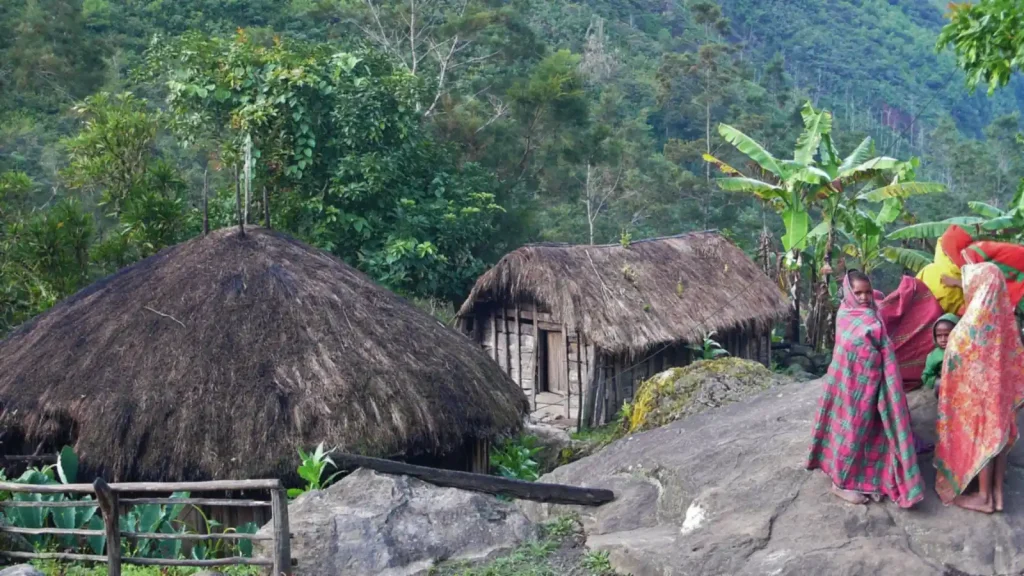
In 2027, the social fabric of the Baliem Valley, home to approximately 100,000 to 400,000 Dani people (including Yali and Lani sub-tribes), remains deeply rooted in its traditional clan system. This system is far more than a simple lineage; it dictates land ownership, marriage patterns, and collective responsibilities. Each clan, or wanua, identifies with specific ancestral territories within the valley’s 1,272 square kilometers. The valley, roughly 70–80 km long and 15–20 km wide, provides ample space for these distinct clan territories, often demarcated by natural features like rivers or mountain ridges. The altitude, ranging from 1,600–1,700 meters above sea level, contributes to a consistent climate that supports their traditional agriculture, which is intricately tied to clan-held lands.
Understanding these clans is crucial for any visitor wishing to appreciate the true depth of Dani culture. While Wamena, the administrative centre with a population of 10,000–17,000, offers modern amenities, the vast majority of the Dani live in smaller, clan-based villages. Goods in Wamena are notably expensive due to the complex logistics of shipping items to Jayapura, trucking them to Sentani, and then flying them into Wamena Airport (WMX), the only access point for the valley. This logistical challenge reinforces the self-sufficiency and localized resource management within clan structures.
Traditional Alliances: Beyond the Clan
While clans form the bedrock of Dani society, traditional alliances provide a broader framework for cooperation and, historically, for warfare. These alliances, often formed through inter-clan marriages or shared defensive needs, create complex webs of obligation and support. For example, a village might consist of multiple clan segments, all bound by a larger alliance to a particular confederation. This system allowed for the pooling of resources and manpower, essential in a region where inter-tribal conflicts were once common. Even in 2027, the memory and principles of these alliances influence communal decision-making and resource sharing, particularly concerning agricultural land and hunting grounds.
The annual Baliem Valley Festival, typically held in August, serves as a modern expression of these traditional gatherings. While now a cultural celebration attracting tourists, its origins lie in displays of strength and inter-clan interaction. In 2009, about 400 foreign tourists, predominantly from Europe and Japan, attended the festival, constituting 40% of the total attendees. This highlights the enduring appeal of Dani culture. The optimal period to visit, between March and August, avoids the heaviest rains, making August particularly attractive for cultural immersion during the festival.
Impact on Modern Baliem Valley Life
The persistence of clan dynamics and traditional alliances profoundly impacts contemporary life in the Baliem Valley. Local governance, while integrated into the Indonesian administrative system, often consults with clan elders and leaders to ensure decisions align with traditional customs. Land disputes, for instance, are frequently mediated through customary law, which is deeply informed by clan territories and historical agreements. The economic development initiatives in the valley must also consider these established structures to ensure community buy-in and equitable distribution of benefits. The unique cultural offerings, such as the Baliem Valley Cultural Festival package costing up to Rp 16.2 million (approximately $1,000 USD) per person, rely heavily on the willingness of clans to share their traditions respectfully with visitors.
Maintaining Cultural Identity in 2027
In an increasingly connected world, the Dani people, accessible only by plane via Wamena Airport, are actively working to maintain their distinct cultural identity. The younger generations are taught the importance of their clan lineage and the history of their alliances. Oral traditions, passed down through generations, continue to recount tales of ancestral heroes, land claims, and inter-clan agreements. This deliberate preservation ensures that the intricate social structures are not lost to modernization. Education, both formal and informal, plays a crucial role in bridging traditional knowledge with contemporary opportunities. Visitors arriving via Jayapura (DJJ) on WingsAir and TriganaAir flights are often struck by the deep sense of community and connection to the land that defines the Dani.
Travel and Cultural Sensitivity
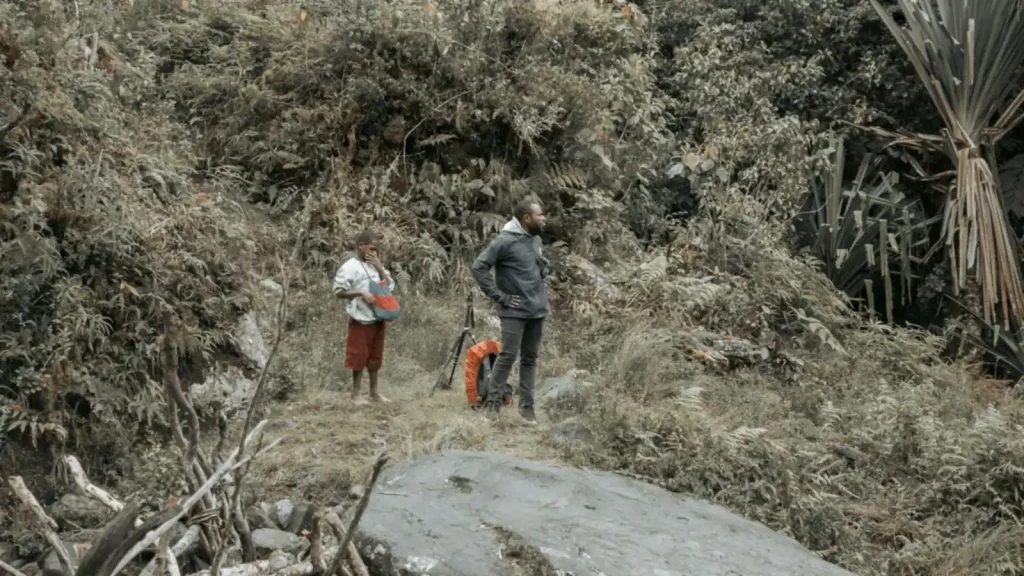
For visitors in 2027, engaging with Dani clan dynamics requires cultural sensitivity and respect. It is advisable to travel with experienced local guides who understand the nuances of local customs and can facilitate respectful interactions. Understanding that certain areas or ceremonies may be exclusive to specific clans is part of respecting their traditions. The Baliem Valley offers a unique opportunity to witness a living culture, where ancient customs continue to shape daily life. While planning your journey, remember that understanding local customs extends beyond the valley itself; for international visitors, navigating entry requirements and bali customs clearance efficiently is the first step towards a smooth trip to Indonesia. The foreign visitor numbers, which saw a peak of 6,000 in 1995 but then a drop to 1,000 in 2002, indicate the fluctuating interest and the need for sustainable, respectful tourism practices.
| Aspect | Detail |
|---|---|
| Primary Population Group | Dani (including Yali, Lani) |
| Estimated Population | 100,000 – 400,000 |
| Clan Structure | Wanua (lineage, land ownership, marriage) |
| Alliances | Inter-clan agreements, defence, resource sharing |
| Main Access Point | Wamena Airport (WMX) |
| Key Cultural Event | Baliem Valley Festival (August) |
- Respect local customs and traditions at all times.
- Engage with local guides for deeper cultural insights.
- Seek permission before photographing individuals or ceremonies.
- Support local economies by purchasing traditional crafts.
- Be mindful of the environmental impact of your visit.
Q&A: What is the primary role of clan dynamics in modern Baliem Valley society?
In 2027, clan dynamics primarily govern land ownership, resource management, and social organisation within Baliem Valley communities. They also play a significant role in local governance and the resolution of disputes, often through customary law, ensuring that traditional values and structures are integrated into contemporary life.
Q&A: How do traditional alliances influence visitor experiences or access to certain areas?
Traditional alliances can influence visitor experiences by dictating which areas are accessible or how interactions with specific communities are managed. Visitors with experienced local guides are more likely to navigate these social structures respectfully, gaining deeper insights into the culture and potentially accessing areas or events that might otherwise be unavailable due to inter-clan protocols or historical agreements.