On this page
In 2027, Baliem Valley tourism is projected to continue its focus on sustainable, culturally immersive experiences, building on historical trends of increasing visitor interest in authentic Papuan culture and the valley’s distinctive geographical features, with specific attention to preserving the environment and supporting the Dani, Yali, and Lani communities.
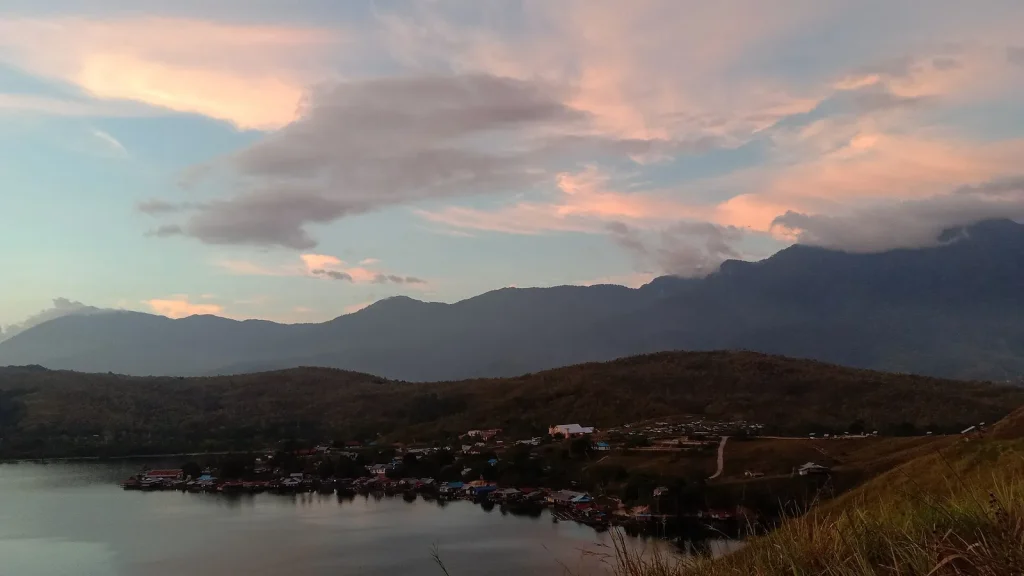
The Baliem Valley, a significant geographical feature within Papua, Indonesia, remains a compelling destination for those seeking profound cultural engagement and a striking natural environment. As we look towards 2027, the trajectory of tourism here is firmly rooted in sustainability and an appreciation for the unique way of life maintained by the valley’s indigenous communities. With a population ranging from 100,000 to 400,000 Dani people, including the Yali and Lani sub-tribes, the preservation of their traditions and the valley’s ecology is paramount.
Understanding Baliem Valley’s Unique Context
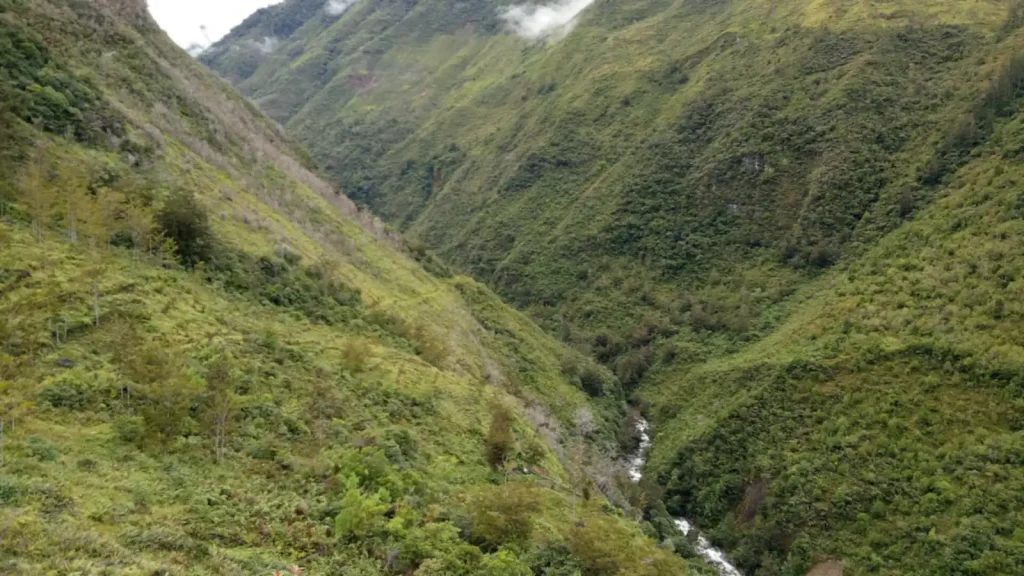
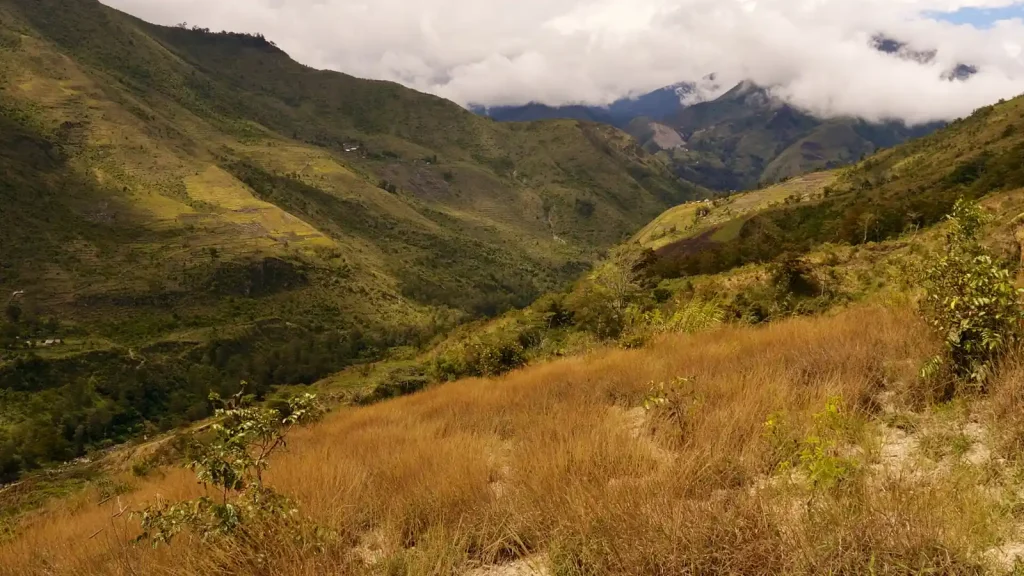
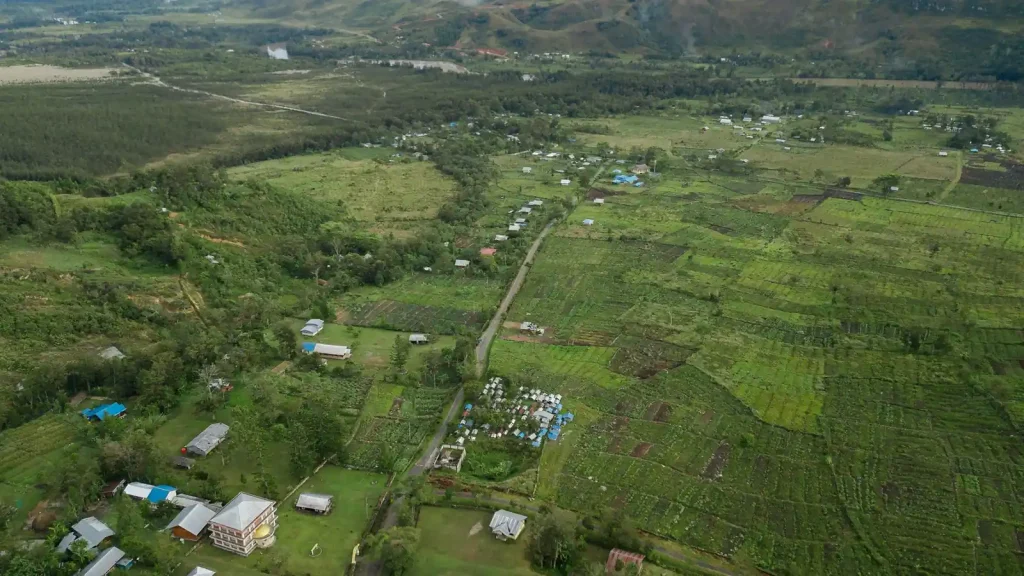
Geographically, the valley is impressive, stretching approximately 70–80 km in length and 15–20 km in width, encompassing an area of 1,272 square kilometers. Its altitude, ranging from 1,600–1,700 meters above sea level, contributes to a mild daytime climate, with night-time temperatures dropping to a cool 10–15°C. This distinct environment shapes the daily lives of its inhabitants and offers visitors a comfortable climate for exploration, particularly during the optimal travel season between March and August, or extending to September, which avoids the heaviest rainfall.
Accessibility to the Baliem Valley is exclusively by air, via Wamena Airport (WMX). Flights primarily originate from Jayapura (DJJ), served by carriers such as WingsAir and TriganaAir. This limited access, while contributing to the higher cost of goods in Wamena due to complex logistics (items are shipped to Jayapura, trucked to Sentani, and then flown in), also helps to regulate visitor numbers, supporting a more controlled and sustainable tourism model. Wamena itself, with a population of approximately 10,000–17,000, serves as the administrative and trading centre for the region.
Visitor Trends and Cultural Immersion
Historical visitor data provides a valuable perspective for 2027 projections. Foreign visitor numbers saw a substantial increase from 758 in 1988 to 6,000 in 1995, before a decrease to 1,000 in 2002. This fluctuation indicates sensitivity to external factors, but also a foundational interest that can be cultivated responsibly. The annual Baliem Valley Festival, typically held in August (e.g., August 8–11 in 2011), remains a significant draw. In 2009, approximately 400 foreign tourists attended, constituting 40% of the total festival attendance, primarily from Europe and Japan. This event is widely considered the best time for cultural visits, offering a profound insight into Dani traditions.
Travel packages, such as the Baliem Valley Cultural Festival option priced at up to Rp 16.2 million (approximately $1,000 USD) per person, reflect the specialised nature of tourism here. These packages often include comprehensive cultural experiences, guided treks, and interactions with local communities, ensuring that visitors gain a deep understanding of the region’s heritage.
Sustainable Tourism Principles for 2027
For 2027, the emphasis will continue to be on low-impact tourism that directly benefits local communities. This involves:
- Community-led initiatives: Supporting local guides, homestays, and craftspeople ensures economic benefits are distributed equitably.
- Cultural preservation: Encouraging respectful engagement with Dani, Yali, and Lani traditions, ensuring visitors understand and appreciate local customs without inadvertently disrupting them.
- Environmental protection: Promoting responsible trekking, waste management, and conservation efforts to maintain the valley’s pristine environment.
- Educational tourism: Offering opportunities for visitors to learn about the unique agricultural practices, social structures, and history of the Baliem Valley.
The higher cost of goods in Wamena, due to the complex supply chain, naturally translates to higher operational costs for tourism providers. However, this also reinforces the value of each visit, encouraging a more thoughtful and appreciative approach from tourists. Those planning such an expedition should also consider the broader logistics of travel within Indonesia, including bali customs clearance for any specific items they might need to declare upon entry into the country.
Projected Visitor Experience in 2027
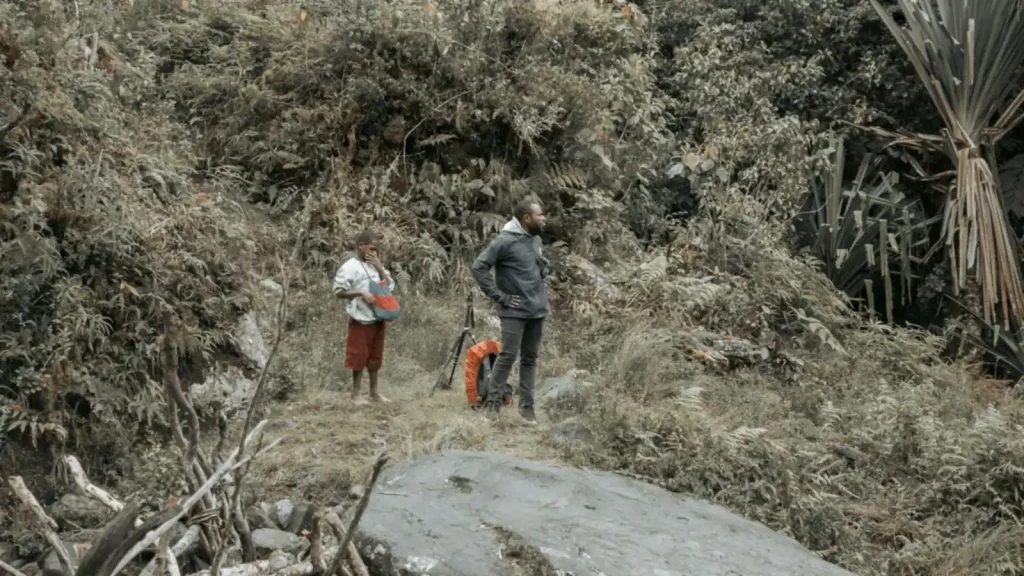
Visitors in 2027 can anticipate a highly curated experience. The focus will be on authentic interaction rather than mass tourism. Treks through the valley, visiting traditional villages, witnessing mummified ancestors, and participating in mock battles during the festival will form the core of the itinerary. Given the geographical spread and the various sub-tribes, an extended stay is often recommended to fully appreciate the diverse cultural landscape.
A typical Baliem Valley itinerary might include:
| Day | Activity | Highlights |
|---|---|---|
| 1 | Arrival in Wamena | Acclimatisation, local market visit |
| 2-3 | Trekking to Dani villages | Cultural demonstrations, traditional cooking |
| 4 | Exploring Kurulu & Jiwika | Ancient mummies, salt lake |
| 5 | Festival attendance (August) | Mock battles, traditional dances |
| 6 | Departure from Wamena | Last minute souvenir shopping |
This structured approach ensures visitors engage meaningfully while allowing for flexibility based on individual preferences and local conditions. The consistent mild temperatures, particularly the cooler nights, make for comfortable trekking conditions, provided one is adequately prepared for varying terrain.
Challenges and Opportunities for 2027
Challenges for 2027 include maintaining the delicate balance between increasing visitor numbers and preserving cultural integrity and the natural environment. Infrastructure development, while necessary for accessibility, must be carefully managed to avoid over-commercialisation. Opportunities lie in further developing niche tourism markets, such as birdwatching, ethnographic studies, and adventure trekking, which align with the valley’s unique offerings and attract visitors who are already predisposed to responsible travel practices.
The commitment to sustainability in Baliem Valley tourism is not merely a trend but a necessity. By focusing on community benefits, cultural preservation, and environmental stewardship, the valley can continue to offer profound and authentic experiences for visitors in 2027 and beyond, ensuring its unique heritage remains intact for future generations.
What is the best time to visit Baliem Valley in 2027?
The optimal period to visit Baliem Valley in 2027 is between March and August, or extending to September, to avoid heavy rains. August is particularly recommended for those wishing to attend the annual Baliem Valley Festival, which offers significant cultural immersion.
How accessible is Baliem Valley for tourists in 2027?
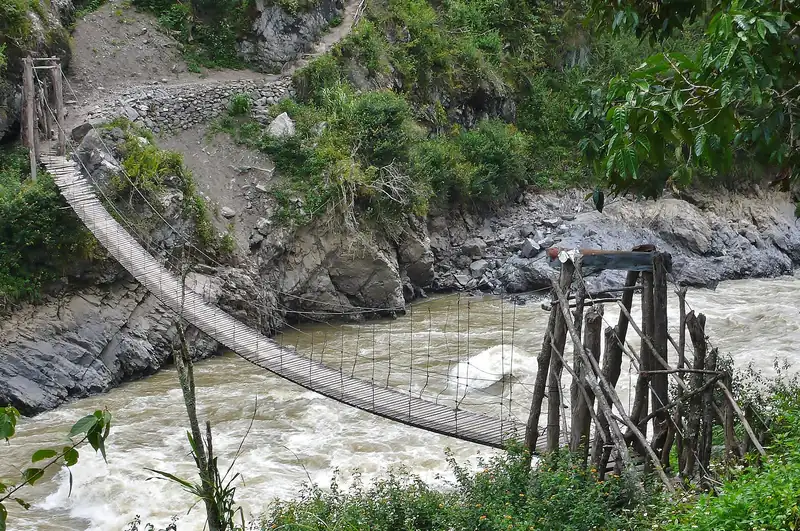
Baliem Valley remains accessible exclusively by plane via Wamena Airport (WMX). Flights originate from Jayapura (DJJ) and are served by airlines such as WingsAir and TriganaAir. Ground travel within the valley often involves trekking to reach remote villages.