
On this page
- 01Baliem Valley at a glance: why ethics matter here
- 02What makes a Baliem Valley cultural tour operator “ethical”?
- 03Examples of locally rooted and partnership-minded operators
- 04How festival-focused tour operators can share benefits fairly
- 05Typical price structures and how money can stay in Baliem Valley
- 06Designing itineraries that respect village life
- 07How travelers can identify and support ethical operators
Baliem Valley at a glance: why ethics matter here
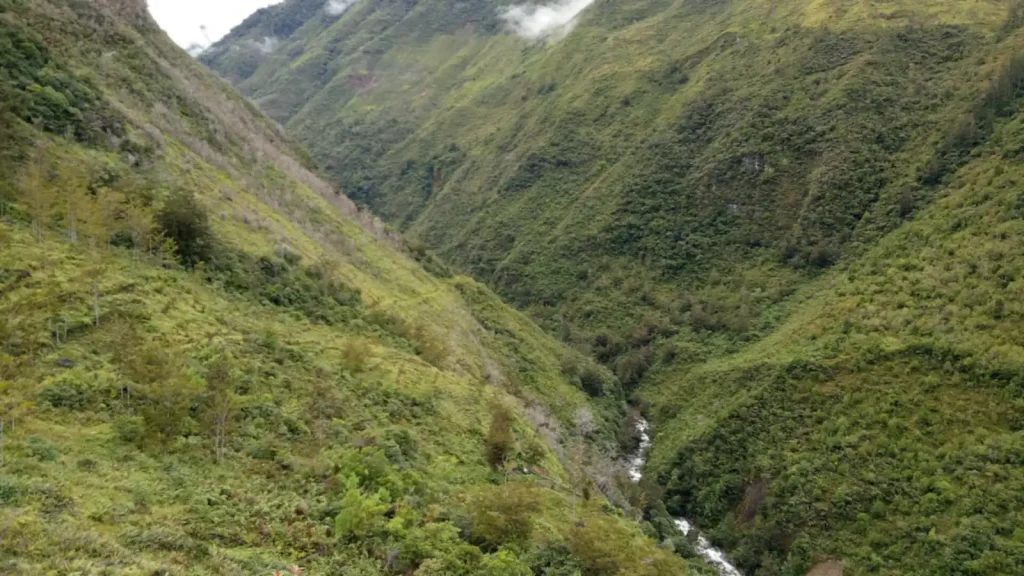
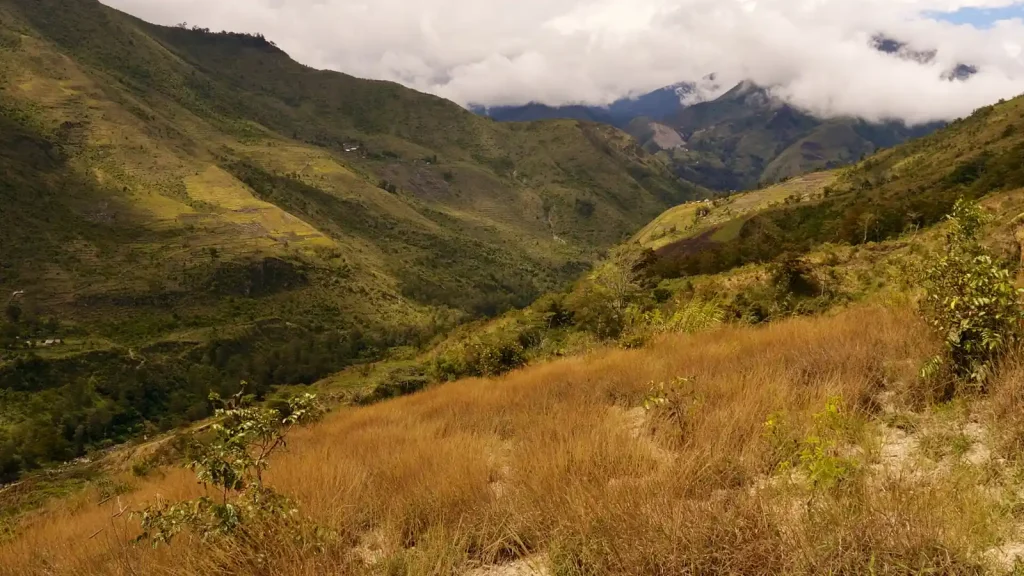
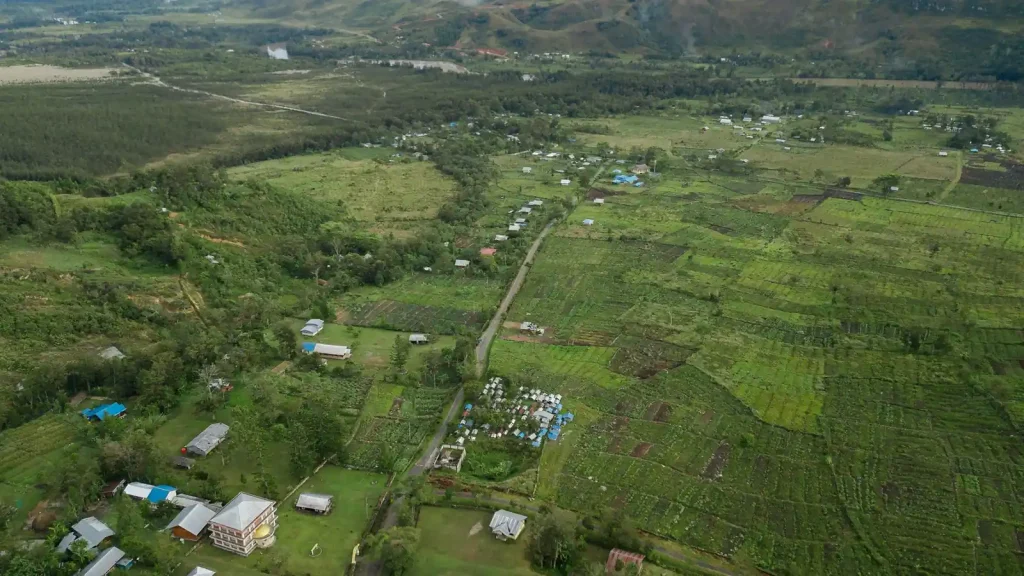
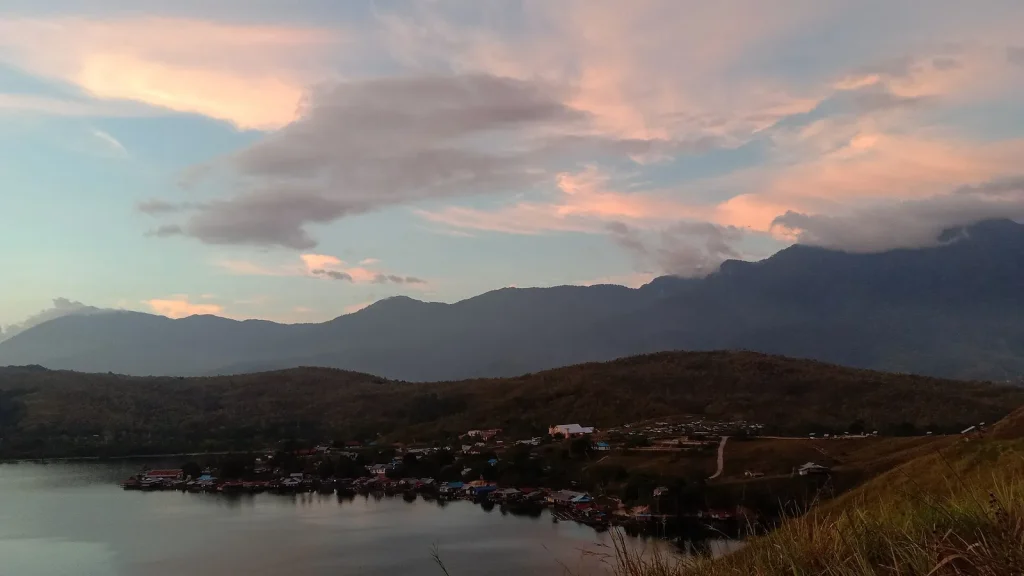
Baliem Valley, sometimes called the Grand Valley, sits around 1,600 meters above sea level in the mountains of central Papua, with Wamena as its main town and gateway for visitors.[4] The valley is home to Dani, Lani, Yali, and other Papuan communities whose subsistence farming, pig husbandry, and adat-based social structures are still central to daily life.[4][5] Because much of the tourism here focuses on “traditional culture” and staged rituals, choosing cultural tour operators that build ethical local partnerships is crucial to avoid exploitation and cultural distortion.
What makes a Baliem Valley cultural tour operator “ethical”?
In Baliem Valley, an ethical cultural tour operator is defined less by glossy branding and more by how it engages with Dani, Lani, and Yali communities on the ground. Key indicators include:
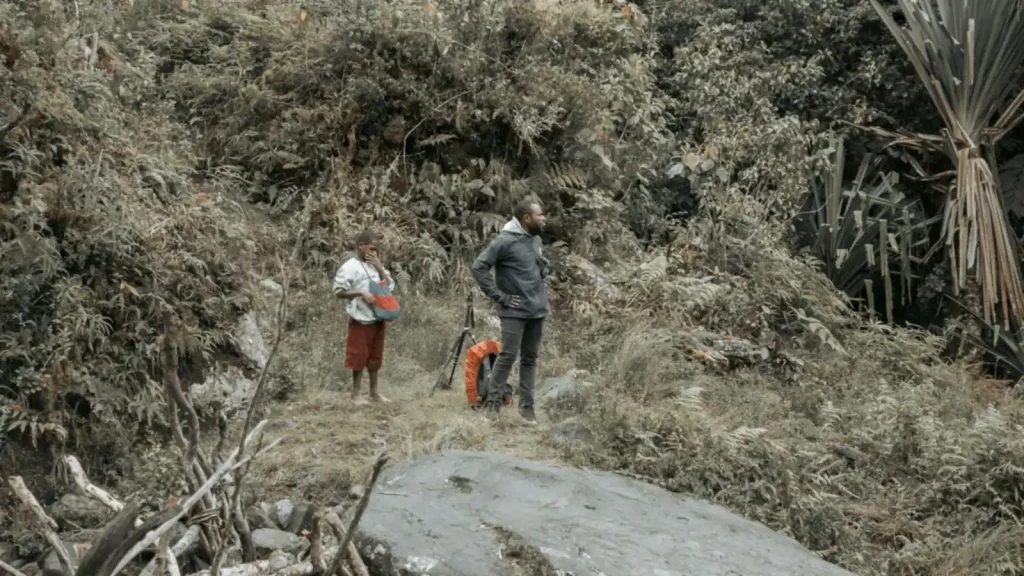
First, genuine local employment and leadership. Reputable operators base their operations in Wamena and work with Papuan guides who have years of experience in the valley rather than flying in outside staff.[3][7] This means hiring Dani or other Papuan guides, porters, cooks, and drivers on fair contracts, and allowing them to co-design itineraries and interpret their own culture during village visits and treks.
Second, transparent, community-agreed fees. Many tours include visits to traditional hamlets, mummy houses, and pig festivals where local families expect payment for performances, photos, and access.[1][2][5] Ethical operators negotiate these fees openly with village leaders, pay in full and on time, and explain line items to travelers so it is clear how much goes to local households.
Third, respect for adat and consent. In some villages, certain rituals, houses, or sacred objects should not be photographed or touched without permission. Ethical operators brief travelers carefully about dress, behavior, and photography, and adjust itineraries if elders express concern. They avoid pushing for performances in times of mourning, planting, or harvest.
Fourth, small group sizes and low-impact logistics. Cultural tours often involve easy day walks between hamlets or short treks across the Grand Valley.[1][4] Ethical operators keep groups small, use local transport, and ensure waste is packed out rather than left in villages or along trails.
Examples of locally rooted and partnership-minded operators
Several operators and initiatives illustrate what ethical local partnerships can look like, even when their marketing language may focus on adventure or culture rather than sustainability.
One category consists of Wamena-based guides who have become independent operators after years of experience. For example, Baliem Valley tour guides who grew up in local villages and now run small agencies offer cultural tours, walking tours, and festival trips with strong local networks across Dani and Lani communities.[3][6][7] Because they are embedded in the valley, they have long-term relationships with headmen, dancers, and pig owners, which encourages more balanced negotiations over performance fees and compensation.
Another category consists of external agencies that invest in local partnerships and sustainability policies. Some Indonesia-wide adventure companies that sell Baliem Valley Festival packages explicitly state sustainability goals, such as minimizing environmental impact and promoting sustainable management with local partners and suppliers.[5] This often translates into hiring Papuan guides, coordinating with festival committees in Wamena, and using existing guesthouses rather than building intrusive new accommodations.
Finally, specialist Papua-focused operators offer multi-day cultural itineraries that include stays at local resorts or homestays in the valley, combined with guided day walks to Dani hamlets, Lake Habbema, and pig festivals.[1][4] When these operators cap group sizes at around 6 people and build repeat business with the same villages year after year, communities can plan around the income and maintain control over which rituals they share.
How festival-focused tour operators can share benefits fairly
The annual Baliem Valley Festival in Wamena, usually held in August, brings together multiple highland tribes for mock battles, war dances, pig races, and cultural demonstrations in front of hundreds of spectators.[2][4][5][8] Many international and Indonesian operators package this event into 4–6 day cultural tours that mix festival days with village visits and local sightseeing.[2][5]
To make festival tourism ethical, operators can:
Ensure direct payments to performers and villages. Each group that stages war simulations or pig cooking invests time, pigs, and materials to attend the festival grounds.[5] Where possible, operators should channel a portion of tour fees directly to participating groups or village committees, rather than only paying centralized agencies.
Avoid price gouging while preserving fair local wages. Some foreign agencies sell festival packages at around USD 1,000–2,000 per person for 5 days, depending on group size, while Indonesian operators have offered budget packages to Baliem Valley Festival with transport, lodging, and full-board at around USD 890 for a group of five (approximately IDR 14,500,000–15,000,000 at IDR 16,500–17,000 per USD).[2] Clear cost breakdowns help travelers understand that domestic flights to Wamena, permits, accommodation, and local staff wages account for a large portion of the price, while also revealing whether markups are excessive.
Support off-season income. Festival performers often rely on seasonal tourism around August. Partner operators can commission smaller cultural demonstrations in villages at other times of year, on terms agreed with local leaders, to smooth income over the March–September high season and reduce pressure to over-perform during the festival alone.[4][5]
Typical price structures and how money can stay in Baliem Valley
Cultural tours in Baliem Valley vary widely in price depending on trip length, flights, and comfort level, but several patterns are common.
First, domestic flights and logistics are a major cost driver. Reaching Wamena usually involves internal flights from larger Papuan hubs, and some packages bundle these tickets with accommodation, guides, and festival entry.[2] A 5-day festival budget tour with Indonesian operators has been reported at around USD 890 (roughly IDR 14,500,000–15,000,000) for a group of five, including local flights, guesthouse accommodation, meals, water, entrance tickets, guide, and driver.[2] Ethical operators clearly separate flight costs from local service costs so travelers see how much remains in the valley.
Second, accommodation in Wamena or within the valley ranges from simple guesthouses and small hotels to dedicated valley resorts.[1][2][4] Nightly rates can be structured so a meaningful share is paid to Papuan-owned properties, not only to external owners. Tourists can ask if their guesthouse is locally owned, or if homestays are available in Dani villages for parts of the trip.
Third, fair wages for guides and porters are non-negotiable. Because walking tours across the Grand Valley can be easy in terms of terrain but logistically complex in terms of navigation and village relations, Papuan guides and porters are indispensable.[1][4][7] Ethical pricing models budget realistic daily rates in both USD and IDR so guides are not forced to push for extra photo fees or aggressive souvenir sales.
Fourth, village access and performance fees should be clearly listed. Visiting a mummy, staging a pig cooking, or organizing a mock battle involves direct costs to villagers, including sacrificing pigs and taking time away from gardens.[2][5] Operators can show line items such as “village visit and mummy fee: IDR X (approx. USD Y)” and explain how much goes to families and how much covers logistics.
Designing itineraries that respect village life
Ethical cultural tour operators in Baliem Valley design itineraries that balance traveler curiosity with village rhythms. A typical 5–6 day cultural trip might include two or three full-day walks through Dani hamlets, one day at Lake Habbema, and a day focused on a traditional pig festival or cultural show.[1][4][5]
To keep these experiences respectful, operators:
Limit the number of hamlet visits per day to avoid turning any single village into a constant performance venue. This gives households time to work their fields, attend church, or rest, instead of performing multiple times for different groups.
Coordinate timing with community leaders. Planting and harvest periods, as well as local ceremonies, can make certain days inappropriate for tourism. Papuan guides who are part of the community are best placed to check when it is suitable to visit or to hold a small cultural show.
Set clear expectations about photos and interaction. In some parts of the valley, villagers have become used to photography; in others, elders may prefer limits. Ethical operators encourage travelers to ask permission, avoid intrusive close-ups of children, and offer printed photos on return visits when possible.
How travelers can identify and support ethical operators
Travelers researching “Baliem Valley cultural tour operators for ethical local partnerships” can use several practical checks before booking.
Look for evidence of local leadership. Websites, reviews, or videos that introduce named Papuan guides from Wamena, explain their background, and show them leading tours, signal that local people are central to the business rather than token staff.[3][6][7]
Ask direct questions about revenue sharing. Travelers can email operators to ask what percentage of tour fees typically ends up in Baliem Valley, whether village fees are set through community discussions, and whether local staff are salaried or paid per trip.
Check group sizes and itinerary flexibility. Operators who cap groups at 6–8 participants on cultural walks and are willing to adjust plans based on village feedback are more likely to be respectful partners than those pushing large, rigid package tours.[1][4]
Prioritize companies with clear sustainability or ethical statements. When an operator describes working with local partners and suppliers to foster sustainable management and minimize environmental impact, and this is reflected in their pricing, staffing, and itineraries, it indicates a conscious approach rather than accidental good practice.[5]
By combining these checks with a preference for Papuan-led guiding services and transparent, IDR-based village payments, travelers can help ensure that cultural tours in Baliem Valley strengthen, rather than erode, the social and cultural fabric that makes this highland valley so distinctive.
Updated July 4, 2026