On this page
- 01Understanding the Unique Geography and Climate
- 02Wamena: The Valley’s Economic and Administrative Hub
- 03Evolution of Visitor Trends and Cultural Festivals
- 04The Economic Realities of Travel in Baliem Valley
- 05Sustainable Tourism Initiatives for 2027 and Beyond
- 06Preserving the Dani, Yali, and Lani Heritage
In 2027, Baliem Valley anticipates continued growth in sustainable tourism, focusing on preserving the Dani, Yali, and Lani cultures. Projections suggest a steady increase in visitor numbers beyond 2002 levels, with a strong emphasis on community-led initiatives and environmentally conscious travel practices.
As we approach 2027, the Baliem Valley in Papua, Indonesia, stands at a pivotal juncture for tourism development. This region, home to an estimated 100,000 to 400,000 Dani people, including the Yali and Lani sub-tribes, is renowned for its profound cultural heritage and dramatic landscapes. With its primary access point being Wamena Airport (WMX), connecting through Jayapura (DJJ), the valley remains a destination for those seeking genuine cultural immersion. The focus for 2027 is increasingly shifting towards sustainable tourism models that prioritise cultural preservation and community benefit, learning from past visitor trends to shape a more resilient future.
Understanding the Unique Geography and Climate
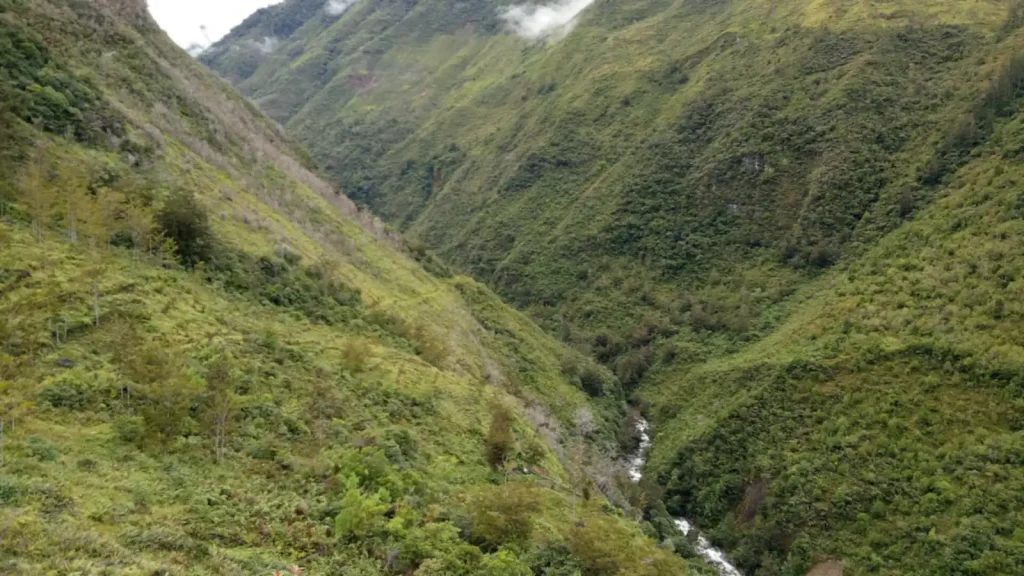
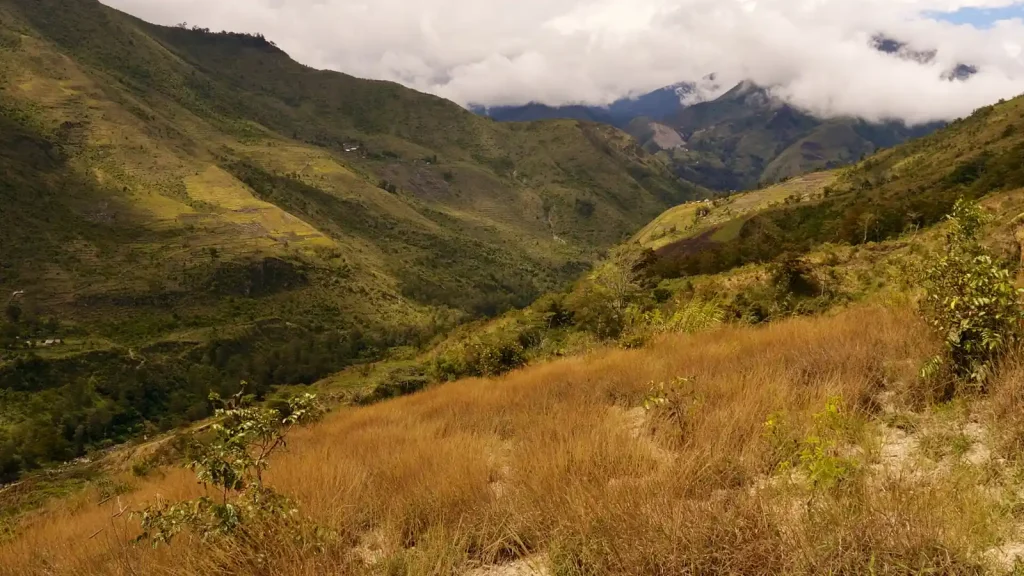
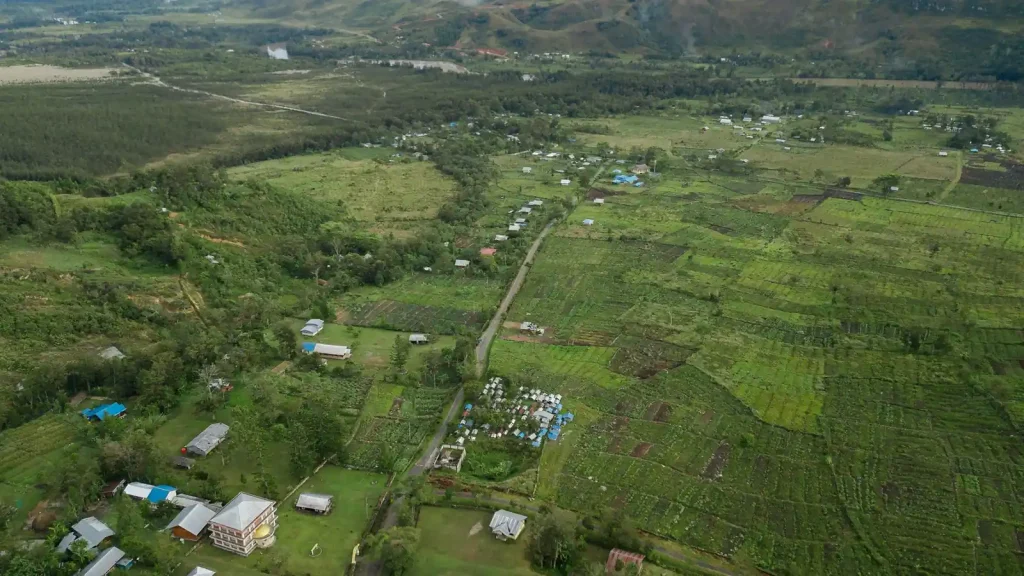
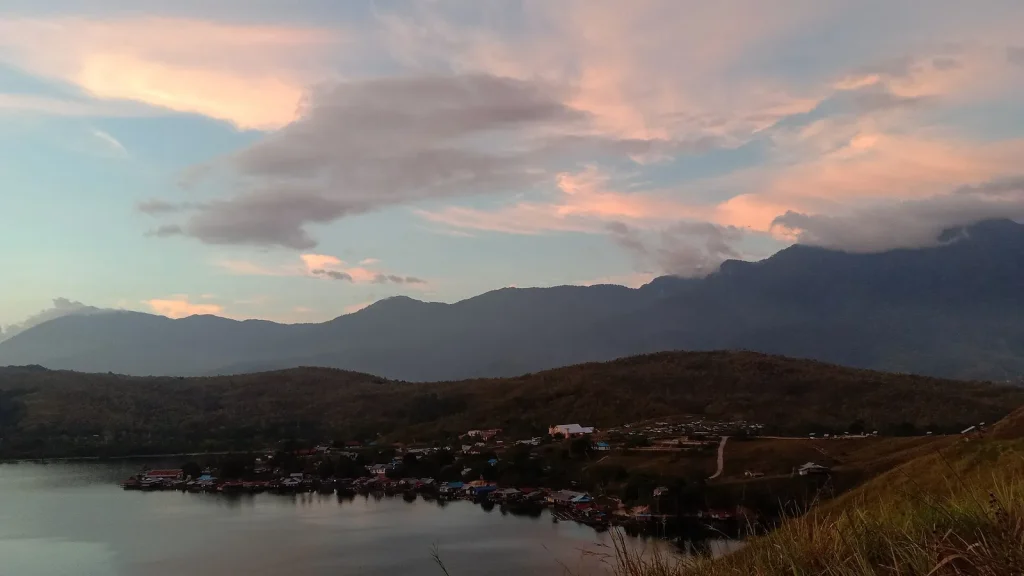
The Baliem Valley, approximately 70–80 km long and 15–20 km wide, encompasses an area of 1,272 square kilometres. Situated at an altitude of 1,600–1,700 metres above sea level, it enjoys mild daytime temperatures, with nights cooling to 10–15°C. This temperate climate, particularly between March and August, offers the most favourable conditions for trekking and cultural excursions, avoiding the heaviest rainfall periods. Understanding these geographical and climatic nuances is crucial for both visitors and tourism operators in planning itineraries that respect the environment and local way of life. The region’s distinct environment dictates much of the daily rhythm for the local inhabitants, from agricultural practices to traditional ceremonies, all of which are increasingly becoming focal points for cultural tourism.
Wamena: The Valley’s Economic and Administrative Hub
Wamena, with its population of approximately 10,000–17,000, serves as the administrative and trading centre of the Baliem Valley. Its role as the primary entry point means that all goods, from essential supplies to tourist provisions, must navigate a complex logistical chain: shipped to Jayapura, trucked to Sentani, and then flown into Wamena. This intricate process contributes to the relatively high cost of goods within the town. For 2027, efforts are underway to streamline some of these logistics, potentially impacting the local economy and making the valley more accessible for both residents and visitors. Improvements in infrastructure around Wamena, while maintaining its unique character, are a key consideration for sustainable development.
Evolution of Visitor Trends and Cultural Festivals
The history of tourism in Baliem Valley presents a fascinating trajectory. Foreign visitor numbers experienced a substantial increase from 758 in 1988 to 6,000 in 1995, before declining to 1,000 in 2002. This fluctuation underscores the sensitivity of the region to external factors and the need for carefully managed tourism. The annual Baliem Valley Festival, typically held in August (e.g., August 8–11 in 2011), remains a significant draw. In 2009, approximately 400 foreign tourists, predominantly from Europe and Japan, attended, making up 40% of the total attendees. For 2027, projections indicate a concerted effort to attract a diverse international audience while maintaining a manageable number of visitors to ensure the authenticity and integrity of the cultural experience. The festival serves as a critical platform for cultural exchange and economic benefit for the local communities.
To illustrate the historical visitor numbers and festival attendance, consider the following data:
| Year | Foreign Visitors (Annual) | Festival Attendance (Foreigners) |
|---|---|---|
| 1988 | 758 | N/A |
| 1995 | 6,000 | N/A |
| 2002 | 1,000 | N/A |
| 2009 | N/A | 400 |
These figures highlight the potential for growth and the importance of strategic planning to maintain a steady and sustainable flow of visitors, especially around key cultural events like the festival.
The Economic Realities of Travel in Baliem Valley
Travel in the Baliem Valley, while incredibly rewarding, comes with specific economic considerations. A Baliem Valley Cultural Festival package, for instance, can cost up to Rp 16.2 million (approximately $1,000 USD) per person. These costs reflect the logistical challenges and the value placed on authentic cultural experiences. In 2027, the aim is to ensure that a significant portion of these tourism revenues directly benefits the local communities, fostering economic independence and providing incentives for cultural preservation. This includes supporting local guides, homestays, and craftspeople. Transparency in pricing and clear communication about what these costs cover are essential for attracting conscientious travellers. Visitors should also be aware of the bali customs clearance processes which, while not directly related to Baliem Valley, are an integral part of travelling to Indonesia and can impact overall travel planning and expenses.
Sustainable Tourism Initiatives for 2027 and Beyond
Looking ahead to 2027, sustainable tourism in Baliem Valley is not merely a concept but a practical framework for development. This involves several key strategies:
- Community-Based Tourism: Empowering local communities to manage and benefit directly from tourism, ensuring that cultural practices are respected and livelihoods are improved.
- Environmental Stewardship: Implementing practices that minimise ecological impact, such as waste management initiatives and responsible trekking guidelines.
- Cultural Education: Providing visitors with deeper insights into the Dani, Yali, and Lani cultures through guided interactions, workshops, and respectful observation of traditional life.
- Infrastructure Development: Carefully planned improvements to local amenities and transportation that do not compromise the valley’s unique character.
- Visitor Management: Strategies to manage visitor numbers, particularly during peak festival times, to prevent over-tourism and preserve the integrity of cultural sites.
These initiatives are crucial for building a resilient tourism sector that safeguards the valley’s distinct heritage for future generations. The delicate balance between welcoming visitors and protecting ancient traditions requires continuous dialogue and collaboration between local communities, government bodies, and tour operators.
Preserving the Dani, Yali, and Lani Heritage
The cultural richness of the Dani, Yali, and Lani peoples is the primary draw for many visitors to the Baliem Valley. Their traditional farming methods, unique architecture, and vibrant ceremonies offer an glimpse into a way of life that has largely remained unchanged for centuries. In 2027, there will be an increased focus on initiatives that directly support the preservation of these cultures. This includes funding for cultural education programmes for younger generations, documentation of oral histories, and support for traditional crafts. Visitors are encouraged to engage respectfully, understanding that they are guests in a living cultural landscape. The aim is to create experiences that are not just observational but deeply enriching for both the visitor and the host community, fostering mutual respect and understanding.
What is the best time to visit Baliem Valley in 2027?
The optimal period to visit Baliem Valley in 2027 is between March and August, or extending to September, to avoid the heaviest rainy seasons. August is particularly recommended for those interested in attending the annual Baliem Valley Cultural Festival, which offers a unique opportunity to experience local traditions and ceremonies.
How can visitors ensure their trip is sustainable and benefits local communities?
Visitors can ensure their trip is sustainable by choosing tour operators committed to ethical practices, hiring local guides, staying in community-run accommodations, purchasing local crafts directly from artisans, and engaging respectfully with local customs. Supporting initiatives that channel tourism revenue directly back into community development and cultural preservation efforts is also crucial.