Skip to content
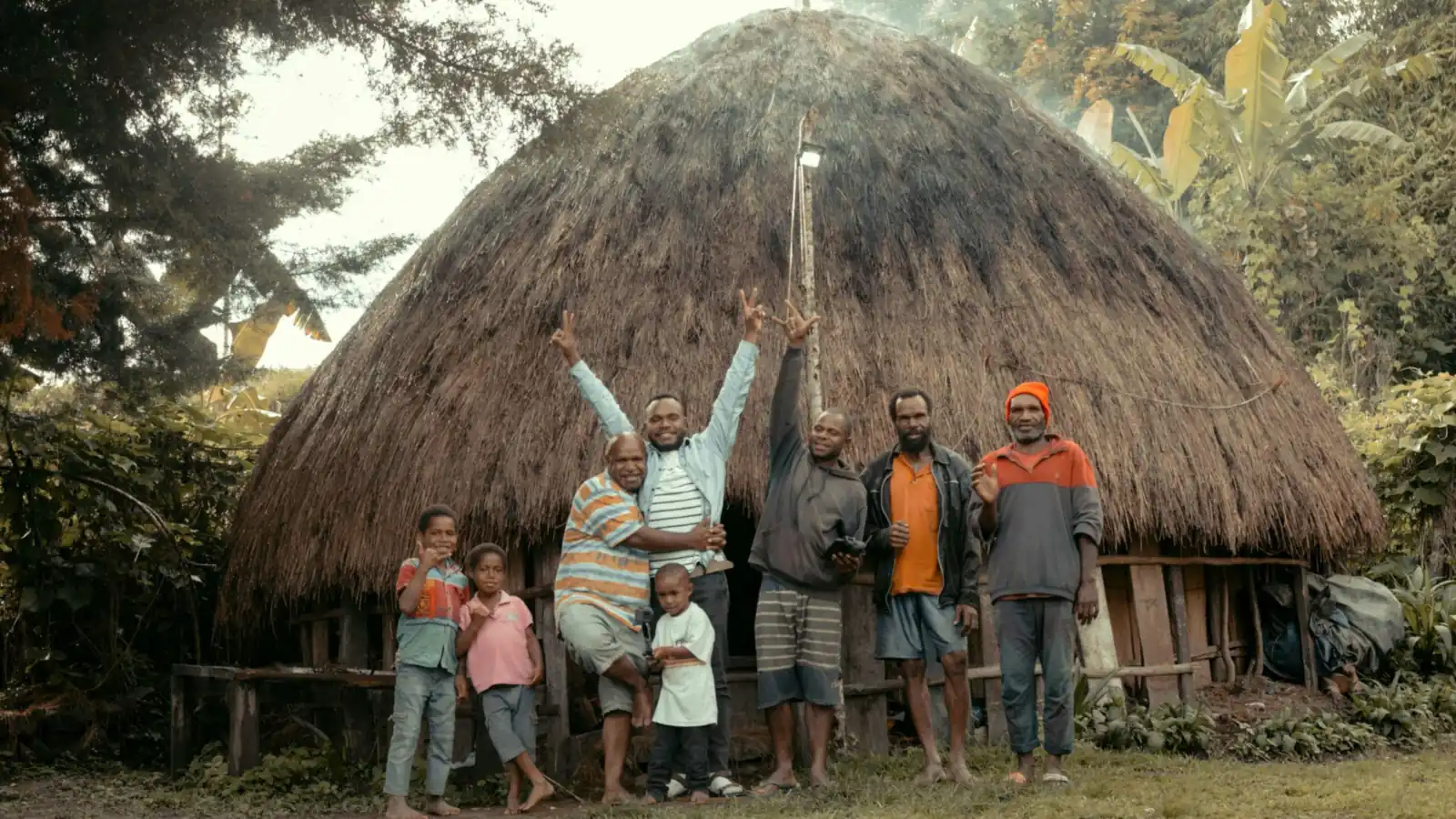
Dani family in front of a honai near Wamena

Culture · Baliem briefing

The Dani of the Baliem Valley

The valley’s largest indigenous group — farmers, builders and pig-keepers whose traditions remain strong today.

In the central highlands of Papua, the Dani keep one of Indonesia’s most intact traditional societies. This briefing follows how they grow food, build their homes, use pigs to bind families together and hold old and new beliefs side by side — and how to visit with respect.

250,000

Dani, approx.

4–6 m

Honai diameter

3–5 yrs

Garden before fallow

1950s

Missions arrive

The Long Read

Five threads of Dani life

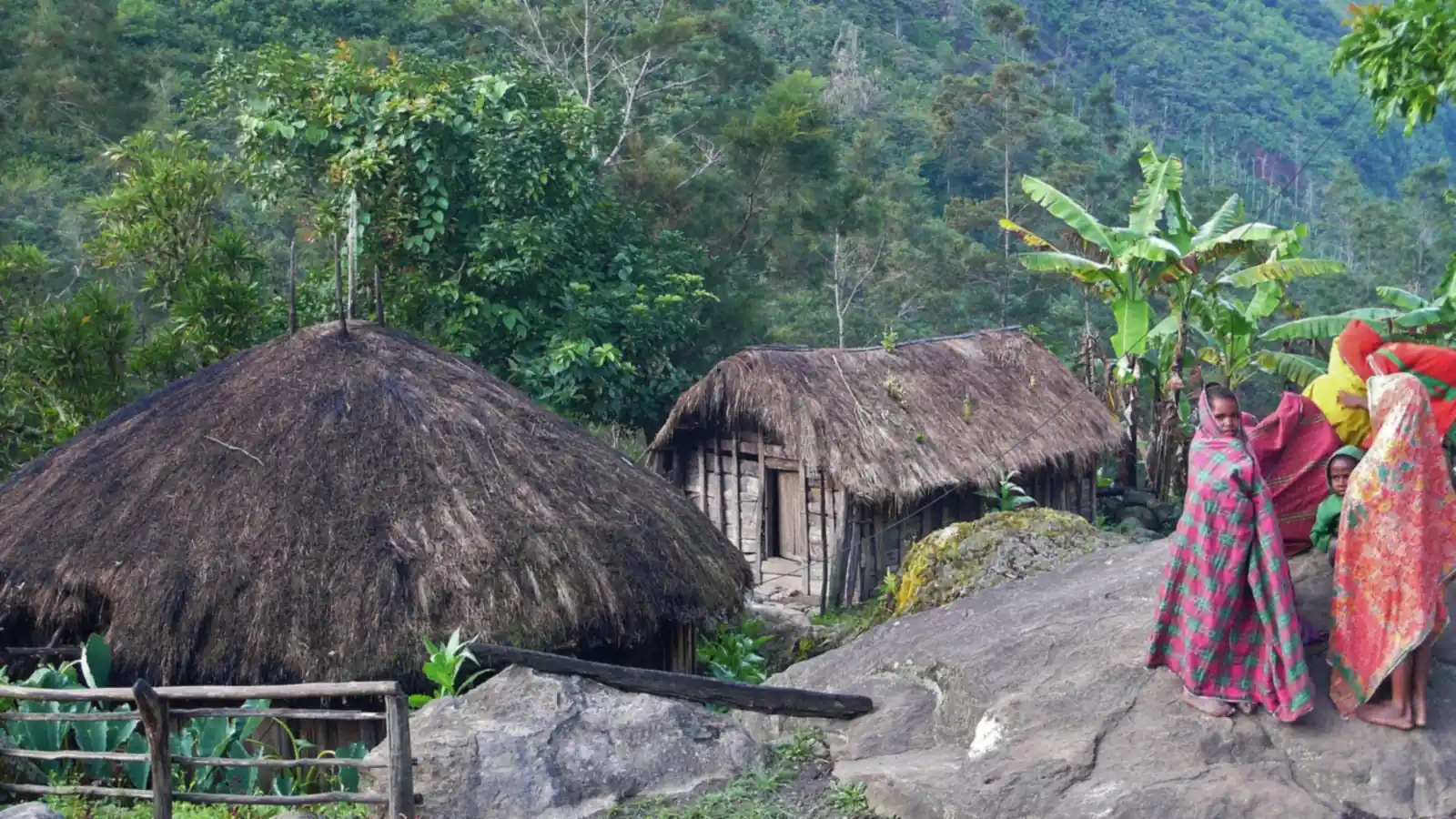
Residents among honai houses in a highland village
01

Overview

The largest group in the valley

The Dani are the largest indigenous group in the Baliem Valley, with roughly 250,000 people across Papua’s central highland valleys.

They speak the Dani language, distinct from coastal Indonesian languages, and keep long-held agricultural, ceremonial and architectural traditions.

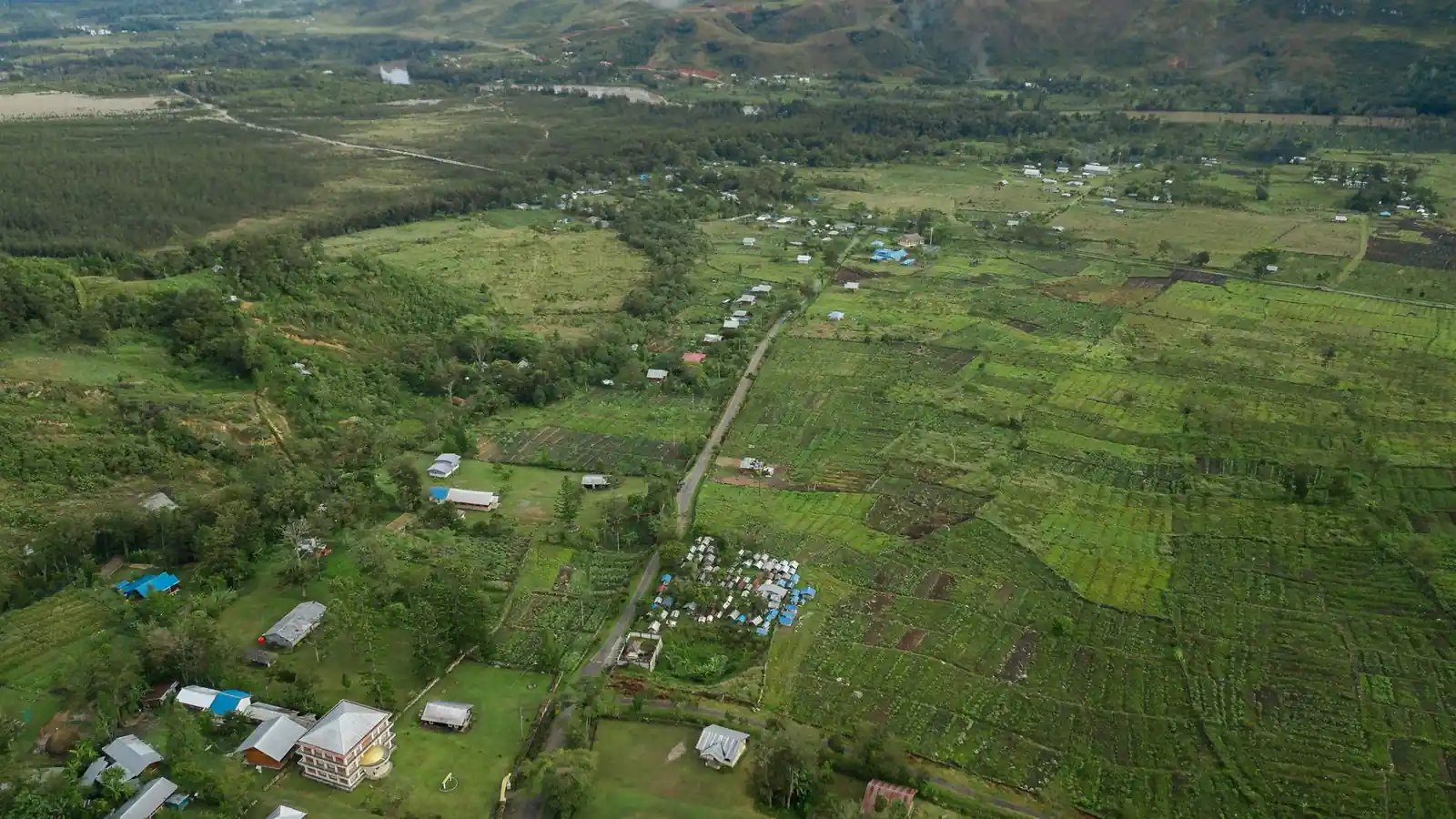
Aerial view of gardens and villages in the valley near Wamena
02

Agriculture

Sweet potato gardens

Dani farming centres on the sweet potato. The terraced gardens on the valley walls are family-owned and passed down through inheritance.

Fields are worked for 3–5 years, then left fallow for 5–10 years to restore the soil. Several varieties suit different elevations and uses, and the system feeds the Dani without outside food inputs.

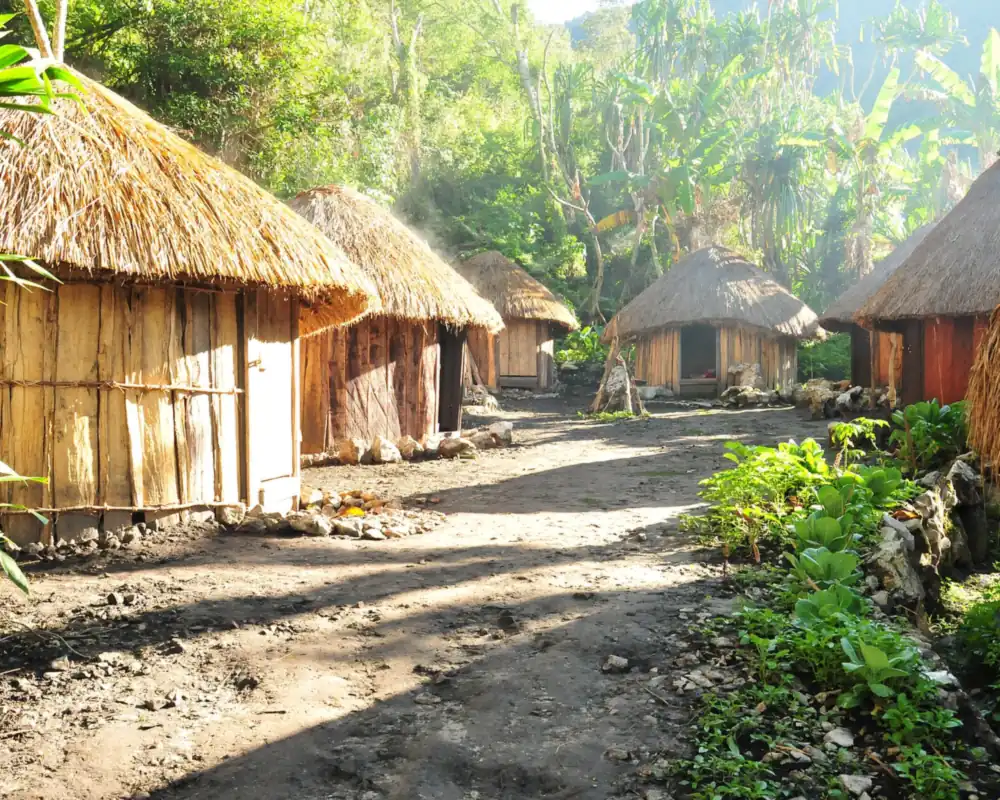
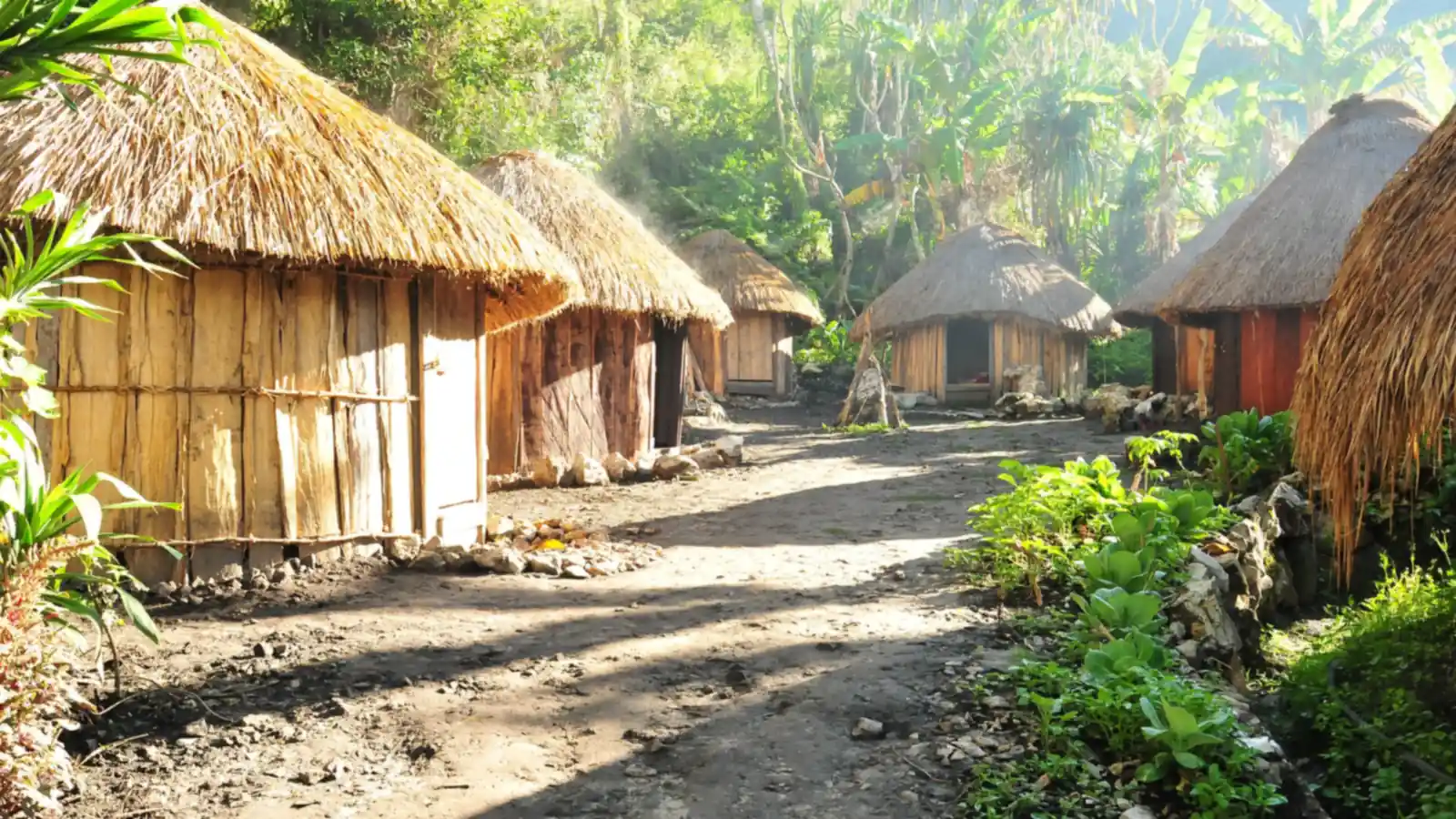
Thatched honai houses along a village lane
03

Architecture

The honai house

Honai are round thatched houses 4–6 m across, built from local materials: a wood frame, an alang-alang grass roof and a packed earth floor.

They are gendered. Each compound has a men’s honai, the gathering space, and a women’s honai for cooking and family life. Visitors need to understand the difference.

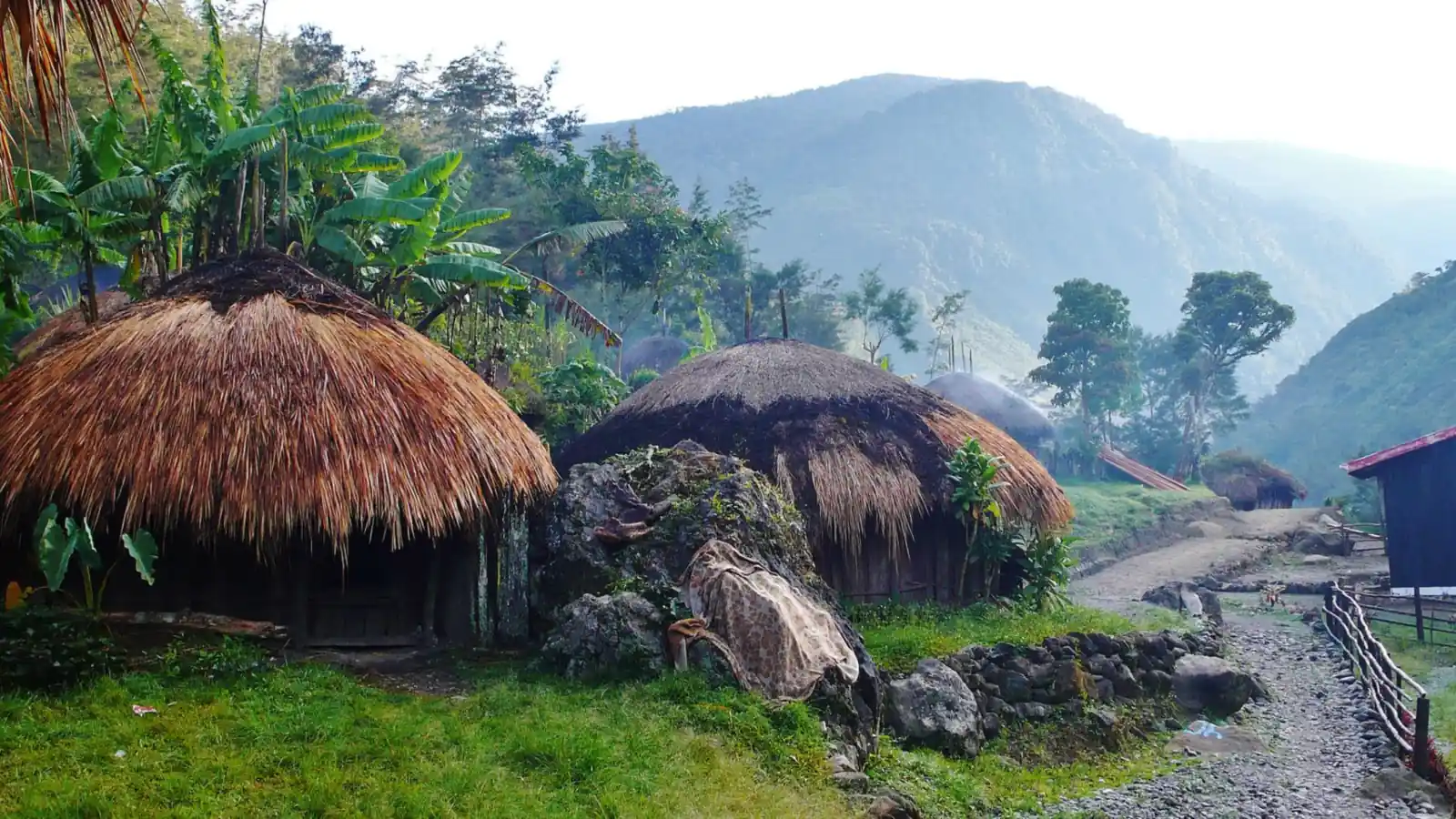
Morning haze over a honai village in the Baliem Valley
04

Exchange

Why pigs matter

Pigs are central to Dani life. The bride price at a marriage is paid in pigs, pig sacrifices honour the dead at funerals, and compensation in pigs ends disputes.

The Dani keep specific breeds with their own care techniques. A village visit may coincide with a pig festival — photograph it only with explicit permission.

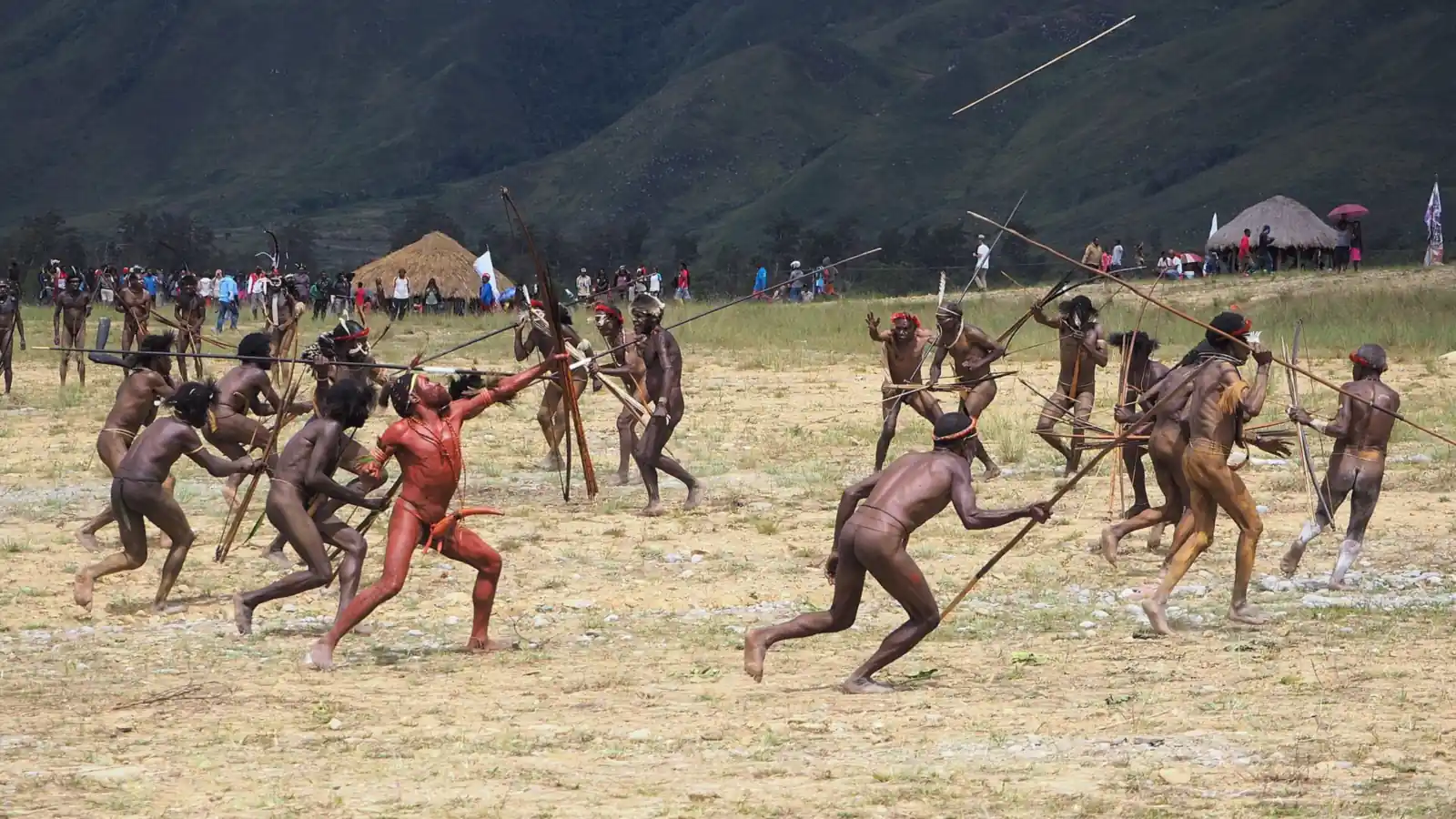
Mock battle staged at the Baliem Valley Festival
05

Today

Modern Dani identity

Most Dani today are formally Christian, mainly Reformed Protestant — a legacy of Dutch missionary work since the 1950s — yet keep traditional practices alongside their faith.

The culture is intact but evolving. A respectful visit recognises both the deep tradition and the contemporary identity.

The cultural integrity is intact but evolving — visiting requires recognising both the deep tradition and the contemporary identity.
Baliem Valley Highlands Society

Cultural Respect

How to visit a Dani village

Simple protocols that keep every village visit respectful.

Do

  • Introduce yourself through your local guide.
  • Ask before entering a honai, and before taking any photograph.
  • Dress modestly, with knees and shoulders covered.
  • Bring small gifts — $20–30 in cash, fabric markers or English-language children’s books.
  • Learn a few Indonesian phrases; they are appreciated.

Don’t

  • Don’t ignore the separate men’s and women’s honai — respect the gendered spaces.
  • Don’t touch sacred objects, such as pig bones or ancestral items, without explicit permission.
  • Don’t photograph pig festivals or ceremonies without explicit permission.

Dani FAQ

Questions about the Dani

Short answers before your first village visit.

01 Who are the Dani?

The largest indigenous group in the Baliem Valley — roughly 250,000 people across Papua’s central highland valleys, speaking their own Dani language.

02 What is a honai?

A round thatched house 4–6 m across, with a wood frame, grass roof and earth floor. Each compound has a men’s honai for gathering and a women’s honai for cooking and family.

03 Why are pigs so important?

Pigs pay the bride price at marriages, are sacrificed to honour the dead, settle disputes as compensation and mark major ceremonies.

04 Are the Dani Christian?

Most are formally Christian, mainly Reformed Protestant after Dutch missionary work from the 1950s, and keep traditional practices alongside their faith.

05 What gifts should I bring?

Small ones: $20–30 in cash, fabric markers or English-language children’s books. Your guide will introduce you first.