On this page
In 2027, Baliem Valley continues to offer profound cultural immersion, attracting visitors keen on authentic encounters with the Dani, Yali, and Lani peoples. With a population between 100,000 and 400,000, the valley remains accessible solely by air via Wamena, maintaining its distinct character and limiting mass tourism.
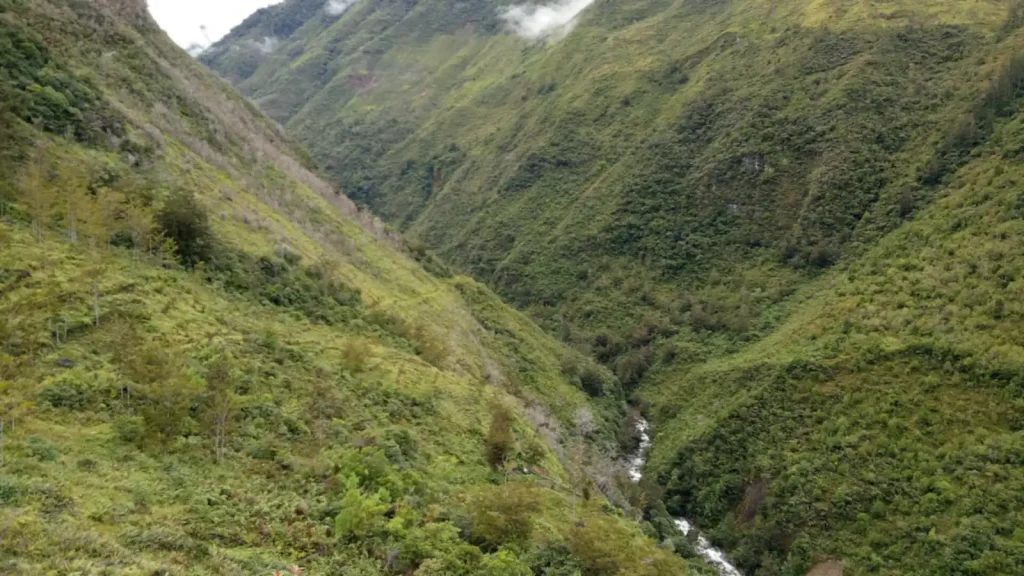
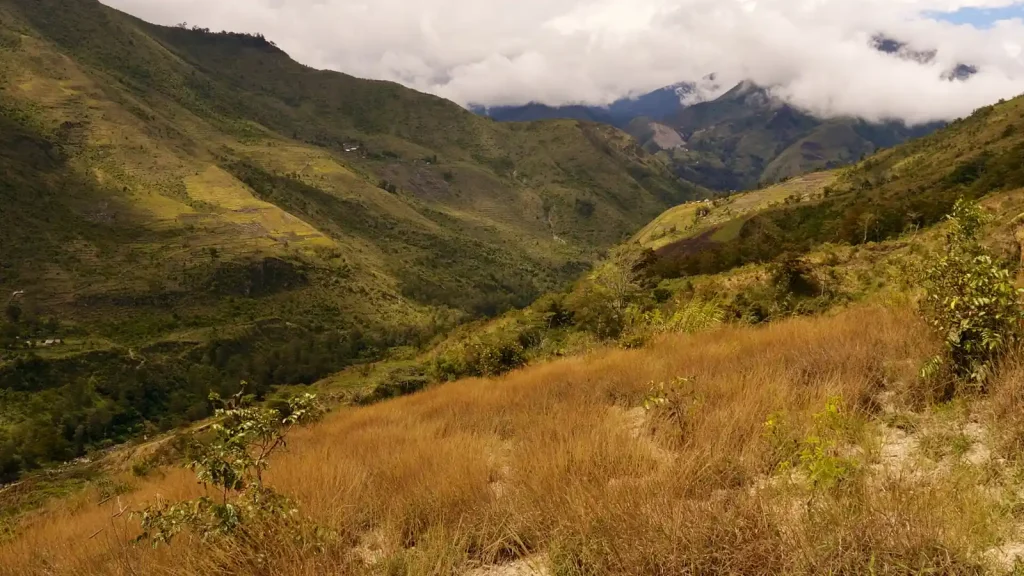
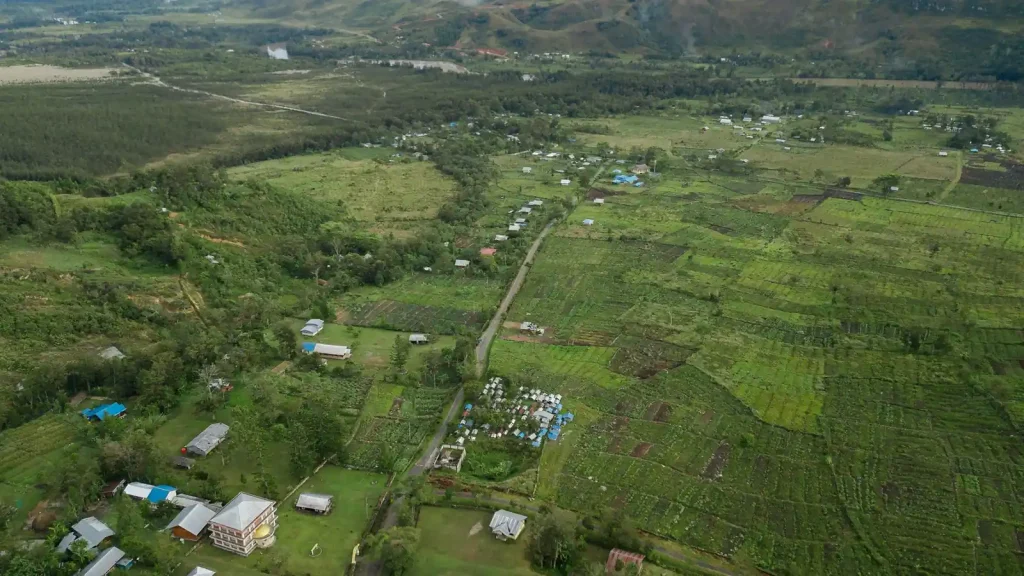
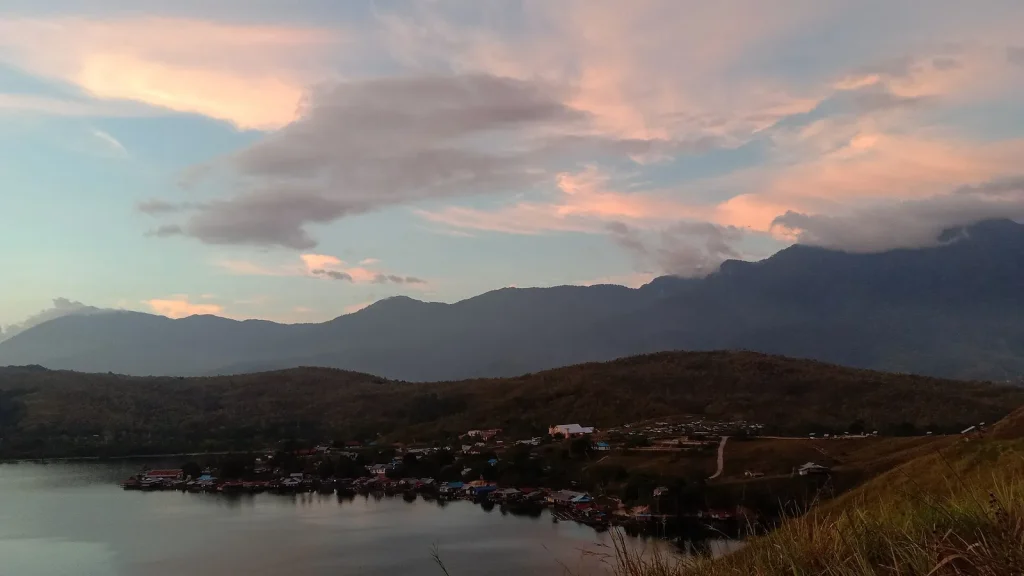
As we advance into 2027, the Baliem Valley in Papua, Indonesia, stands as a compelling destination for those seeking a profound cultural experience rather than a conventional holiday. This extraordinary region, home to an estimated 100,000 to 400,000 Dani people, including the Yali and Lani sub-tribes, continues to captivate. Its geographical isolation, a valley approximately 70–80 km long and 15–20 km wide, covering 1,272 square kilometers, ensures that any visit is a deliberate journey into a distinct way of life. The altitude, ranging from 1,600–1,700 meters above sea level, provides a temperate climate, with nighttime temperatures comfortably dropping to 10–15°C, offering a refreshing contrast to much of Indonesia.
Accessing Baliem Valley in 2027: A Controlled Journey
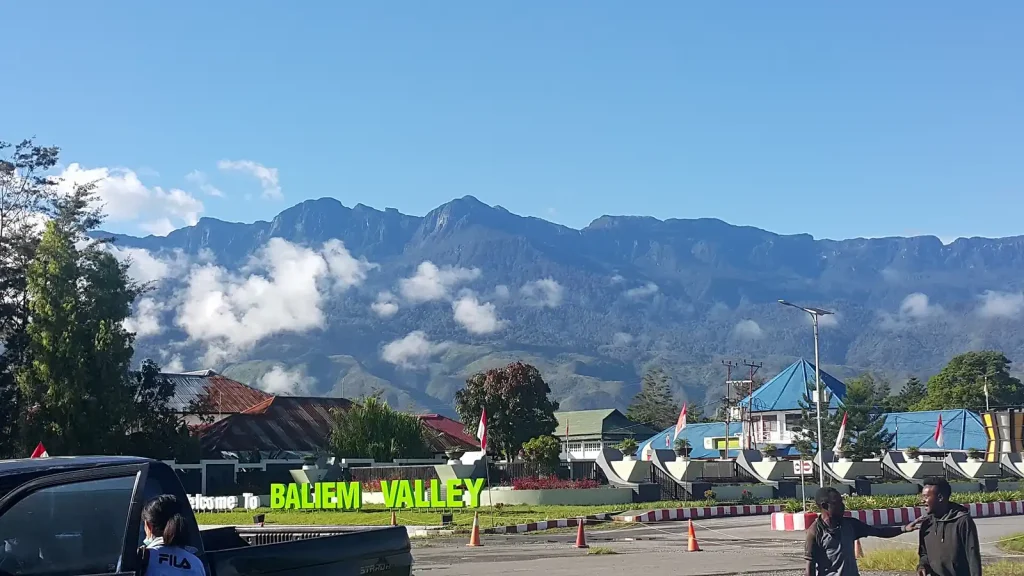
Accessibility to the Baliem Valley remains a defining characteristic. In 2027, as in previous years, the region is solely reachable by air, with Wamena Airport (WMX) serving as the primary entry point. Flights originate from Jayapura (DJJ), with established carriers such as WingsAir and TriganaAir maintaining regular services. This controlled access is not merely a logistical challenge but a crucial factor in preserving the valley’s cultural integrity. The journey itself becomes part of the experience, underscoring the remoteness and the unique nature of the destination. Wamena, the administrative and trading hub, with a population of 10,000–17,000, acts as the primary base for exploration, a small town where the rhythm of life is noticeably different from major Indonesian cities.
The Economic Realities of Remote Travel
Visiting the Baliem Valley requires an understanding of its economic realities, particularly regarding the cost of goods and services. Wamena’s remote location means that nearly all supplies must be transported to Jayapura, then trucked to Sentani, and finally flown into the valley. This intricate logistical chain significantly inflates prices for everyday items and services. For travellers in 2027, this translates into higher expenditure compared to other Indonesian destinations. For instance, a comprehensive Baliem Valley Cultural Festival package can still be expected to cost around Rp 16.2 million (approximately $1,000 USD) per person, reflecting the operational complexities and the specialised nature of the tourism offerings. When planning your trip, consider that bali customs clearance processes are entirely separate from the internal logistics of Papua, which has its own distinct set of challenges and costs.
Evolving Tourism Trends and Cultural Preservation
The tourism landscape of Baliem Valley has seen fluctuations. Foreign visitor numbers, which peaked at 6,000 in 1995 before declining to 1,000 in 2002, have stabilised in recent years, focusing on sustainable, culturally respectful engagement. The annual Baliem Valley Festival, typically held in August, remains a significant draw. In 2009, approximately 400 foreign tourists, predominantly from Europe and Japan, attended, making up 40% of the total festival attendance. In 2027, the festival continues to be a highlight, offering a rare opportunity to witness traditional Dani mock wars, pig feasts, and cultural performances. The optimal travel period to avoid heavy rains and coincide with the festival is between March and August, or extending to September for favourable weather.
Sustainable Engagement: A Priority for 2027
As an authority on Baliem Valley, we strongly advocate for sustainable and responsible tourism. Visitors in 2027 are encouraged to engage with local communities respectfully, understanding that their presence has an impact. This means supporting local guides and businesses, respecting local customs and traditions, and being mindful of environmental footprints. The Dani, Yali, and Lani peoples have maintained their distinct cultures for centuries, and responsible tourism ensures these traditions continue to thrive without undue external pressure. This approach not only enriches the visitor experience but also contributes directly to the welfare of the indigenous communities.
Planning Your 2027 Baliem Valley Expedition
Successful travel to Baliem Valley requires meticulous planning. Given the remote nature and specific cultural considerations, it is advisable to engage with reputable tour operators who specialise in the region. These operators can assist with permits, accommodation in Wamena, and arrangements for village visits. They also provide essential guidance on cultural etiquette, which is paramount for a respectful and rewarding experience. Understanding the local context, from the intricate social structures to the significance of traditional ceremonies, will undoubtedly deepen your appreciation for this extraordinary part of the world.
- Best time to visit: March to August (or September) for dry weather and the Baliem Valley Festival.
- Primary access: Flights to Wamena Airport (WMX) from Jayapura (DJJ).
- Cultural focus: Dani, Yali, and Lani traditions, including the annual festival.
- Accommodation: Primarily in Wamena, with basic guesthouses available in some villages.
- Local currency: Indonesian Rupiah (IDR). Cash is essential outside Wamena.
- Permits: Special permits are required for travel outside Wamena, usually arranged by tour operators.
| Aspect | Details |
|---|---|
| Population (Dani, Yali, Lani) | 100,000 – 400,000 |
| Valley Size | 70–80 km long, 15–20 km wide (1,272 sq km) |
| Altitude | 1,600–1,700 meters above sea level |
| Night Temperature | 10–15°C |
| Main Access Point | Wamena Airport (WMX) |
| Major Town | Wamena (Pop. 10,000–17,000) |
| Festival Month | August |
| Tourism Package Cost (Indicative) | ~Rp 16.2 million / $1,000 USD per person |
Q&A: Navigating Cultural Sensitivities in Baliem Valley
Q: What specific cultural etiquettes should visitors be aware of when interacting with the Dani people?
A: When visiting Dani villages, it is crucial to dress modestly, avoid public displays of affection, and always ask for permission before taking photographs of individuals, especially women and children. Offering a small gift or ‘salam’ (traditional offering) when entering a village can be appreciated. Respect for elders and local customs, such as not walking on sacred ground or touching traditional artefacts without permission, is paramount. Your guide will provide specific advice for each encounter.
Q&A: What are the best ways to support the local economy directly?
Q: What are the best ways to support the local economy directly when visiting Baliem Valley?
A: To directly support the local economy, consider hiring local guides and porters through registered community initiatives. Purchase handicrafts and souvenirs directly from the artisans in the villages rather than from larger shops in Wamena, ensuring the money goes directly to the producers. Eating at local warungs (small eateries) and staying in locally-owned guesthouses also contributes. Always ensure fair prices are paid, avoiding aggressive bargaining that might undervalue local craftsmanship and effort.