On this page
- 01Deconstructing the Highland Climate: Beyond “Wet” and “Dry”
- 02The Prime Window: May to September’s Allure
- 03August: The Cultural Apex at the Baliem Valley Festival
- 04The Shoulder Seasons: A Calculated Gamble (April, October, November)
- 05Navigating the Wet Season: For the Intrepid Few (December to March)
- 06Quick FAQ: Your Baliem Highlands Visit
- Optimal Weather: Expect minimal rainfall, clearer skies, and more stable trekking conditions on the valley’s extensive trail network.
- Comfortable Temperatures: Daytime temperatures average a pleasant 20-25°C (68-77°F), ideal for hiking, with cooler nights around 10-15°C (50-59°F).
- Cultural Peak: The renowned Baliem Valley Cultural Festival occurs in August, presenting an unparalleled opportunity for cultural immersion with the Dani, Lani, and Yali peoples.
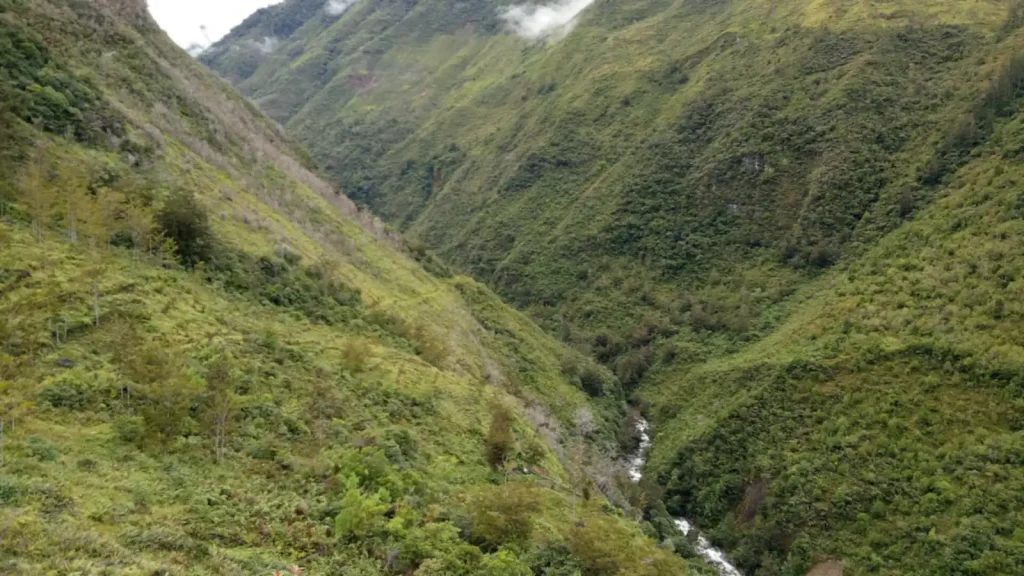
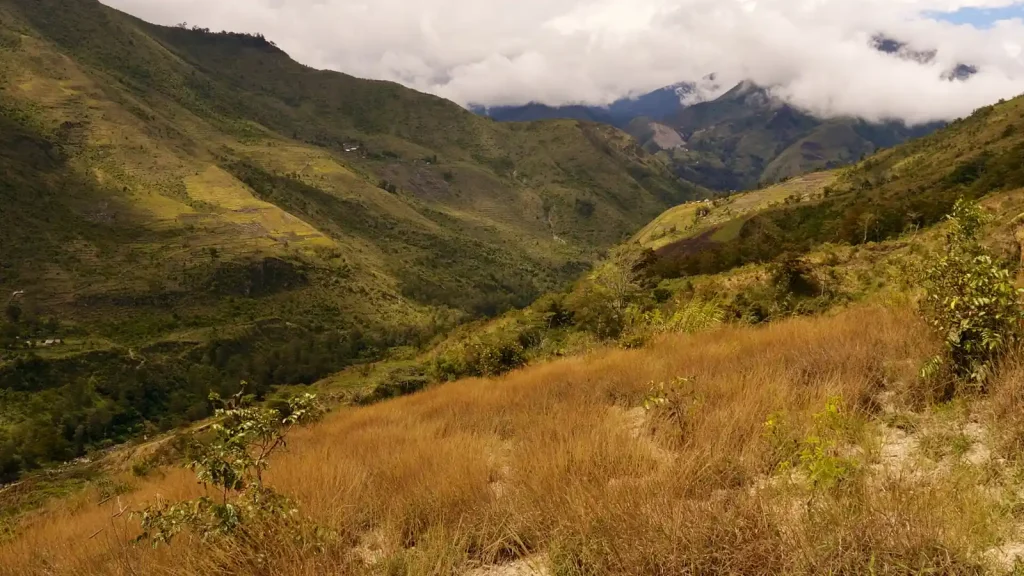
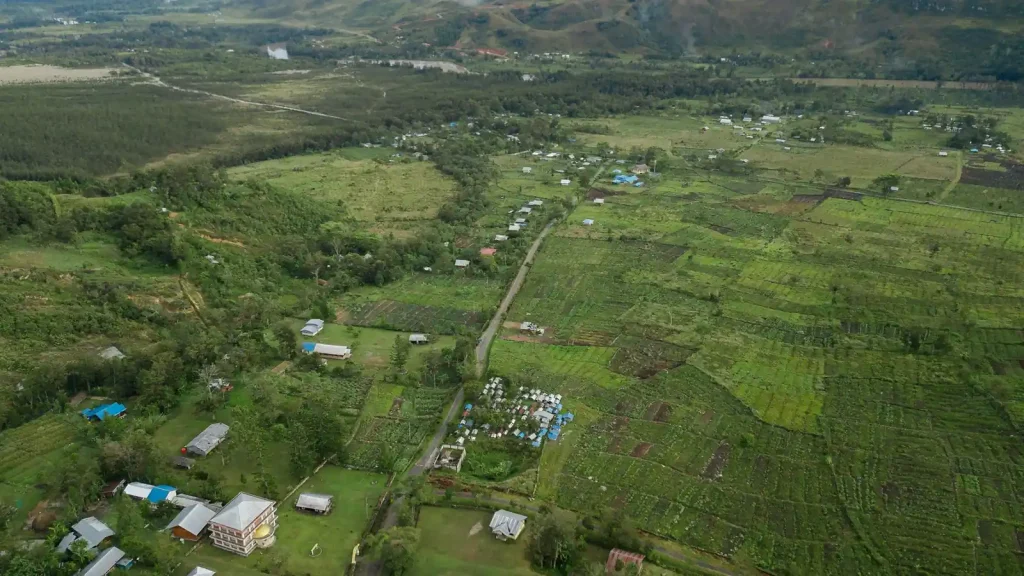
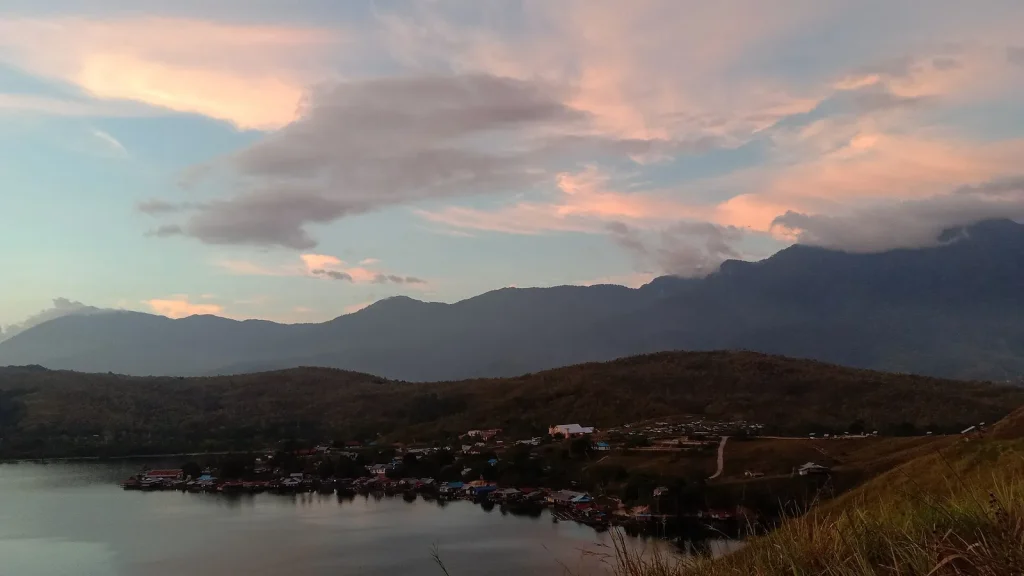
The air is thin, cool, and carries the scent of woodsmoke and damp earth. Below, the Baliem River, a silver artery, carves its way through a patchwork of sweet potato fields and scattered thatched-roof compounds, known as honai. From this vantage point on a limestone ridge, the sheer scale of the valley unfolds—a 72-kilometer-long testament to a culture that has existed in near-isolation for millennia. This is not a destination you simply arrive at; it is a world you enter, and timing that entry is the first critical step in a successful expedition. As a travel editor, I’m often asked for the single “best” time, but the truth, particularly in a place as complex as West Papua, is more nuanced. The ideal window to visit Baliem’s Highlands depends entirely on your personal definition of adventure—be it cultural pageantry, hardcore trekking, or solitary anthropological observation.
Deconstructing the Highland Climate: Beyond “Wet” and “Dry”
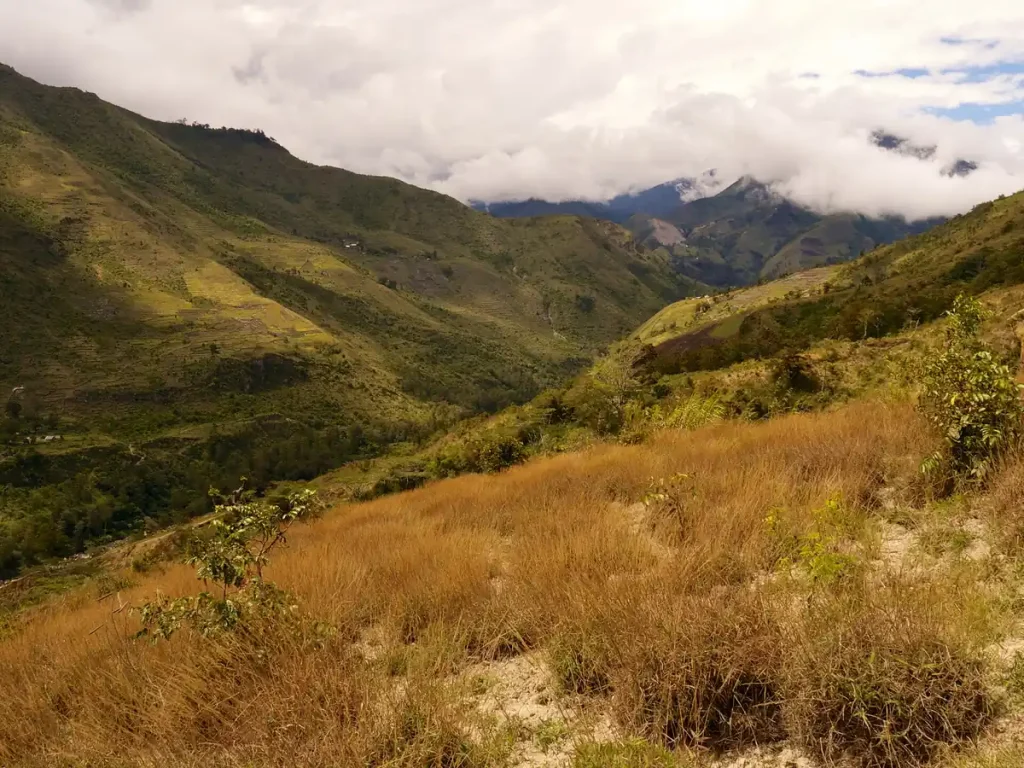
To understand the Baliem Valley’s seasons is to first understand its geography. This is not a coastal, tropical climate. Wamena, the valley’s main town and your point of entry, sits at an elevation of 1,600 meters (5,250 feet), with the surrounding Jayawijaya Mountains soaring to over 4,500 meters. This altitude dictates everything. The climate is classified as a tropical rainforest climate with highland influences, meaning temperatures are remarkably consistent year-round, but rainfall is the defining variable. The local Dani people don’t mark time with four seasons, but rather by the cycles of their gardens and the rhythm of the rains. The so-called “dry season” from May to September is a relative term; it still sees an average of 150-200mm of rainfall per month. Afternoon showers are common, but they are typically brief and intense, leaving behind crisp, clear air. Contrast this with the wet season, from December to March, when monthly rainfall can exceed 400mm, turning trails into impassable rivers of mud. The most significant climatic factor for any traveler is the diurnal temperature variation. A sun-drenched afternoon can feel like 25°C, but once the sun dips behind the peaks, temperatures can plummet to 10°C, requiring layers of fleece and a warm hat.
The Prime Window: May to September’s Allure
For the majority of travelers, especially those embarking on their first journey to this part of Papua, the dry season is unequivocally the time to go. The advantages are logistical, experiential, and aesthetic. Trekking, the primary reason most make the pilgrimage here, is at its safest and most rewarding. The trails are more stable, the risk of landslides is significantly lower, and crucial river crossings are more manageable. My long-time contact in Wamena, a seasoned expedition leader named Pak Elias, refuses to guide multi-day southern valley treks outside of this five-month window. “The rivers are the bosses here,” he told me over a crackling radio line. “In the wet season, they can rise two meters in an hour. It is not a risk we take.” From a practical standpoint, flights into Wamena Airport (WMX) from Jayapura experience fewer weather-related delays. Airlines like Trigana Air, which operate the vital 40-minute flight, have a better on-time performance record during these months. For photographers, the quality of light is superior, with dramatic cloud formations building in the afternoon against piercing blue skies, offering incredible views of the Trikora Massif. This period provides the most reliable and comfortable conditions for a comprehensive Bali Em Valley experience.
August: The Cultural Apex at the Baliem Valley Festival
If your visit is motivated by a desire to witness a powerful display of local culture, then all planning must revolve around a single event: the Baliem Valley Cultural Festival. Typically held over three days in the second week of August, this spectacle is one of Indonesia’s most unique cultural gatherings. Established in 1989, the festival brings together dozens of tribes from across the highlands—primarily the Dani, Lani, and Yali—to showcase their traditions. The centerpiece is the mock battle, a visceral and theatrical performance where hundreds of warriors, adorned in elaborate regalia like boar tusks and cassowary feathers, reenact historical conflicts. The air fills with rhythmic chants and the sounds of the pikon, a traditional mouth harp. According to Indonesia’s official tourism portal, the event was created to sublimate inter-tribal tensions into a peaceful celebration. Visiting during the festival requires meticulous advance planning. Accommodation in Wamena, which is already limited, must be booked at least six to nine months prior. Prices for guides, transport, and lodging can easily increase by 30-50%. While it presents a concentrated, almost overwhelming, dose of Papuan culture, it is an unforgettable experience that places you at the epicenter of the highland’s living history.
The Shoulder Seasons: A Calculated Gamble (April, October, November)
For the returning visitor or the more intrepid traveler willing to trade predictability for solitude, the shoulder months offer a compelling alternative. In April, the landscape is intensely verdant and bursting with life as the heavy rains recede. In October and November, the tourist numbers have dwindled, but the weather has not yet fully turned. The primary benefit of traveling during this time is the reduction in crowds. You are more likely to have trails and villages to yourself, allowing for more intimate and unscripted interactions. Without the demands of the peak season, local guides often have more time and flexibility. It’s a superb time for shorter, less committing excursions from Wamena, such as visiting the ancient smoked mummy at Jiwika or trekking to the traditional salt wells in Wosilimo. However, this period demands flexibility. A planned four-day trek might be cut short by a sudden deluge. You must be prepared for muddy conditions and have high-quality waterproof gear. I once spent an extra two days in a southern valley village in late October, waiting for a river to subside. It was an inconvenience, but it also led to an unexpected invitation to a family feast—a trade-off many seasoned travelers would gladly accept. This is the time to visit Baliem’s Highlands if you value authenticity over a fixed itinerary.
Navigating the Wet Season: For the Intrepid Few (December to March)
Let me be clear: planning a trip to the Baliem Valley between December and March is an expert-level endeavor. This is the heart of the monsoon season, a period of relentless daily downpours, swollen rivers, and pervasive mist that can shroud the landscape for days. Most trekking routes, particularly those involving technical ascents or multiple river crossings, become unsafe. The risk of landslides is a serious concern, and local infrastructure can be compromised. Yet, for a very specific type of traveler—the anthropologist, the serious ethnographer, or the professional photographer seeking moody, dramatic imagery—this season holds a certain raw appeal. This is the season of the hearth. Village life contracts and turns inward: days spent inside the honai, telling stories and repairing tools. It is a period of intense social bonding that a short-term visitor will rarely be admitted to, and it is also the valley’s truest rhythm. Anyone contemplating a wet-season journey must engage a top-tier local operator, carry satellite communication devices, and have a budget that can accommodate last-minute changes, such as chartering a private flight if commercial services are grounded. This is not a casual vacation; it is a serious expedition into one of the world’s most challenging environments.
Quick FAQ: Your Baliem Highlands Visit
How long do I need to visit Baliem’s Highlands?
A minimum of five days is essential. This accounts for a travel day to reach Wamena from Jayapura, a day to acclimatize to the 1,600-meter altitude, two full days for exploration (trekking or village visits), and a departure day. For those wishing to undertake a more extensive trek, such as the 5-day southern valley loop, or to attend the August festival, a 7 to 10-day itinerary is far more realistic and rewarding.
Is a travel permit (Surat Jalan) still required?
As of the latest updates, the formal Surat Jalan police permit is no longer mandatory for tourists visiting Wamena and the main Baliem Valley area. This has simplified travel significantly. However, Papua’s administrative regulations are subject to change without notice. It is always prudent to confirm the current requirements with your tour operator or the nearest Indonesian consulate 1-2 months before your planned departure. As the region’s administrative status can be fluid, professional guidance is key.
What is a realistic budget for a trip?
The Baliem Valley is not a budget destination due to its remote logistics. A high-quality, all-inclusive guided trip, which is the recommended way to travel, can range from $400 to $700 USD per person per day. This cost typically covers the round-trip flight from Jayapura to Wamena (approx. $150-250), a private guide, a cook, porters for treks, all meals, accommodation (which can be basic), and village entry or ceremony fees. These fees are essential for supporting the local communities you visit.
How do I get to the Baliem Valley?
The sole entry point is Wamena Airport (WMX). There are no roads connecting the highlands to the coast. All visitors must first fly to Jayapura’s Sentani Airport (DJJ), which has connections to major Indonesian hubs like Jakarta (CGK) and Denpasar (DPS). From Jayapura, several daily flights make the 40-minute journey to Wamena. Booking these internal Papuan flights well in advance, especially during the peak season of July and August, is critical.
Ultimately, the “best” time to visit is a personal calculation, weighing the vibrant energy of the August festival against the quiet solitude of the shoulder seasons. The dry months from May to September offer a foundation of stability upon which to build an extraordinary adventure. It’s a period that guarantees access, minimizes risk, and provides the classic, sweeping vistas that first draw us to these remote corners of the map. For those ready to craft their own journey into the heart of Papua, our specialists at the Bali Em Valley Highlands Society are on hand to design an itinerary tailored to the perfect season for your unique travel aspirations.
Updated July 4, 2026