On this page
- Logistics & Flights: Includes round-trip flights from Jayapura to Wamena and all ground transport.
- Private Guiding: Covers expert local guides, a dedicated cook, and a team of porters.
- Curated Experiences: Encompasses pre-arranged private cultural ceremonies and exclusive village access.
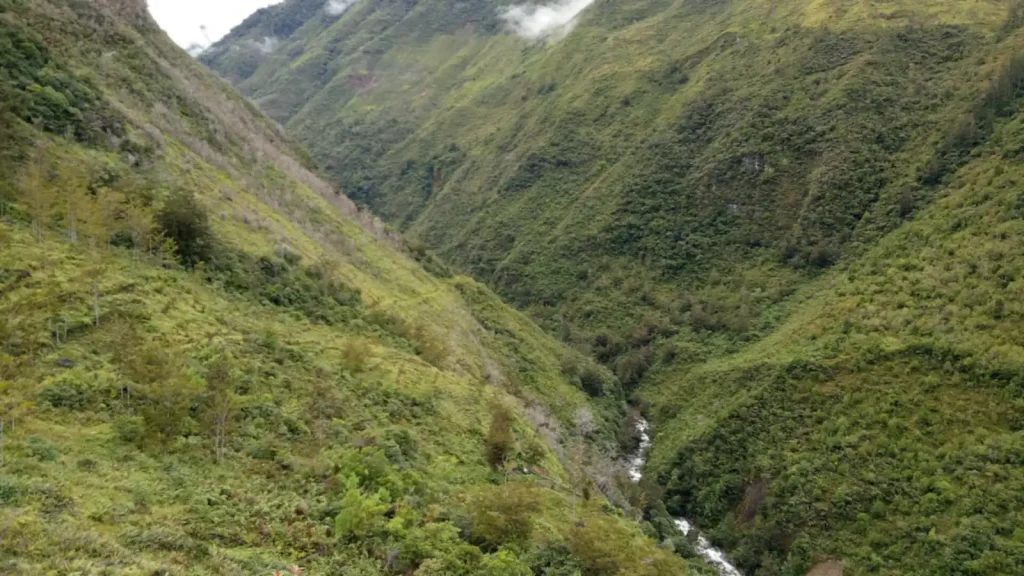
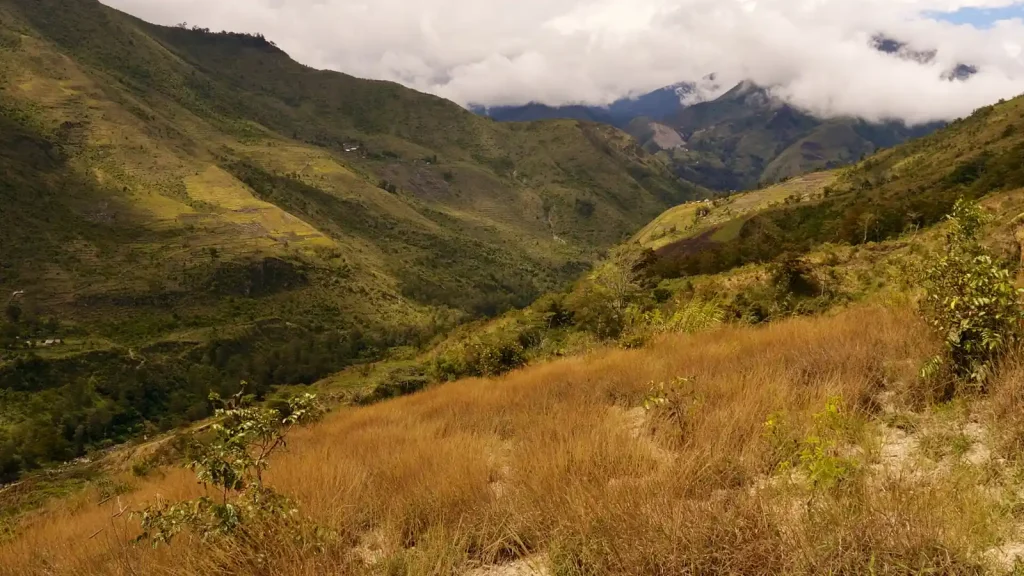
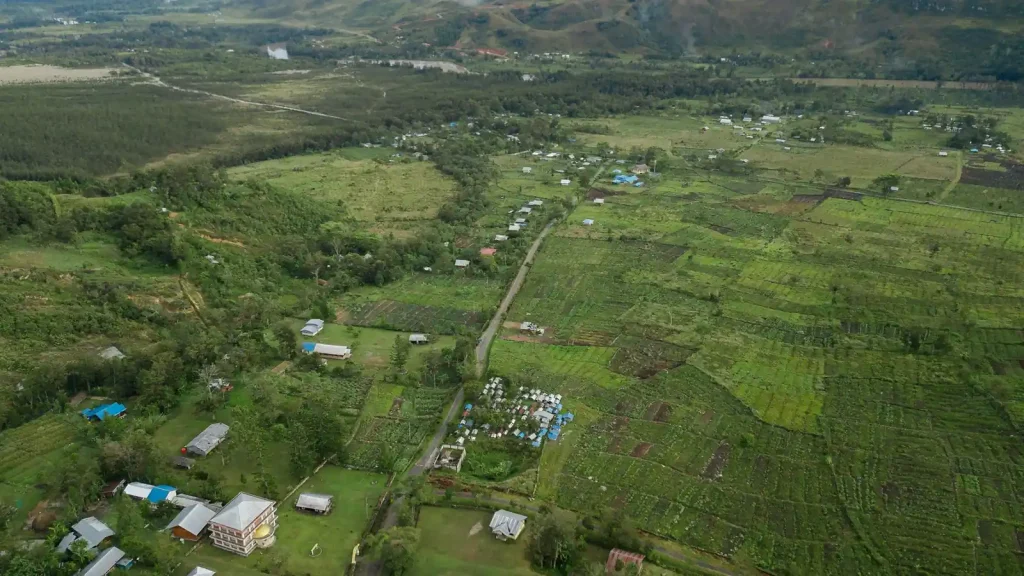
The air in Wamena is thin, carrying the scent of woodsmoke and damp earth from the morning rain. It’s a cool 18 degrees Celsius, a sharp contrast to the coastal heat of Jayapura left behind just 45 minutes ago by chartered prop plane. Below, the patchwork of sweet potato fields, neatly defined by stone fences, stretches between the steep, cloud-shrouded walls of the valley. This is not a journey you simply book online; it is an expedition, a meticulously orchestrated venture into one of Earth’s last truly enigmatic cultures. And for the discerning traveler, understanding the investment required is the first step in unlocking its profound rewards. A proper bali em valley trip, executed with precision and comfort, carries a price tag commensurate with its exclusivity. This is our definitive guide to budgeting for that journey in 2024.
The Anatomy of a High-End Baliem Valley Itinerary
When we discuss a luxury “baliem valley papua trip,” we are moving beyond the backpacker trail of shared homestays and public transport. The price differential, often a factor of 10, is rooted in three pillars: access, comfort, and exclusivity. A standard tour might cost $1,500, but it involves significant compromises—shared guides, uncertain lodging, and a reliance on serendipity for cultural encounters. A high-end itinerary, typically spanning 7 to 9 days, is a different proposition entirely. The core cost, averaging around $9,500 per person, is for a privately chartered experience. This means you are not joining a group; the expedition is built around your schedule and interests. Your ground team, from the lead guide to the cook, works exclusively for you. This allows for unparalleled flexibility—the ability to linger in a village that captivates you or to pivot the day’s trek based on weather or a sudden local ceremony.
According to our long-time Papua fixer, Jonathan Ansell, a 25-year veteran in the region, “The luxury is in the seamless logistics. It’s about having the best vehicle waiting, the permits cleared before you land, and a guide who can negotiate access to a pig feast that wasn’t on any tourist schedule.” This curated approach means that every component is pre-vetted and pre-paid. The price includes not just the tangible elements like flights and lodging, but the intangible value of deep local connections. It covers the arrangement of a private mock battle with Dani warriors, a spectacle that can cost upwards of $1,500 to stage authentically, and ensures the village elders are fairly compensated. It also means your cook is preparing meals with ingredients flown into Wamena, catering to dietary needs in a region where such services are otherwise nonexistent. This is the foundation of a truly exceptional journey into Papua’s Highland Trekking world.
Charter Flights & Logistics: The Price of Remote Access
The single greatest line item on any Baliem Valley budget is transportation. The valley, situated at an altitude of 1,600 meters, is accessible only by air. The gateway is Wamena Airport (WMX), a small, bustling highland airstrip. Commercial flights from Jayapura’s Sentani Airport (DJJ) are operated by carriers like Trigana Air and Wings Air. While a round-trip ticket on these scheduled flights can be secured for approximately $300-$450, they are notoriously prone to delays and cancellations due to the volatile mountain weather. For a luxury itinerary where timing is critical, this unreliability is an unacceptable risk. This is why high-end operators almost exclusively use private charter flights. Companies like Mission Aviation Fellowship (MAF) or local charter services can be hired for direct flights.
A private charter on a Cessna Grand Caravan, which seats up to 9 passengers, can cost between $5,000 and $8,000 for the 45-minute round trip from Jayapura. While a significant expense, it provides schedule certainty and the ability to carry specialized gear and provisions. Once in Wamena, ground transport is another critical cost. There are no taxis or ride-sharing apps. All movement is via rugged 4×4 vehicles, essential for navigating the valley’s often-unpaved roads. A private vehicle with a driver costs approximately $150-$200 per day. For a week-long trip, this amounts to over $1,000. These logistical costs—the flight to enter the valley and the vehicle to explore it—can easily account for 40-50% of the total trip budget before a single guide is hired or a village fee is paid. This is the non-negotiable price of entry for any well-planned “baliem valley papua trip.”
Accommodation: From Rustic Lodges to Private Camps
Lodging in the Baliem Valley operates on a spectrum, but the top end is defined by a single property and the bespoke services of tour operators. The pinnacle of fixed accommodation is the Baliem Valley Resort. Located about 30 minutes outside Wamena, this German-run establishment offers bungalow-style rooms with en-suite bathrooms, hot water, and electricity—amenities that are the height of luxury in this region. A night here can cost between $350 and $500 per person, including meals. While it provides a comfortable base, the most immersive luxury experiences often involve moving deeper into the valley. For this, operators create private, mobile camps. This is a far cry from a simple tent. A private camp setup involves a team of porters carrying high-quality tents, comfortable bedding, a dedicated kitchen tent, and even a private toilet tent.
The cost of mounting such a temporary camp for two people for three nights can exceed $2,500. This fee covers the wages for the 5-10 porters required, the specialized equipment, and a private cook who can prepare multi-course meals in the middle of the wilderness. For travelers who prefer a solid roof, a handful of guesthouses in Wamena, such as the Baliem Pilamo Hotel, offer the best available rooms in town for around $100-$150 per night. However, a high-end operator will often pre-book the best rooms months in advance and supplement the experience with their own linens, water filtration systems, and provisions. The choice is between the established comfort of the resort or the adventurous exclusivity of a private camp, both of which are central to planning your Baliem Valley journey.
Guides, Porters, and Curated Cultural Encounters
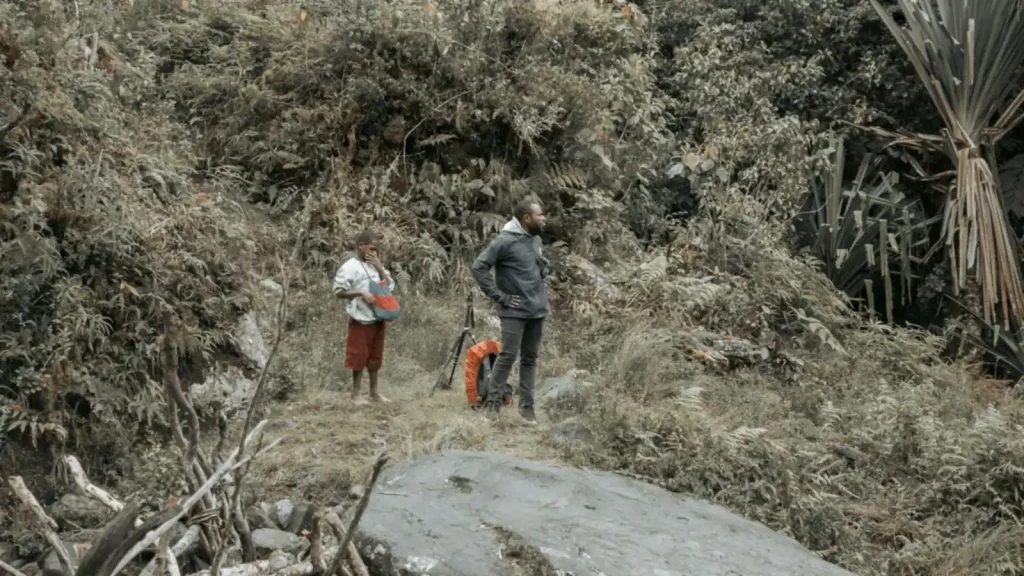
The human element is what transforms a scenic trek into a profound cultural immersion, and this is where a significant portion of a luxury budget is allocated. A top-tier local guide—one who speaks fluent English, has intimate relationships with village elders, and understands the nuances of Western expectations—commands a fee of $120 to $200 per day. This is more than double the rate of a standard guide. This premium secures an interpreter not just of language, but of culture. They can explain the significance of the sacred Noken bags carried by the women or the history behind a particular clan’s markings. For any multi-day trek away from the road, a support team is essential. Porters, who carry all equipment and supplies, are paid around $35 per day, and a skilled cook will cost $50-$70 per day. A typical 4-day trek for two clients might require one guide, one cook, and four porters, totaling over $1,200 in wages alone.
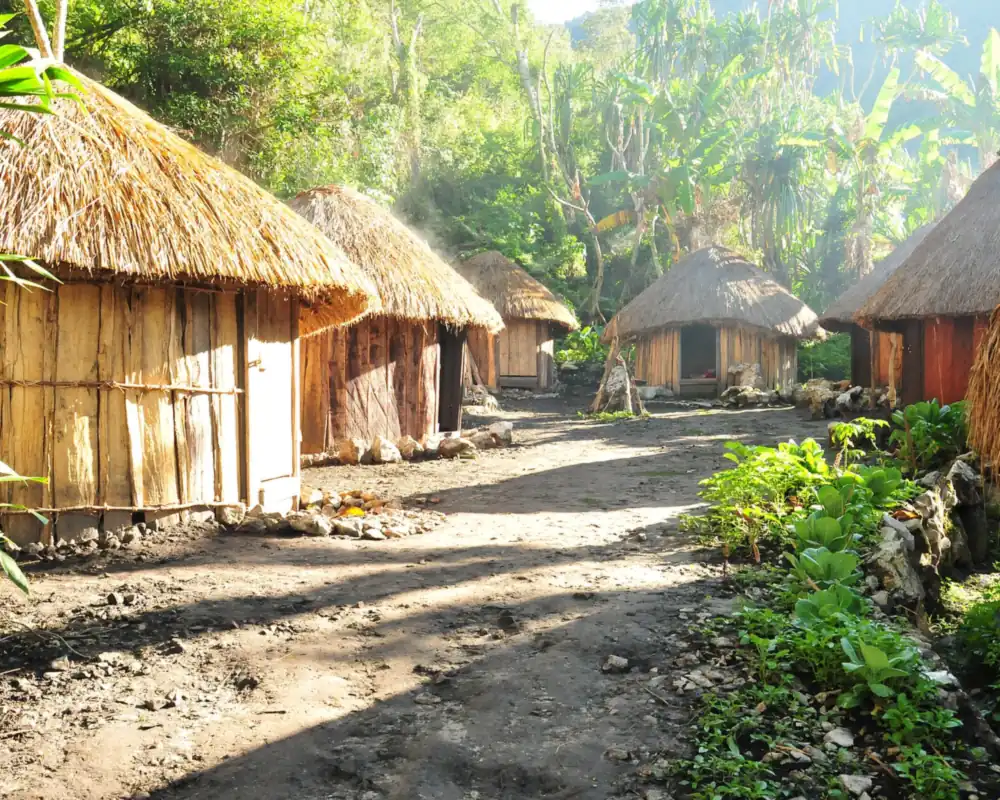
The most significant cultural expense is arranging private ceremonies. While it’s possible to witness public market days, a private, staged event offers unparalleled insight and photographic opportunities. A “mock battle” between Dani warrior clans, complete with traditional attire and weapons, is a powerful spectacle. Organizing this requires negotiating with two villages and compensating dozens of participants; the cost starts at $1,500. The ultimate cultural experience is the pig feast, a central part of Dani society. A full-day ceremony, involving the ritualistic killing of a pig and cooking it in an earth oven with hot stones, is a complex and expensive affair. Securing a pig (a sign of wealth) and compensating the host family and village can cost anywhere from $2,000 to $3,500. These are not tourist shows, but authentic rituals performed for a specific purpose, to which you are invited as honored guests—a privilege reflected in the price.
Permits, Fees, and Essential Bureaucracy
Navigating the administrative requirements for visiting Papua’s interior is a crucial, often overlooked, aspect of trip planning. Every foreign visitor to the Baliem Valley must possess a *Surat Keterangan Jalan*, or travel permit. While the Indonesian government’s official tourism portal, indonesia.travel, notes a general easing of travel restrictions, this specific permit remains a requirement for the highlands. The permit itself is technically free or subject to a nominal administrative fee (around $10), but the real value provided by a luxury operator is having it processed for you. Their local staff will handle the paperwork, passport copies, and visits to the police station in Jayapura or Wamena, saving you at least half a day of valuable time and bureaucratic frustration. This service is bundled into the overall package cost.
Beyond the main travel permit, a web of smaller, informal fees governs movement throughout the valley. Nearly every village you enter will request a contribution, typically ranging from $10 to $50. Crossing certain bridges or accessing specific viewpoints like the salt wells at Jiwika may also require a small payment to the local landowners. Photography is another area where costs accumulate. While casual snaps are usually fine, taking portraits, especially of elders in traditional attire like the *koteka* (penis gourd), requires a direct payment. This can range from $1 to $5 per person, per photograph. On a photography-focused trip, these fees can easily add up to $200-$300. A high-end tour operator handles all of these transactions seamlessly. Your guide will have a float of cash specifically for this purpose, ensuring smooth passage and respectful interactions without the traveler needing to constantly negotiate or open their wallet. It’s a critical component of a stress-free “baliem valley papua trip.”
Quick FAQ
Is the Baliem Valley safe for luxury travelers?
Yes, when traveling with a reputable and experienced operator. The primary risks are logistical, not criminal. A top-tier outfitter manages these risks through meticulous planning, reliable vehicles, experienced guides who understand local customs and tensions, and often, satellite phone communication. They ensure your safety and security, which is a core part of the premium price.
What is the best time of year to visit for optimal conditions?
The most favorable time is during the drier season, which typically runs from April to September. During these months, there is less rainfall, making trekking trails less muddy and increasing the likelihood of clear skies for flights. That said, mountain weather is always unpredictable, and rain can occur at any time. The annual Baliem Valley Festival, a major cultural event, takes place every August.
Can I use credit cards or ATMs in the Baliem Valley?
No. The Baliem Valley operates almost entirely on a cash economy. There are no reliable ATMs in Wamena that accept foreign cards, and credit cards are not accepted anywhere, including hotels. All funds for your entire stay must be brought in Indonesian Rupiah (IDR). A luxury tour package is all-inclusive, meaning your operator handles all payments on the ground, so you only need cash for personal souvenirs or extra tips.
What is the single biggest “hidden” cost in a Baliem Valley trip?
The cost of flexibility. While not “hidden” in a luxury package, the ability to change plans due to weather or opportunity is a massive, built-in expense. If a flight is cancelled, a high-end operator has the funds and connections to charter a new one. If a unique ceremony is happening two valleys over, they have the resources to get you there. This logistical agility is perhaps the most valuable, and expensive, component of the entire trip.
A journey to this part of Papua is an investment in a world that is rapidly vanishing. It is a commitment to engaging with a culture on its own terms, facilitated by experts who ensure the exchange is respectful, comfortable, and deeply memorable. The price reflects not just a vacation, but a true expedition managed with the highest level of professional care. To begin crafting your own bespoke journey, explore the possibilities with the foremost experts in a bali em valley experience.
Updated July 4, 2026